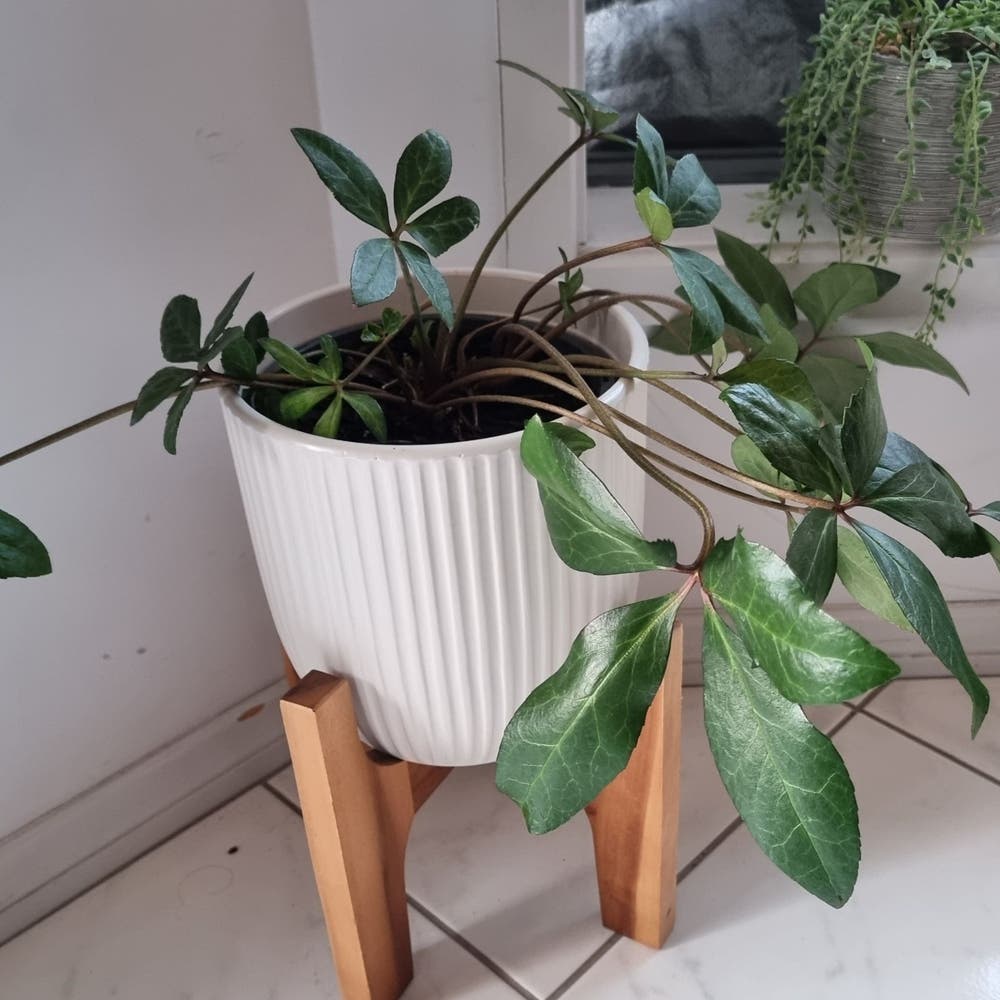
🐛 What's Eating Your Lenten Rose
Helleborus orientalis
By the Greg Editorial Team
Oct 15, 2024•6 min read
This article was created with the help of AI so we can cover more plants for you. May contain errors. See one? Report it here.
Safeguard your Lenten Rose from herbivores while inviting beneficial wildlife for a flourishing garden! 🌼
- 🦌 Lenten Rose faces threats from deer, rabbits, squirrels, and more.
- 🚫 Effective repellents and fencing can protect your Lenten Rose from herbivores.
- 🌼 Beneficial insects like bees enhance pollination, boosting Lenten Rose health.
Common Herbivores Affecting Lenten Rose
🦌 Deer
Signs of presence and damage
Look for hoof prints in muddy areas, which indicate deer activity. You may also notice irregularly torn leaves and flowers, a clear sign of their browsing habits.
Impact on Lenten Rose
Deer can be particularly harmful, often severely damaging or even killing young plants. Their appetite for tender foliage can lead to significant losses in your garden.
Deterrent methods
To keep deer at bay, consider using commercial deer repellents. Alternatively, planting strong-smelling herbs nearby can serve as an organic deterrent.
🐇 Rabbits
Signs of presence and damage
Rabbits leave small, round droppings and often nibble the edges of leaves. You might also see clean cuts on stems, indicating their precise feeding style.
Impact on Lenten Rose
These furry pests can decimate young plants and flowers, making them a serious threat to your Lenten Rose. Their voracious appetite can quickly turn your garden into a buffet.
Deterrent methods
Rabbit repellents available at garden centers can be effective. For a more organic approach, consider fencing that’s 2-3 feet high or using predator scents to deter them.
🐿️ Squirrels
Signs of presence and damage
Look for small paw prints and chewed stems, which signal squirrel activity. Bark stripping and digging around roots are also common signs of their presence.
Impact on Lenten Rose
Squirrels can weaken plants and disrupt root systems, leading to long-term damage. Their antics can leave your Lenten Rose struggling to thrive.
Deterrent methods
Squirrel repellents can help keep these critters away. Installing motion-activated sprinklers or using cayenne pepper are effective organic methods to deter them.
🐦 Birds
Signs of presence and damage
Feathers and droppings around your plants can indicate bird activity. You may also notice pecks on flowers and seeds, which can be damaging.
Impact on Lenten Rose
While birds can be beneficial for pollination and seed dispersal, they can also harm flowers. Striking a balance is essential for a healthy garden.
Deterrent methods
Bird-safe repellents can help protect your plants. Additionally, using netting over flowers or reflective objects can deter birds effectively.
🐭 Rodents (Mice, Voles)
Signs of presence and damage
Small, round droppings and burrowing near roots are signs of rodent activity. You may also find gnawed stems and roots, indicating damage.
Impact on Lenten Rose
Rodents can cause significant root damage, jeopardizing the health of your plants. Their underground activities can lead to serious issues.
Deterrent methods
Rodent repellents are available for those looking for chemical solutions. For an organic approach, consider traps and planting deterrent plants nearby.
🦡 Groundhogs/Woodchucks
Signs of presence and damage
Look for large paw prints and burrows near your plants. Chewed stems and leaves, often with clean cuts, are clear indicators of their presence.
Impact on Lenten Rose
Groundhogs can be particularly destructive, capable of completely destroying plants in a short time. Their appetite poses a significant threat to your garden.
Deterrent methods
Commercial groundhog repellents can be effective, but they may require more effort. Fencing that’s 3-4 feet high and using castor oil are organic methods worth trying.
This overview of common herbivores affecting Lenten Rose highlights the importance of vigilance in your garden. By understanding the signs and implementing effective deterrent methods, you can protect your plants and ensure a thriving garden ecosystem. Next, we’ll explore the beneficial animals that can enhance your Lenten Rose's growth and health.
Beneficial Animals Attracted to Lenten Rose
Types of Beneficial Animals 🐝
Lenten Rose isn't just a feast for herbivores; it also attracts a variety of beneficial animals.
Pollinators like bees and butterflies are drawn to its flowers, playing a crucial role in the ecosystem.
Predatory insects, such as ladybugs and lacewings, help keep pest populations in check, ensuring your garden thrives.
Positive Impacts on the Garden Ecosystem 🌼
The presence of these beneficial animals leads to enhanced pollination, which results in better seed production.
Additionally, natural pest control reduces the need for chemical interventions, promoting a healthier garden environment.
By fostering a diverse ecosystem, Lenten Rose not only beautifies your garden but also supports its overall health and productivity.
As you cultivate your Lenten Rose, remember that these allies are essential for a flourishing garden.
Next, let’s explore some general protection strategies to keep your Lenten Rose safe from herbivores.
General Protection Strategies for Lenten Rose
🛡️ Preventive Measures for Protecting Lenten Rose
To safeguard your Lenten Rose, consider strategic plant placement. Position these beauties in less accessible areas of your garden to deter curious herbivores.
Another effective tactic is companion planting. Surround your Lenten Rose with plants that naturally repel herbivores, creating a protective barrier.
⚠️ Reactive Solutions for Managing Animal Interactions
Regular monitoring is crucial. Keep an eye out for signs of damage, as early detection can save your plants from severe harm.
When you notice any herbivore activity, take immediate action. Quick responses can mitigate damage and protect your Lenten Rose from further threats.
🌱 Seasonal Variations in Animal Attraction to Lenten Rose
Be aware that herbivore activity tends to spike in spring. This is when young shoots emerge, making your Lenten Rose particularly appealing to hungry animals.
Additionally, consider the seasonal migration patterns of birds and rodents. These movements can significantly affect how your plants interact with local wildlife throughout the year.
By implementing these strategies, you can create a thriving environment for your Lenten Rose while minimizing damage from herbivores. Next, let’s explore the toxicity and ecological role of this fascinating plant.
Toxicity and Ecological Role of Lenten Rose
🐾 Toxic Effects of Lenten Rose on Animals
Lenten Rose contains compounds like helleborin, which serve as a natural deterrent to some herbivores. When consumed in large quantities, these substances can cause gastrointestinal distress in animals, making them think twice before munching on this plant.
🌱 Ecological Role of Lenten Rose in Local Environments
Beyond its toxicity, Lenten Rose plays a vital role in enhancing biodiversity. It provides habitat and food for various species, contributing to a balanced ecosystem.
Contribution to Soil Health
Lenten Rose also improves soil health by enhancing soil structure and nutrient cycling through its leaf litter. This natural process supports a thriving garden environment, benefiting both plants and wildlife alike.
In summary, while Lenten Rose may deter some animals with its toxicity, it simultaneously enriches the ecosystem, making it a valuable addition to any garden. Next, we’ll explore general protection strategies to keep your Lenten Rose thriving amidst potential threats.
⚠️ Safety First
This content is for general information and may contain errors, omissions, or outdated details. It is not medical, veterinary advice, or an endorsement of therapeutic claims.
Always consult a qualified healthcare professional before using any plant as food, medicine, or supplement.
Never eat any plant (or feed one to pets) without confirming its identity with at least two trusted sources.
If you suspect poisoning, call Poison Control (800) 222-1222, the Pet Poison Helpline (800) 213-6680, or your local emergency service immediately.
Spotted an error? Please report it here.
Safeguard your Lenten Rose from pesky herbivores 🦌 with Greg's personalized tips and reminders, ensuring your garden flourishes beautifully!