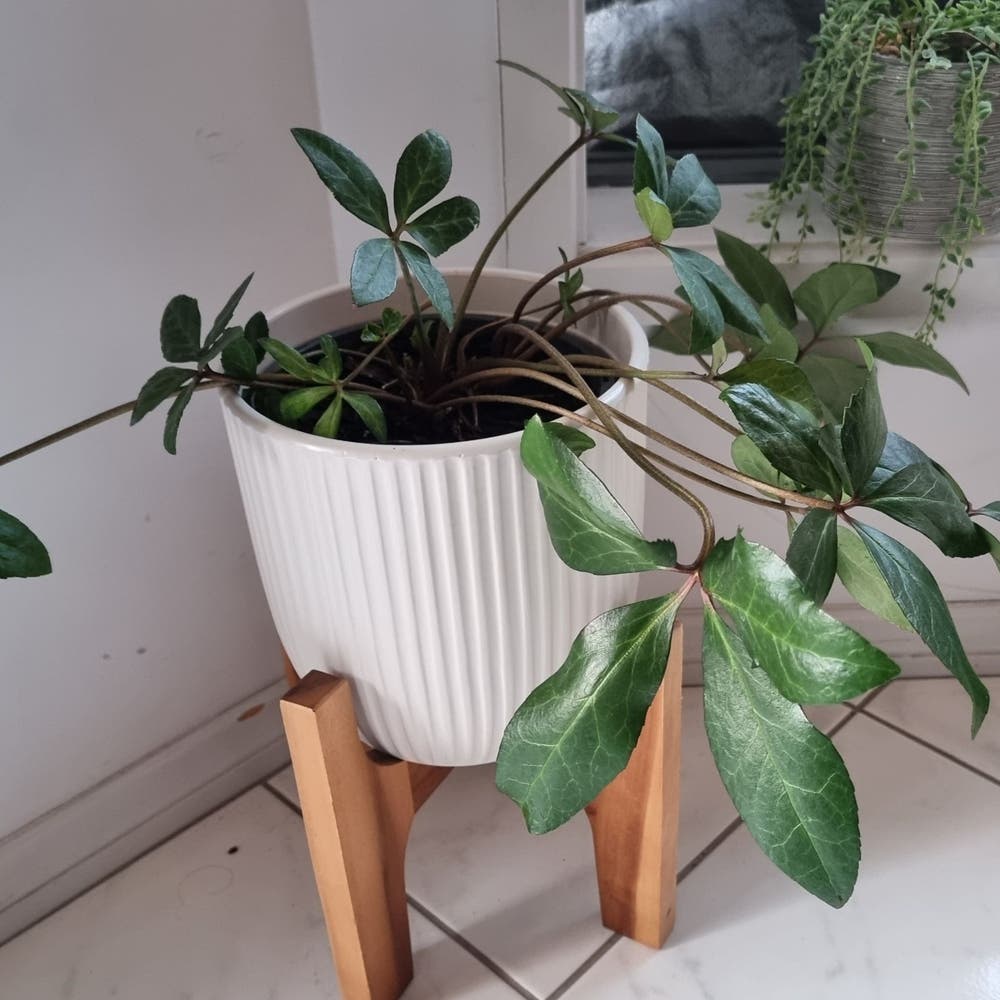
🌈 Most Colorful Varieties of Purple Hellebore
Helleborus orientalis
By the Greg Editorial Team
Oct 19, 2024•5 min read
This article was created with the help of AI so we can cover more plants for you. May contain errors. See one? Report it here.
Elevate your garden's beauty with vibrant purple hellebores 🌸 that thrive in every season and captivate all year round! 🌿
- 🌈 Explore vibrant colors in purple hellebores, from deep purples to soft lavenders.
- 🌿 Hybrid varieties offer larger blooms and better disease resistance for thriving gardens.
- 🎨 Create stunning contrasts by pairing dark and light hellebores for visual appeal.
Popular Cultivars
'Winter Jewels' Series 🌸
The 'Winter Jewels' series is a stunning collection of purple hellebores, showcasing a vibrant range of colors. You can find deep purples, soft lavenders, and even unique patterns that make each bloom a visual delight.
These flowers feature nodding blooms with intricate petal shapes, adding elegance to any garden. Typically, they grow to an average height of 12-18 inches, making them perfect for both borders and containers.
Some variants in this series exhibit evergreen characteristics, providing year-round interest. This makes them an excellent choice for gardeners looking to maintain color even in the colder months.
'Black Diamond' 💎
Next up is the 'Black Diamond,' known for its distinctive dark purple to almost black flowers. This cultivar stands out not just for its color but also for its unique care requirements.
It thrives in well-drained soil and prefers partial shade, making it ideal for those tricky spots in your garden. Expect blooms from late winter to early spring, adding a dramatic touch to your landscape.
'Penny's Pink' 🌷
If you're looking for something softer, 'Penny's Pink' is a delightful option. Its soft pink flowers, with a hint of lavender, create a gentle contrast against darker blooms.
Typically, this cultivar grows to about 12-15 inches tall, making it a lovely addition to any garden bed. Its semi-evergreen foliage ensures that it remains visually appealing throughout the year.
These popular cultivars each bring their unique flair to the garden, making them favorites among hellebore enthusiasts. As we explore hybrid varieties next, you'll see how these traits can be enhanced even further.
Hybrid Varieties
🌈 Notable Hybrids
Hybrid purple hellebores are a gardener's dream, combining the best traits from different species. These hybrids often showcase improved characteristics, such as vibrant colors and larger blooms, making them a standout in any garden.
One popular hybrid is the 'Helleborus x hybridus,' known for its stunning array of colors. This variety can feature deep purples, soft pinks, and even speckled patterns, offering a visual feast for the eyes.
Another noteworthy hybrid is 'Helleborus 'Pine Knot Strain.' This cultivar is celebrated for its robust growth and large, showy flowers. Its blooms can reach impressive sizes, making it a focal point in garden beds.
Hybrids not only enhance color variations but also improve resilience. Many hybrids are bred for better disease resistance and adaptability to various growing conditions, ensuring they thrive in your garden.
When selecting hybrids, consider their unique features and how they fit into your overall garden design. Mixing different hybrids can create a dynamic display, showcasing a spectrum of colors and shapes.
Incorporating these hybrids into your garden can elevate its aesthetic appeal. Their vibrant blooms and varied characteristics make them an exciting choice for both novice and experienced gardeners.
As you explore the world of hybrid purple hellebores, keep in mind their care requirements. Understanding their needs will help you cultivate a thriving garden that bursts with color and life.
Next, let’s delve into the rare varieties of purple hellebore, where unique traits and specific care requirements await discovery.
Rare Varieties
🌟 Description of Rare Cultivars
Rare purple hellebores are a treasure for any garden enthusiast. These unique cultivars often showcase extraordinary traits that set them apart from more common varieties.
One standout is the 'Blue Lady', known for its striking blue-purple blooms. Another is the 'Golden Sunrise', which features unusual yellowish blooms that can surprise and delight.
🌱 Specific Care Requirements for Rare Varieties
Caring for rare hellebores can be a bit more challenging, but the rewards are worth it.
Soil Type: They thrive in well-drained, rich soil. Adding organic matter can enhance soil quality.
Light Exposure: Most prefer partial shade, mimicking their natural woodland habitat. Too much direct sunlight can scorch their delicate leaves.
Moisture Levels: Consistent moisture is crucial, but avoid waterlogged conditions. Regular watering during dry spells helps maintain their health.
With the right care, these rare varieties can flourish and bring a unique flair to your garden. Their distinct beauty and character make them a worthy addition to any collection.
As you explore these rare gems, consider how they can complement your existing hellebore varieties. Transitioning into hybrid varieties can further enhance your garden's diversity and visual appeal.
Color Variations
🌈 Spectrum in Purple Hellebore
Purple hellebores offer a stunning array of colors that can transform any garden. You’ll find deep purples, soft lavenders, crisp whites, and even delicate pinks among the various cultivars.
🎨 Incorporating Colors into Garden Layouts
When planning your garden, consider how these colors can work together. Color contrast and harmony are essential for creating a visually appealing space.
- Contrast: Pair deep purples with lighter shades like lavender or white for a striking effect.
- Harmony: Use similar tones to create a soothing, cohesive look.
By thoughtfully arranging your purple hellebores, you can enhance the beauty of your garden while showcasing their vibrant colors.
As you explore these color variations, think about how they can complement other plants in your landscape. This will set the stage for a stunning transition into the next section on size differences.
Size Differences
Comparison of Sizes 🌱
When it comes to purple hellebores, size can vary significantly among popular cultivars. Heights typically range from 12 inches to 24 inches, making it essential to choose the right variety for your garden space.
Recommendations for Spacing 📏
Spacing is crucial for creating a visually appealing garden. Consider layering plants based on their height to add depth and interest to your garden beds. Taller varieties can serve as a backdrop, while shorter ones can fill in the front, ensuring a harmonious look.
By understanding these size differences, you can curate a stunning display of purple hellebores that captivates the eye and enhances your outdoor space. Next, let’s explore the exciting world of hybrid varieties and their unique features.
⚠️ Safety First
This content is for general information and may contain errors, omissions, or outdated details. It is not medical, veterinary advice, or an endorsement of therapeutic claims.
Always consult a qualified healthcare professional before using any plant as food, medicine, or supplement.
Never eat any plant (or feed one to pets) without confirming its identity with at least two trusted sources.
If you suspect poisoning, call Poison Control (800) 222-1222, the Pet Poison Helpline (800) 213-6680, or your local emergency service immediately.
Spotted an error? Please report it here.
Discover the vibrant beauty of purple hellebores 🌈 and let Greg provide personalized care tips to help your garden flourish with stunning blooms!