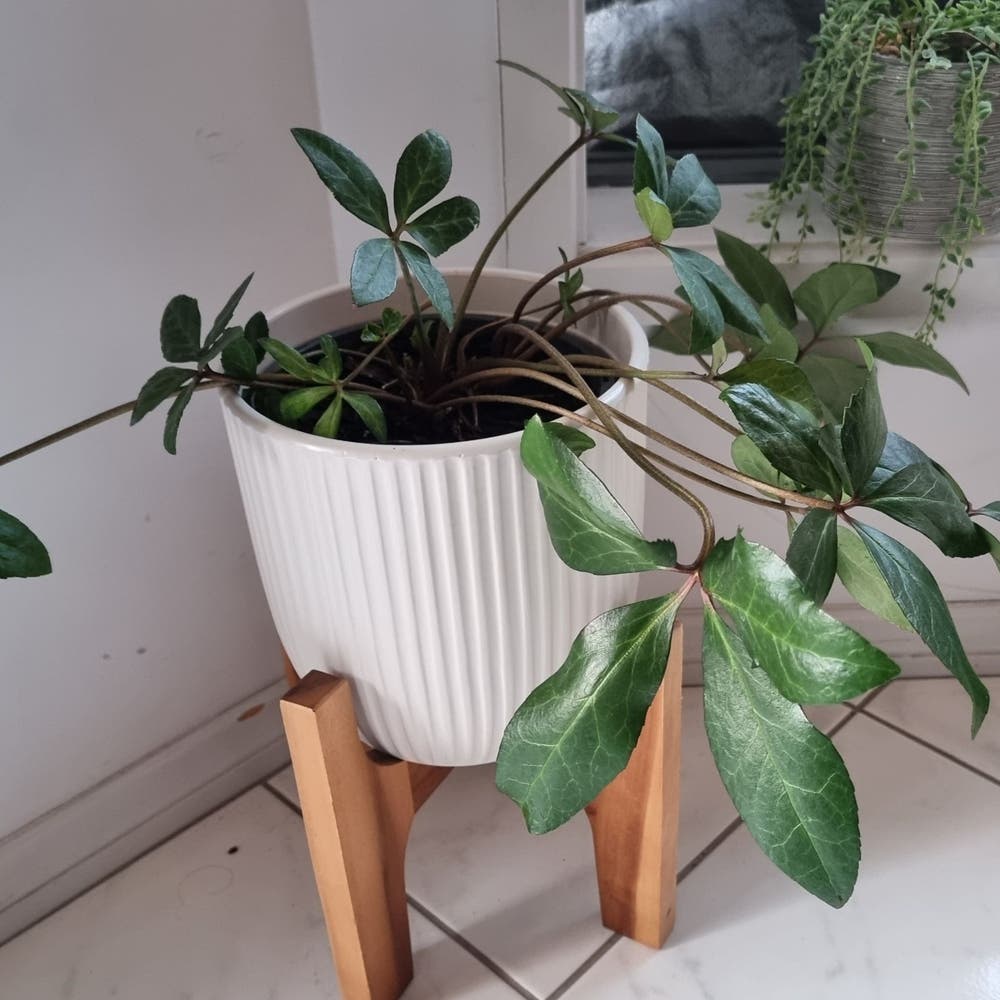
🌸 How to Fix Droopy Leaves on Your Purple Hellebore
Helleborus orientalis
By the Greg Editorial Team
Oct 19, 2024•4 min read
This article was created with the help of AI so we can cover more plants for you. May contain errors. See one? Report it here.
Transform your droopy purple hellebore into a thriving beauty 🌿 with essential care tips for watering and pest control!
- 💧 Identify droopy leaves: Check for overwatering or underwatering signs for your hellebore.
- 🐛 Inspect regularly for pests like aphids and slugs to prevent further damage.
- 🌱 Maintain optimal conditions: Ensure proper watering, sunlight, and drainage for healthy growth.
Diagnosing the Problem
Signs of Overwatering vs. Underwatering 🌊
Understanding whether your purple hellebore is overwatered or underwatered is crucial for its health.
Overwatering indicators include yellowing leaves, mushy roots upon inspection, and soil that remains soggy. These signs suggest that your plant is drowning and needs immediate attention.
On the other hand, underwatering indicators manifest as crispy leaf edges, soil pulling away from the pot, and leaves that curl or droop. If you notice these symptoms, your hellebore is likely thirsty and requires a drink.
Identifying Pest Infestations 🐛
Pests can wreak havoc on your hellebore if not caught early.
Common pests affecting hellebore include aphids and slugs. Aphids leave behind a sticky residue and cause distorted leaves, while slugs create visible trails and chew on leaf edges.
To keep your plant healthy, employ inspection techniques like regular checks for pests on the undersides of leaves. This proactive approach can save your plant from significant damage.
Recognizing Disease Symptoms 🦠
Diseases can also lead to droopy leaves, so it's essential to recognize the symptoms early.
Root rot is a common issue, characterized by wilting even when you’ve watered adequately. Fungal infections may present as mold or discoloration on leaves, signaling a need for immediate action.
Treatment options are vital for effective management. Early detection can make all the difference in saving your hellebore from serious health issues.
By diagnosing these problems accurately, you set the stage for effective solutions. Next, we’ll explore actionable steps to revive your droopy leaves and restore your plant's vitality.
Solutions for Droopy Leaves
🌊 Adjusting Watering Practices
To revive your droopy purple hellebore, start by assessing the soil moisture. You can use a moisture meter or simply stick your finger into the soil to gauge its dampness.
Next, establish a consistent watering schedule tailored to the seasonal needs of your plant. This routine will help ensure your hellebore receives just the right amount of water.
Finally, keep an eye on your plant's leaves after making these adjustments. Look for signs of improvement, such as perkier leaves and vibrant colors.
🕳️ Improving Soil Drainage
Soil composition plays a crucial role in your plant's health. Opt for a well-draining potting mix to prevent water from pooling around the roots.
Make sure your containers have drainage holes to allow excess water to escape. This simple step can make a significant difference in preventing droopy leaves.
To further enhance drainage, consider adding perlite or sand to your soil mix. These materials help create air pockets, promoting better root health.
🐛 Treating Pests and Diseases
Pest infestations can also lead to droopy leaves. For aphids, using insecticidal soap can effectively eliminate these pesky invaders.
If slugs are munching on your hellebore, try hand-picking them or setting up barriers to keep them at bay. A little vigilance goes a long way in protecting your plants.
For disease management, promptly remove any affected leaves to prevent the spread of infection. Applying fungicides as needed can also help keep your hellebore healthy.
With these solutions in place, your purple hellebore will be on its way to thriving once again. Next, let’s explore how to monitor and maintain your plant for long-term health.
Monitoring and Maintenance
Regular Checks for Leaf Health 🌿
Keeping an eye on your purple hellebore is essential. Conduct weekly inspections to spot any signs of droop or discoloration early.
Documenting changes in a care journal can be incredibly helpful. This practice allows you to track progress and identify patterns over time.
Importance of Proper Fertilization 🌱
Fertilization plays a crucial role in maintaining healthy plants. Aim to fertilize every 4-6 weeks during the growing season for optimal results.
Use balanced NPK formulas to ensure your hellebore gets the nutrients it needs. This approach supports robust growth and vibrant foliage.
Light and Temperature Considerations ☀️
Your hellebore thrives in specific light conditions. Aim for 4-6 hours of filtered sunlight daily to keep it happy.
Temperature is another critical factor. Maintain a range of 10°C to 20°C (50°F to 68°F) to ensure your plant remains healthy.
If conditions aren’t ideal, don’t hesitate to adjust the location of your pots. A little repositioning can make a significant difference in your plant's well-being.
By regularly monitoring these aspects, you can foster a thriving environment for your purple hellebore. Next, let’s explore how to address any issues that may arise effectively.
⚠️ Safety First
This content is for general information and may contain errors, omissions, or outdated details. It is not medical, veterinary advice, or an endorsement of therapeutic claims.
Always consult a qualified healthcare professional before using any plant as food, medicine, or supplement.
Never eat any plant (or feed one to pets) without confirming its identity with at least two trusted sources.
If you suspect poisoning, call Poison Control (800) 222-1222, the Pet Poison Helpline (800) 213-6680, or your local emergency service immediately.
Spotted an error? Please report it here.
Transform your droopy purple hellebore into a thriving beauty 🌿 by using Greg's custom watering reminders and pest alerts to ensure it gets the care it needs!