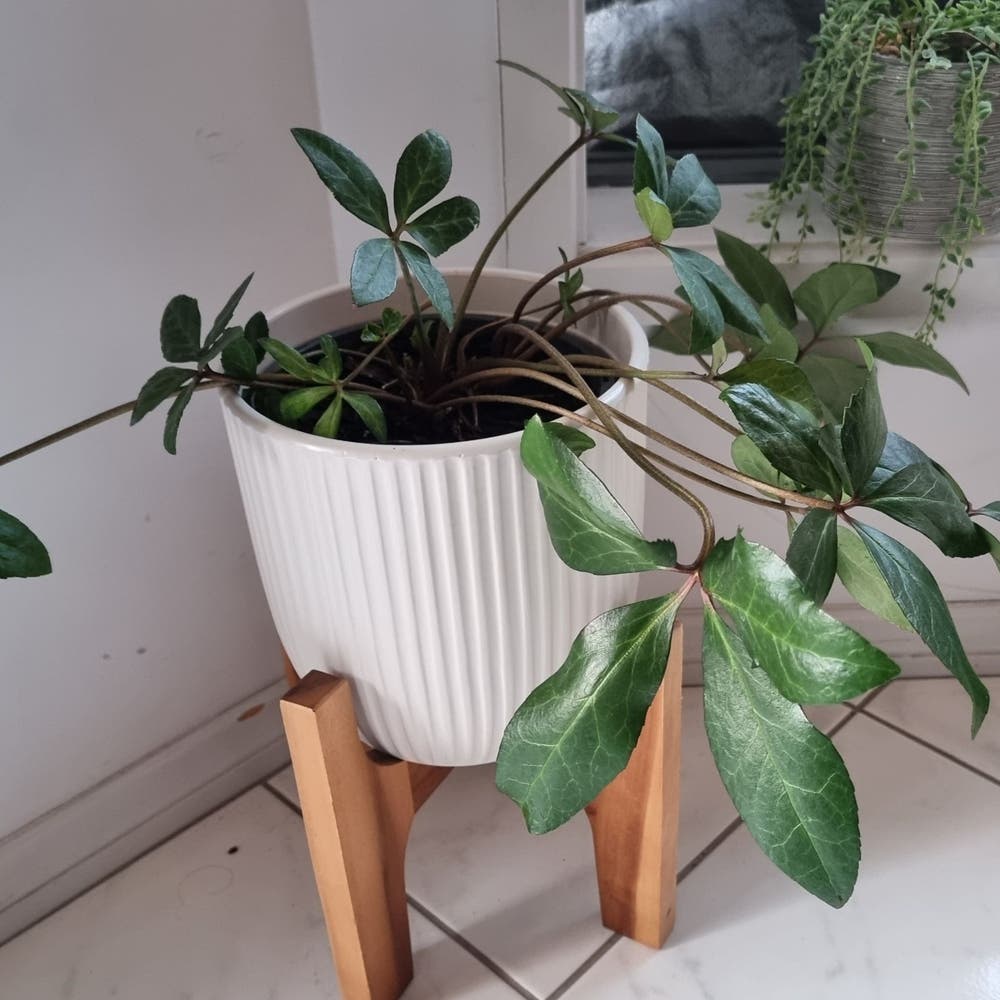
🌸 Ultimate Guide to Fixing Brown Spots on Purple Hellebore
Helleborus orientalis
By the Greg Editorial Team
Oct 20, 2024•4 min read
This article was created with the help of AI so we can cover more plants for you. May contain errors. See one? Report it here.
Revive your purple hellebore from brown spots 🌱 with these quick diagnosis and treatment tips for vibrant health!
- 🌱 Early detection of brown spots is key for effective treatment and plant health.
- 🦠 Fungal and bacterial infections cause brown spots; identify symptoms for proper care.
- 💧 Proper watering and drainage prevent brown spots, ensuring healthy purple hellebores.
Diagnosing the Problem
Identifying Symptoms and Severity 🌱
When it comes to brown spots on your purple hellebore, early detection is key. Look for small, dark brown spots that may expand over time.
As the problem progresses, you might notice yellowing around these spots, wilting leaves, and an overall decline in plant health. Assessing the severity involves evaluating the extent of leaf damage and the overall vitality of your plant.
Differentiating Between Fungal and Bacterial Infections 🦠
Understanding the type of infection is crucial for effective treatment. Fungal infections typically present as dark, irregular spots with defined edges, and they can spread rapidly in humid conditions.
On the other hand, bacterial infections show up as water-soaked lesions that may ooze. These are often localized and tend to spread less aggressively.
Identifying Pest-Related Issues 🐛
Pests can also wreak havoc on your hellebore. Common culprits include aphids, which cause curled leaves and leave a sticky residue behind.
Spider mites are another concern; look for fine webbing and stippled leaves as signs of their presence. Evaluating the impact of these pests on leaf health is essential for maintaining your plant's vitality.
By diagnosing these issues early, you can take proactive steps to restore your hellebore's health. Next, let’s explore treatment options to tackle these problems effectively.
Treatment Options
🌱 Organic Treatments for Fungal Infections
Neem Oil
Neem oil is a powerful organic solution for treating fungal infections on purple hellebore. Dilute it with water at a ratio of 1:100 and apply it every 7 to 14 days for optimal results.
Baking Soda Solution
A simple baking soda solution can effectively combat fungal issues. Mix 1 tablespoon of baking soda with 1 gallon of water, and spray it on affected leaves every two weeks.
Compost Tea
Compost tea not only nourishes your plants but also helps fight off fungal infections. Brew it by steeping compost in water for 24 to 48 hours, then strain and apply it directly to the soil and foliage.
⚗️ Chemical Treatments and When to Use Them
Fungicides
If organic treatments aren't enough, consider using fungicides specifically designed for hellebore. Look for products containing chlorothalonil or propiconazole, and follow the application guidelines carefully.
Timing
Timing is crucial for chemical treatments. Apply fungicides during early morning or late afternoon when temperatures are cooler, ensuring maximum absorption and effectiveness.
🏡 Home Remedies for Brown Spots
Milk Spray
A milk spray can be a surprisingly effective remedy for brown spots. Mix 1 part milk with 2 parts water and spray it on the affected areas once a week to help reduce fungal growth.
Garlic or Chili Pepper Spray
Garlic or chili pepper spray can deter pests and help with brown spots. Blend a few cloves of garlic or a couple of chili peppers with water, strain, and spray on the leaves for a natural pest repellent.
These treatment options provide a range of solutions to tackle brown spots on your purple hellebore. By combining organic and chemical methods, you can effectively restore your plant's health and beauty. Next, let’s explore preventive measures to keep your hellebore thriving.
Preventive Measures
Proper Watering Techniques 💧
Maintaining the right watering frequency is crucial for your purple hellebore. Aim to keep the soil consistently moist but not soggy, watering when the top inch feels dry.
Avoiding waterlogging is equally important. Ensure your pots or garden beds have proper drainage to prevent root rot and promote healthy growth.
Soil and Drainage Considerations 🌱
The ideal soil composition for hellebores is well-draining and rich in organic matter. This combination supports healthy root systems and prevents water retention.
Testing soil moisture can help you maintain optimal conditions. Use a moisture meter or simply stick your finger into the soil to check for dampness before watering.
Best Practices for Pruning and Maintenance ✂️
Pruning is essential for the health of your hellebore. Trim away dead or damaged leaves in early spring to encourage new growth and improve air circulation.
Regular inspections are key to catching issues early. Make it a habit to check your plants weekly for any signs of distress, ensuring they stay vibrant and healthy.
By implementing these preventive measures, you can significantly reduce the risk of brown spots and keep your purple hellebore thriving. Next, let’s explore effective treatment options for when problems do arise.
⚠️ Safety First
This content is for general information and may contain errors, omissions, or outdated details. It is not medical, veterinary advice, or an endorsement of therapeutic claims.
Always consult a qualified healthcare professional before using any plant as food, medicine, or supplement.
Never eat any plant (or feed one to pets) without confirming its identity with at least two trusted sources.
If you suspect poisoning, call Poison Control (800) 222-1222, the Pet Poison Helpline (800) 213-6680, or your local emergency service immediately.
Spotted an error? Please report it here.
Keep your purple hellebore spotless 🌿 by using Greg's tailored care reminders and expert tips to catch issues early and ensure vibrant growth!