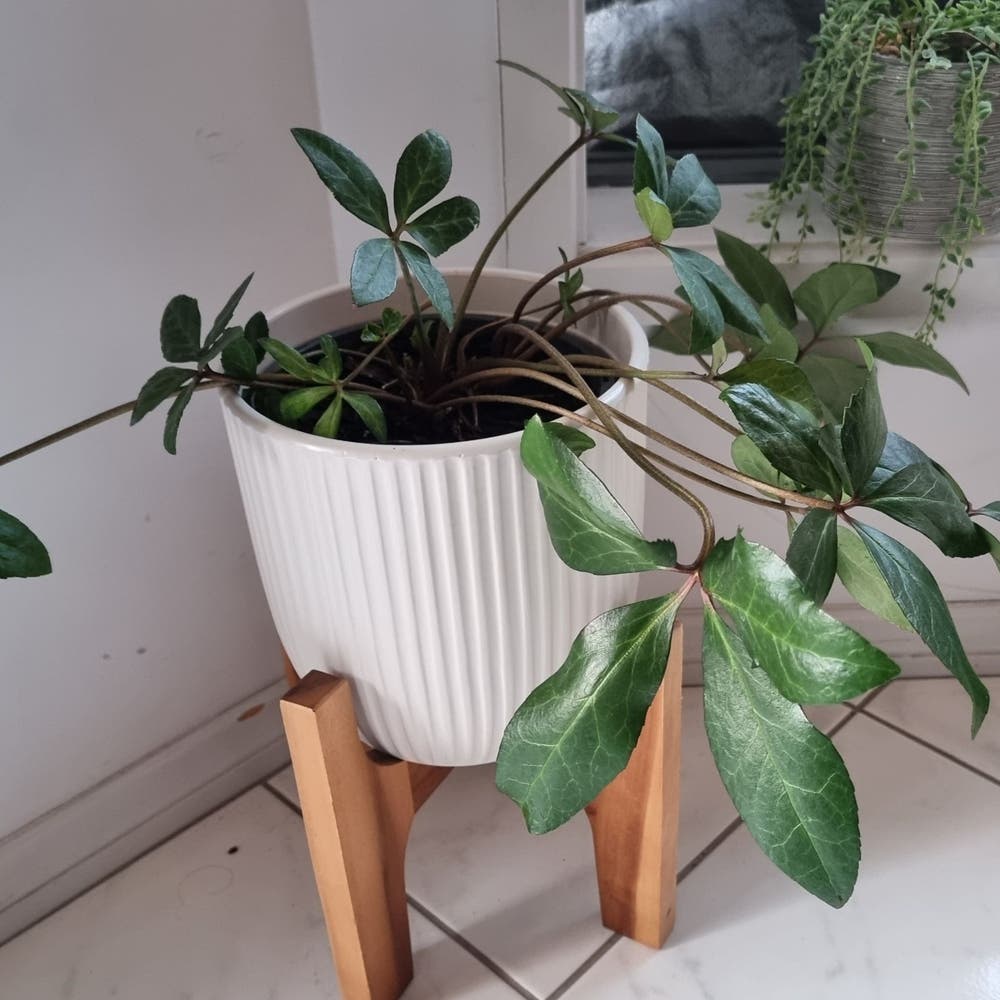
4 Secrets to Successfully Grow Purple Hellebore 💜
Helleborus orientalis
By the Greg Editorial Team
Oct 19, 2024•5 min read
This article was created with the help of AI so we can cover more plants for you. May contain errors. See one? Report it here.
Cultivate stunning purple hellebores 🌸 with expert tips on care and ideal growing conditions for your garden!
- 🌞 Purple hellebore thrives in partial shade, needing 4-6 hours of indirect sunlight daily.
- 🌱 Ideal USDA zones are 4-9, accommodating various climates for successful growth.
- 💧 Maintain moist, well-drained soil to prevent root rot and promote healthy growth.
Choosing the Right Location
🌞 Sunlight Requirements
To thrive, purple hellebore prefers partial to full shade, ideally receiving 4-6 hours of indirect sunlight daily. Too much sun can lead to leaf scorch and a significant reduction in flowering, so finding that sweet spot is crucial.
🌡️ Ideal Temperature and Climate Conditions
These resilient plants flourish in USDA zones 4-9, making them suitable for a variety of climates. They also appreciate moderate humidity levels, reminiscent of their natural woodland habitats, which helps them thrive and bloom beautifully.
Choosing the right location sets the foundation for your hellebore's success. With the right light and climate, you're well on your way to a stunning garden display.
Soil Preparation
Soil Type and pH Preferences 🌱
To grow healthy purple hellebore, start with the right soil. They thrive in well-drained, rich loam that’s packed with organic matter.
The ideal pH range for hellebore is slightly acidic to neutral, between 6.0 and 7.0. This balance ensures that nutrients are readily available for your plants.
Amendments for Optimal Growth 🌿
Enhancing your soil with the right amendments can make a world of difference. Incorporate compost, peat moss, and well-rotted manure to boost fertility and structure.
Before planting, don’t skip soil testing. Checking pH and nutrient levels helps you tailor your amendments for optimal growth, setting your hellebore up for success.
With the right soil preparation, your purple hellebore will be ready to flourish. Next, let’s dive into effective planting techniques to ensure they take root beautifully.
Planting Techniques
Step-by-Step Planting Guide 🌱
1. Timing for Planting
The best seasons to plant purple hellebore are early spring or fall. These times allow for optimal root establishment, giving your plants a strong start.
2. Spacing and Depth for Planting
When planting, space your hellebores 12-18 inches apart. This spacing promotes good air circulation, which is essential for healthy growth.
For planting depth, ensure the crown of the plant is level with the soil surface. This positioning helps prevent rot and encourages robust development.
With these techniques in mind, you're well on your way to cultivating beautiful purple hellebores. Next, let’s explore how to care for them through proper watering and fertilizing.
Watering and Fertilizing
💧 Watering Needs
Frequency and Method
To keep your purple hellebore thriving, maintain a consistent watering schedule. The soil should be moist but never soggy; water at the base of the plant to prevent leaf rot.
Signs of Overwatering or Underwatering
Watch for signs that your watering routine may need adjustment. Overwatering can lead to yellowing leaves, wilting, and root rot, while underwatering often results in wilting, dry leaf edges, and stunted growth.
🌱 Fertilizing Schedule and Techniques
Types of Fertilizers
When it comes to fertilizing, opt for balanced NPK fertilizers like 10-10-10 or organic options such as fish emulsion. These choices will provide the essential nutrients your hellebore needs to flourish.
Organic vs. Synthetic Options
Organic fertilizers offer benefits like improved soil health and reduced chemical runoff, making them a great choice for eco-conscious gardeners. Fertilization is best timed for early spring and mid-summer to maximize growth and flowering.
With proper watering and fertilizing techniques, your purple hellebore will be well on its way to becoming a stunning addition to your garden. Next, let’s explore effective pruning and maintenance strategies to keep your plants healthy and vibrant.
Pruning and Maintenance
Pruning Techniques 🌿
When and How to Prune
Timing is everything when it comes to pruning purple hellebore. Aim for late spring, right after flowering, to remove those spent blooms and keep your plants looking tidy.
When you prune, cut back to the base. This encourages new growth and helps your hellebores thrive.
Ongoing Care Routine 🧑🌾
Choosing the right mulch can make a significant difference in your hellebore's health. Organic mulches like bark or straw are excellent choices.
These mulches retain moisture, suppress weeds, and help regulate soil temperature, creating a cozy environment for your plants.
Monitoring for Pests and Diseases 🐛
Regular inspections are crucial for maintaining healthy hellebores. Keep an eye out for any signs of pests or diseases.
Being proactive can save your plants from potential issues, ensuring they remain vibrant and flourishing.
With proper pruning and ongoing care, your purple hellebores will not only survive but thrive, setting the stage for the next section on common challenges and solutions.
Common Challenges and Solutions
🐛 Identifying Common Problems
Pests
Purple hellebores can attract a few pesky pests. The most common culprits are aphids and slugs, which can wreak havoc on your plants.
Look for signs of infestation, such as distorted leaves or holes in the foliage. These indicators can help you catch problems early.
Diseases
Diseases can also pose a threat to your hellebores. Root rot and leaf spot are two of the most frequent issues you'll encounter.
Symptoms include wilting, yellowing leaves, and dark spots on the foliage. Being vigilant can save your plants from serious damage.
🛡️ Solutions and Preventive Measures
Integrated Pest Management Strategies
To combat pests, consider integrated pest management strategies. One effective method is to encourage natural predators like ladybugs, which feast on aphids.
For more direct control, organic options like neem oil and diatomaceous earth can be effective. These solutions are gentle on your plants but tough on pests.
Best Practices for Disease Prevention
Preventing diseases starts with proper spacing for air circulation. This simple step can significantly reduce the risk of fungal infections.
Additionally, avoid overhead watering to keep leaves dry. This practice minimizes leaf wetness, which is a breeding ground for many diseases.
By staying proactive and informed, you can ensure your purple hellebores thrive despite common challenges. Next, let’s explore effective pruning and maintenance techniques to keep your plants healthy and vibrant.
⚠️ Safety First
This content is for general information and may contain errors, omissions, or outdated details. It is not medical, veterinary advice, or an endorsement of therapeutic claims.
Always consult a qualified healthcare professional before using any plant as food, medicine, or supplement.
Never eat any plant (or feed one to pets) without confirming its identity with at least two trusted sources.
If you suspect poisoning, call Poison Control (800) 222-1222, the Pet Poison Helpline (800) 213-6680, or your local emergency service immediately.
Spotted an error? Please report it here.
Grow vibrant purple hellebore 🌸 effortlessly with Greg's tailored care reminders and soil testing features to keep your plants thriving in perfect conditions!