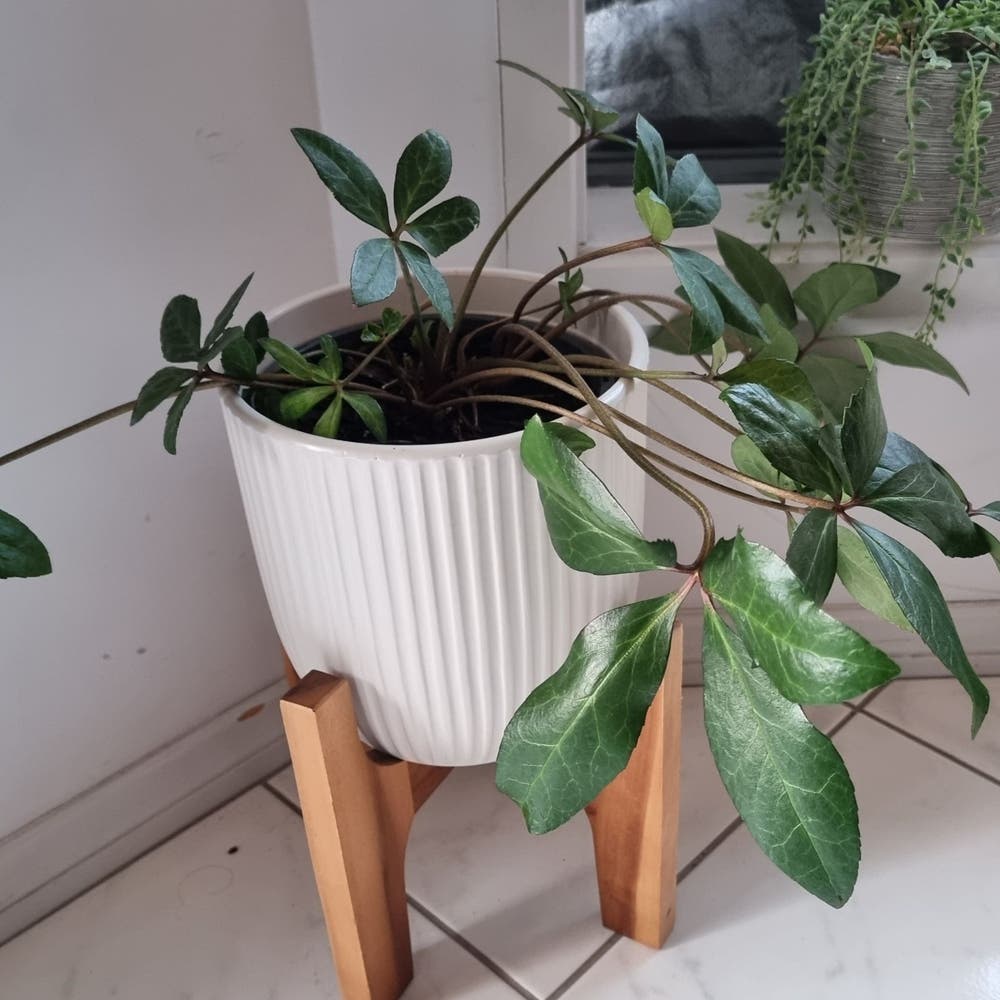
🌸 Step-by-Step Guide to Trimming Purple Hellebore
Helleborus orientalis
By the Greg Editorial Team
Oct 19, 2024•5 min read
This article was created with the help of AI so we can cover more plants for you. May contain errors. See one? Report it here.
Unlock vibrant blooms for your purple hellebore 🌸 with expert pruning tips that keep your garden thriving!
- ✂️ Use sharp tools like shears and disinfectant for effective purple hellebore pruning.
- 🌱 Prune in late winter to early spring for optimal growth and health.
- 🌼 Regular deadheading enhances flowering and keeps your hellebore looking vibrant.
Tools Needed for Pruning
When it comes to pruning your purple hellebore, having the right tools is essential for achieving clean, effective cuts. Here’s a quick rundown of what you’ll need.
✂️ Sharp Pruning Shears
Invest in a pair of sharp pruning shears. They ensure clean cuts, which are vital for the plant's healing process.
🌳 Loppers
For thicker stems, loppers are your best friend. They provide the leverage needed to tackle those sturdier branches without straining your hands.
🧤 Gloves
Don’t forget to wear gloves! They protect your hands from sap and sharp edges, making the whole process safer and more comfortable.
🧼 Disinfectant
Lastly, keep a disinfectant handy. Cleaning your tools before and after use prevents the spread of diseases, ensuring your hellebore stays healthy.
With these tools in your gardening arsenal, you're well-equipped to tackle the pruning process. Next, let’s dive into the step-by-step pruning process to get your hellebore looking its best!
Step-by-Step Pruning Process
🌱 Identifying the Right Time to Prune
Timing is crucial when it comes to pruning your purple hellebore. The best window is late winter to early spring, just before new growth starts to emerge.
Look for signs that indicate it's time to prune. Dead or damaged leaves and an overgrown or leggy appearance are clear indicators that your plant needs some attention.
✂️ Techniques for Cutting Stems
Pruning stems effectively can rejuvenate your hellebore. Start by identifying the stems that need cutting, focusing on any dead or damaged foliage.
- Make your cuts at the base of the stem, just above the soil line.
- Aim for a 45-degree angle with your cuts to promote healing and minimize stress on the plant.
🌳 How to Shape the Plant
Shaping your hellebore is essential for its overall health and appearance. Begin by removing any crossing or crowded stems to improve airflow.
To maintain a balanced shape, trim evenly around the plant. Remember, avoid excessive cutting; aim to remove no more than one-third of the plant at a time to keep it thriving.
With these techniques, your purple hellebore will not only look great but also flourish in the growing season. Next, let’s explore the benefits of deadheading to keep your plant blooming beautifully.
Deadheading Purple Hellebore
🌼 Benefits of Deadheading
Deadheading your purple hellebore is a game changer. It not only extends the flowering period, encouraging more blooms throughout the season, but also enhances the plant's appearance, keeping it looking tidy and healthy.
✂️ Step-by-Step Deadheading Instructions
Identifying Spent Flowers
Knowing when to deadhead is crucial. Look for signs of spent flowers, such as wilting or browning petals and drooping flower heads.
Proper Cutting Techniques
Follow these simple steps for effective deadheading:
- Locate the spent flower stem.
- Cut the stem back to the base, just above the foliage.
- Ensure cuts are clean to prevent damage.
By deadheading regularly, you’ll keep your purple hellebore thriving and vibrant. This small effort can lead to a more beautiful garden, filled with life and color.
As you continue caring for your hellebore, let’s explore common problems and solutions that may arise.
Common Problems and Solutions
🕵️ Identifying Common Issues
Purple hellebore can face a few common problems that every gardener should be aware of.
- Leaf Spot: Look for brown or black spots on the leaves, which can indicate fungal infections.
- Wilting: This often results from root rot or overwatering, signaling that your plant needs immediate attention.
✂️ How Pruning Affects Plant Health
Proper pruning plays a crucial role in maintaining the health of your hellebore.
- It reduces overcrowding, allowing for better air circulation, which is essential for preventing diseases.
- Additionally, pruning encourages new growth and promotes more vibrant flowering, giving your plant a fresh start each season.
🛡️ Preventing Disease through Pruning
To keep your hellebore thriving, focus on disease prevention through effective pruning techniques.
- Regularly remove any dead or diseased foliage to minimize the risk of infection.
- Always disinfect your tools before use to prevent spreading pathogens, ensuring your garden remains healthy and vibrant.
By addressing these common issues and employing proper pruning techniques, you can significantly enhance the health and beauty of your purple hellebore. Next, let's explore the essential aftercare needed for your pruned plants to ensure they flourish.
Post-Pruning Care
🌱 Aftercare for Pruned Hellebore
After pruning your purple hellebore, immediate care is crucial. Lightly water the plant to help reduce stress and support recovery.
Avoid heavy fertilization right after pruning. This allows the plant to focus on healing rather than diverting energy to new growth.
👀 Monitoring Plant Health
Keep an eye on your hellebore in the weeks following pruning. Look for new growth emerging, which is a good sign that your plant is thriving.
Be vigilant for any signs of stress or disease. Early detection can make a significant difference in your plant's recovery.
🌼 Fertilization Tips Post-Pruning
Once you see new growth, it’s time to consider fertilization. Use a balanced, slow-release fertilizer to provide essential nutrients.
Steer clear of high nitrogen fertilizers. They can lead to excessive leaf growth, which may come at the expense of blooms.
With proper aftercare, your hellebore will flourish beautifully, setting the stage for vibrant blooms in the upcoming season. Next, let’s explore common problems and solutions to keep your plants healthy and thriving.
⚠️ Safety First
This content is for general information and may contain errors, omissions, or outdated details. It is not medical, veterinary advice, or an endorsement of therapeutic claims.
Always consult a qualified healthcare professional before using any plant as food, medicine, or supplement.
Never eat any plant (or feed one to pets) without confirming its identity with at least two trusted sources.
If you suspect poisoning, call Poison Control (800) 222-1222, the Pet Poison Helpline (800) 213-6680, or your local emergency service immediately.
Spotted an error? Please report it here.
Transform your purple hellebore into a blooming beauty 🌸 by using Greg's tailored pruning reminders and expert tips to keep your plant thriving all season long!