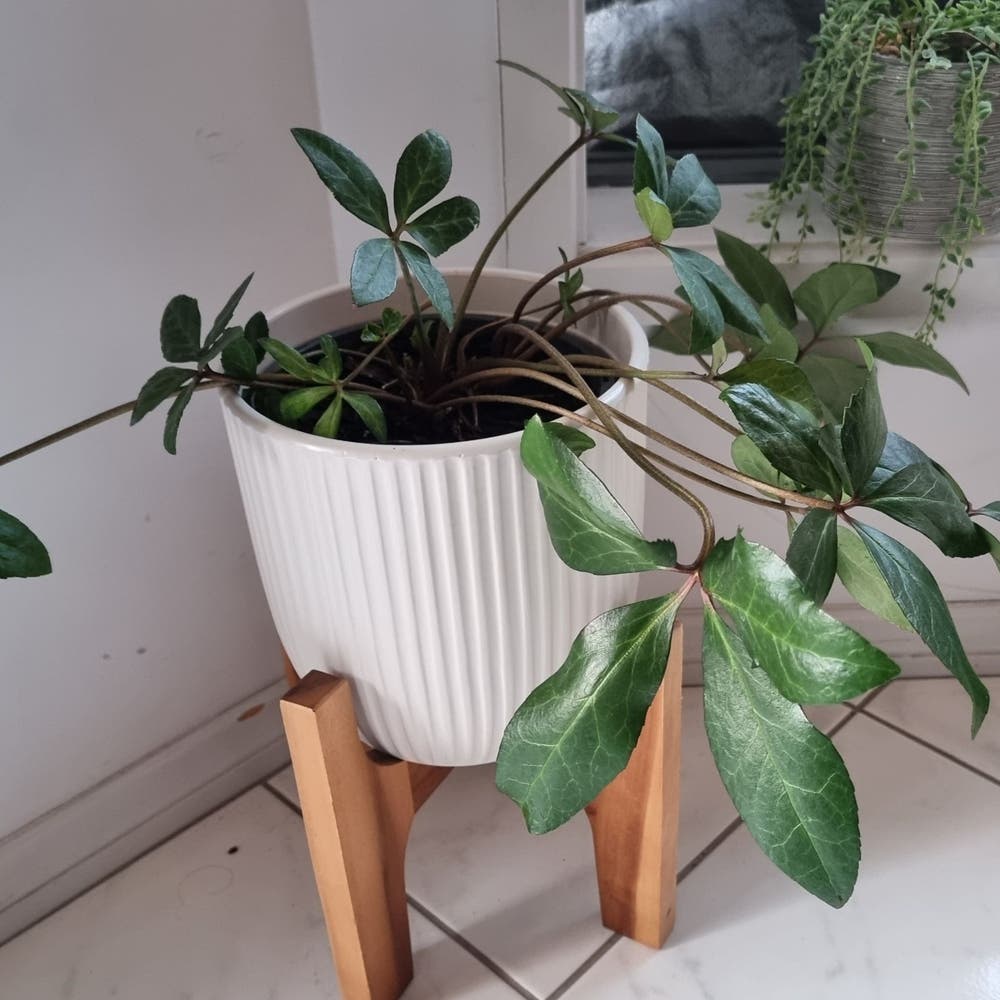
🌸 Best Tips for Purple Hellebore Health
Helleborus orientalis
By the Greg Editorial Team
Oct 19, 2024•4 min read
This article was created with the help of AI so we can cover more plants for you. May contain errors. See one? Report it here.
Master the art of caring for purple hellebores 🌱 to ensure a vibrant, flourishing garden all year round!
- 💧 Balance watering to prevent yellow leaves and root rot in purple hellebores.
- 🌞 Provide partial shade to avoid leggy growth and ensure vibrant blooms.
- 🐛 Monitor for pests like aphids; treat promptly to maintain hellebore health.
Common Problems Specific to Purple Hellebore
💧 Watering Issues
Overwatering
Overwatering is a common issue for purple hellebores. Symptoms include yellowing leaves with a mushy texture and signs of root rot, such as squishy roots and a foul odor.
To combat this, ensure your soil has good drainage and allow the top inch to dry out before watering again. This simple adjustment can make a world of difference.
Underwatering
On the flip side, underwatering can also wreak havoc on your plants. Look for wilting leaves, dry soil, and leaf edges that turn brown or crispy.
To remedy this, water deeply and consistently, checking moisture levels regularly. A little attention goes a long way in keeping your hellebores happy.
💡 Light Conditions
Inadequate Light
If your purple hellebores are struggling, inadequate light might be the culprit. Symptoms include leggy growth with elongated stems, sparse leaves, and poor or nonexistent blooms.
To fix this, move your plants to a location with partial to full shade, avoiding direct sunlight. They’ll thrive in the right light conditions.
Excessive Light
Conversely, too much direct sunlight can scorch your hellebores. Look for scorching or browning tips on leaves as a telltale sign.
Providing filtered light or using shade cloth during peak sun hours can help protect your plants. Balance is key for optimal growth.
🌡️ Temperature Issues
Temperature Stress
Temperature extremes can stress your hellebores, leading to symptoms like leaf scorch, browning tips, stunted growth, or delayed blooming.
Aim to maintain temperatures between 50°F to 70°F (10°C to 21°C). Protect your plants from frost using mulch or row covers to keep them cozy.
🐛 Pests and Diseases
Common Pests
Pests like aphids and slugs can be a nuisance. Aphids appear as small, green insects on new growth, while slugs and snails leave visible trails and chewed leaves.
Treat aphids with insecticidal soap or neem oil. For slugs, hand-picking or traps, along with diatomaceous earth around the base, can be effective.
Fungal Diseases
Fungal diseases can also plague your hellebores.
Powdery Mildew: Look for white, powdery spots on leaves, often due to high humidity. Improve air circulation and apply fungicides or a baking soda solution.
Rust: Symptoms include orange or yellow spots on leaves. Remove affected leaves and apply rust fungicides.
Black Rot: Dark, sunken spots on leaves signal overwatering or poor drainage. Improve drainage and remove infected plant parts.
Blight: Rapid wilting and browning of leaves indicate blight. Remove affected areas and apply appropriate fungicides.
🌱 Growth and Leaf Problems
Growth Issues
Stunted growth, lack of blooms, and leaning or leggy growth can signal nutrient deficiency or insufficient light.
To address this, fertilize with a balanced fertilizer, ensure proper light, and rotate plants for even growth. Your hellebores will thank you.
Leaf Issues
Brown, crispy leaf edges, general yellowing, and white, fuzzy patches can indicate excessive sun exposure, nutrient deficiency, or fungal infection.
Provide shade, test soil for nutrients, and improve air circulation while treating with fungicides. Healthy leaves are essential for vibrant plants.
As you navigate these common problems, remember that proactive care can lead to flourishing purple hellebores. Next, let’s explore some preventive measures to keep your plants thriving year-round.
Preventive Measures
🌱 Best Practices
To keep your purple hellebore thriving, regularly check the soil moisture and adjust your watering routine accordingly. Proper light and temperature conditions are crucial, so ensure your plants are in the right spot.
Monitoring for pests and diseases early can save you a lot of trouble down the line. A quick inspection can help you catch any issues before they escalate.
📅 Seasonal Care Reminders
Spring is the perfect time to fertilize and check for new growth. This sets a strong foundation for the growing season ahead.
In summer, keep an eye out for pests and ensure your watering needs are met. Consistent care during this time is essential for healthy blooms.
As fall approaches, prepare your hellebores for winter by mulching and protecting their roots. This simple step can make a big difference in their survival through colder months.
📱 Using Technology for Care
Consider using the Greg plant care app to help you stay on top of your hellebore's health. This handy tool can send you reminders and help monitor your plants’ needs, making care easier and more efficient.
With these preventive measures, you can enjoy a flourishing garden filled with beautiful purple hellebores. Next, let’s explore common problems specific to these stunning plants and how to tackle them effectively.
⚠️ Safety First
This content is for general information and may contain errors, omissions, or outdated details. It is not medical, veterinary advice, or an endorsement of therapeutic claims.
Always consult a qualified healthcare professional before using any plant as food, medicine, or supplement.
Never eat any plant (or feed one to pets) without confirming its identity with at least two trusted sources.
If you suspect poisoning, call Poison Control (800) 222-1222, the Pet Poison Helpline (800) 213-6680, or your local emergency service immediately.
Spotted an error? Please report it here.
Keep your purple hellebores thriving 🌿 by balancing watering and providing shade, while Greg sends you personalized reminders and care tips to ensure your plants flourish!