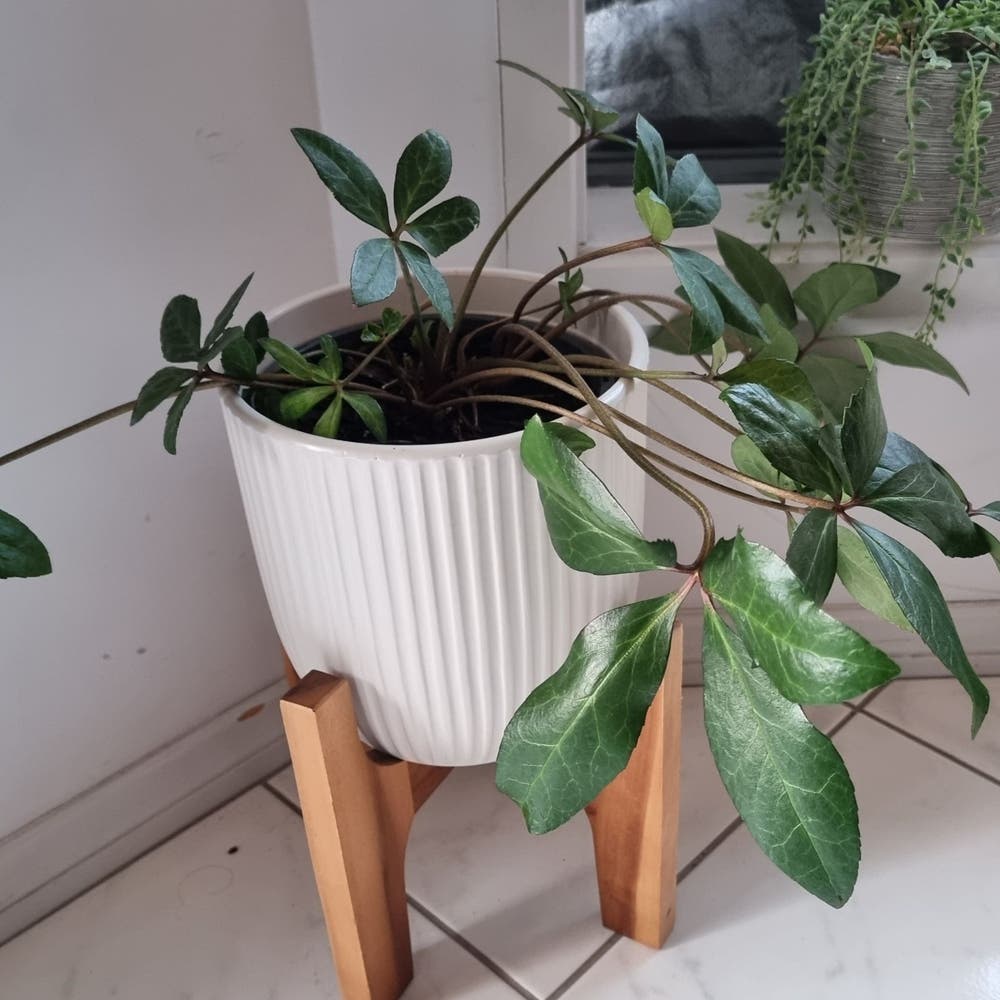
6 Outdoor Care Tips for Lenten Rose 🌸
Helleborus orientalis
By the Greg Editorial Team
Oct 15, 2024•6 min read
This article was created with the help of AI so we can cover more plants for you. May contain errors. See one? Report it here.
Elevate your garden with thriving Lenten roses 🌸 by mastering essential care tips for every season!
- 🌞 Lenten roses thrive in 4-6 hours of indirect sunlight for optimal growth.
- 💧 Consistent moisture is key; avoid overwatering to prevent yellowing and wilting leaves.
- 🌱 Mulching and seasonal adjustments protect roots and ensure healthy growth year-round.
Outdoor Care Requirements
🌞 Sunlight Needs and Shade Preferences
Lenten roses thrive in partial to full shade, ideally receiving 4 to 6 hours of indirect sunlight each day. This shade is crucial for their optimal growth and blooming, helping them flourish in a variety of garden settings.
💧 Watering Requirements and Techniques
To keep your Lenten roses healthy, maintain consistently moist soil without letting it become waterlogged. Utilizing drip irrigation or soaker hoses can effectively minimize leaf wetness, reducing the risk of fungal diseases.
Signs of Overwatering and Underwatering
Watch for signs of distress: overwatering often leads to yellowing leaves and wilting, while underwatering can cause leaves to become crispy and brown. Regular monitoring will help you strike the right balance.
🌱 Soil Preferences and Amendments
Lenten roses prefer well-drained, rich soil with a pH level between 6.0 and 7.0. Enhancing your soil with compost or well-rotted manure can significantly boost fertility, providing the nutrients these plants need to thrive.
📅 Fertilization Tips and Schedules
Timing is key when fertilizing Lenten roses. Apply a balanced NPK fertilizer (10-10-10) or organic options like fish emulsion in early spring and mid-summer to support their growth.
Importance of Avoiding Over-Fertilization
Be cautious not to over-fertilize, as this can lead to lush foliage at the expense of blooms. A little goes a long way, so follow recommended guidelines for the best results.
With these outdoor care requirements in mind, you’ll be well-equipped to nurture your Lenten roses. Next, let’s explore the various planting options to maximize their potential in your garden.
Planting Options
🌱 Benefits of Planting in Containers
Planting Lenten roses in containers offers remarkable flexibility. You can easily move them around to find the perfect light or aesthetic spot.
Containers also allow for better control over soil quality and drainage. This is especially beneficial if you have less-than-ideal garden soil or want to create a specific environment for your plants.
🚧 Drawbacks of Container Gardening
However, container gardening does come with its challenges. Limited root space can restrict growth, making it crucial to choose the right pot size.
Additionally, containers dry out faster, requiring more frequent watering. This can be a hassle, especially during hot summer months.
🌳 Advantages of Planting in the Ground
On the other hand, planting Lenten roses directly in the ground provides ample space for root expansion. This often leads to healthier, more robust plants.
Ground planting also offers better moisture retention. The natural soil ecosystem supports beneficial organisms, enhancing plant health.
⚠️ Disadvantages of Ground Planting
Yet, ground planting isn't without its drawbacks. You have less control over soil quality and drainage, which can lead to issues if your soil isn't ideal.
Moreover, plants in the ground are more vulnerable to pests and diseases. They may also compete with surrounding plants for nutrients, which can hinder their growth.
In summary, both planting options have their pros and cons. Choosing the right one depends on your specific gardening goals and conditions. Next, let’s explore how to protect your Lenten roses from extreme weather.
Weather Protection
🌪️ Strategies for Protecting from Extreme Weather
Mulching is a game-changer for Lenten roses. Using organic mulch not only insulates the roots but also helps retain moisture, keeping your plants happy.
Windbreaks are another effective strategy. Planting nearby shrubs or utilizing garden structures can shield your Lenten roses from harsh winds, ensuring they thrive even in challenging conditions.
❄️ Tips for Winter Care and Frost Protection
When extreme cold hits, covering your plants with burlap or frost cloth can make a significant difference. This simple step protects them from frost damage.
Additionally, watering your Lenten roses before a frost is crucial. Moist soil helps the plants withstand low temperatures better, giving them a fighting chance against winter's chill.
🍂 Seasonal Changes and Their Impact on Care
As the seasons shift, so should your care routine. In spring, increase watering as growth resumes to support new life.
Conversely, in fall, it's time to prepare for dormancy. Reducing watering during this period helps your plants transition smoothly into their winter rest.
With these weather protection strategies, your Lenten roses will be well-equipped to handle whatever Mother Nature throws their way. Next, let’s dive into pest and disease management to keep your plants healthy and vibrant.
Pest and Disease Management
Common Outdoor Pests 🐛
Lenten roses can attract a few pesky outdoor pests.
- Aphids: These tiny insects can cause curled leaves and leave a sticky residue behind.
- Slugs and Snails: Look for irregular holes in the leaves, a telltale sign of their munching.
To manage these pests, consider handpicking them off your plants, setting traps, or using barriers to keep them at bay.
Signs of Disease and Management ⚠️
Diseases can also affect your Lenten roses, so it's essential to stay vigilant.
- Root Rot: Watch for wilting and yellowing leaves, which indicate this serious issue.
- Leaf Spot: Look for brown or black spots on the leaves, signaling a potential problem.
To combat these diseases, improve drainage around your plants and remove any affected leaves promptly.
Organic Pest Control Methods 🌱
For those looking to keep their garden eco-friendly, organic pest control methods are effective and safe.
Using neem oil or insecticidal soap can help manage pest populations without harming beneficial insects.
Additionally, encourage beneficial insects like ladybugs and lacewings, which naturally keep pest numbers in check.
By staying proactive about pest and disease management, you can ensure your Lenten roses thrive beautifully.
Next, let’s explore seasonal care considerations to keep your plants healthy year-round.
Seasonal Care Considerations
🌸 Spring Care Tips
Spring is the season of renewal, and your Lenten Rose will thrive with a little attention. Start by pruning away any dead or damaged leaves to encourage fresh growth.
Next, apply a balanced fertilizer as the plant begins to wake up. This will provide the nutrients needed for vibrant blooms.
☀️ Summer Maintenance and Watering Adjustments
As temperatures rise, it's crucial to adjust your watering routine. Increase the frequency during hot, dry spells to keep the soil consistently moist.
Keep a close eye out for pests and diseases, as they can become more prevalent in the summer heat. Regular checks can help you catch issues early.
🍂 Fall Preparation for Winter
As fall approaches, it's time to prepare your Lenten Rose for the colder months. Apply a thick layer of mulch around the base to insulate the roots and protect them from freezing temperatures.
Also, start reducing your watering as the plant enters dormancy. This helps prevent root rot during the winter months.
❄️ Winter Care and Dormancy
During winter, your Lenten Rose will need minimal care. Water only if the soil is extremely dry, as overwatering can lead to root issues.
Finally, protect your plants from heavy snow accumulation on the leaves. This simple step can prevent damage and ensure a healthy return in spring.
With these seasonal care tips, your Lenten Rose will flourish throughout the year. Next, let’s explore pest and disease management to keep your plants healthy and vibrant.
⚠️ Safety First
This content is for general information and may contain errors, omissions, or outdated details. It is not medical, veterinary advice, or an endorsement of therapeutic claims.
Always consult a qualified healthcare professional before using any plant as food, medicine, or supplement.
Never eat any plant (or feed one to pets) without confirming its identity with at least two trusted sources.
If you suspect poisoning, call Poison Control (800) 222-1222, the Pet Poison Helpline (800) 213-6680, or your local emergency service immediately.
Spotted an error? Please report it here.
Cultivate thriving Lenten roses 🌿 by using Greg's tailored watering reminders and pest management tips to keep your garden flourishing all year round!