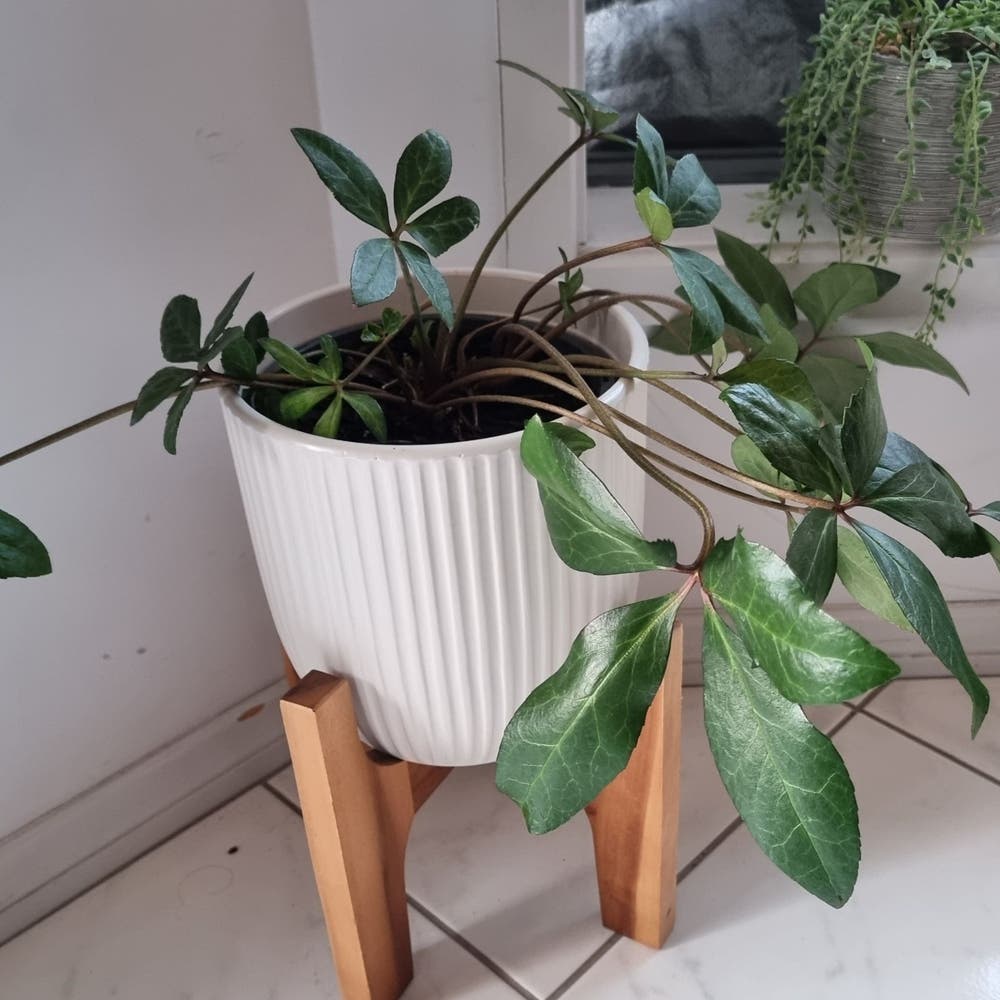
🌸 Lenten Rose: Not an Annual
Helleborus orientalis
By the Greg Editorial Team
Oct 15, 2024•4 min read
This article was created with the help of AI so we can cover more plants for you. May contain errors. See one? Report it here.
Elevate your garden with the resilient Lenten Rose 🌼, a perennial that thrives year-round and supports local pollinators!
- 🌼 Lenten Rose is a perennial, thriving for decades with evergreen foliage.
- 🌳 Cold-hardy and resilient, it flourishes in shaded woodland areas across USDA zones 4-9.
- 🌱 Unlike annuals, it has a multi-year lifecycle, entering dormancy in winter for health.
Lenten Rose as a Perennial
🌱 Genetic and Physiological Characteristics
Helleborus orientalis, commonly known as the Lenten Rose, boasts unique genetic traits that make it a standout perennial. Its evergreen foliage retains leaves year-round, adding a lush aesthetic to gardens even in winter.
The Lenten Rose features a robust root system, perfectly adapted for survival in shaded woodland areas. This resilience allows it to thrive where many other plants struggle.
📈 Long-Term Lifecycle and Growth Patterns
One of the most impressive aspects of the Lenten Rose is its lifespan; it can live for decades, establishing a strong presence in any garden. Initially, it may exhibit slow growth, but this is soon followed by robust development in subsequent years.
Cold hardiness is another advantage, as the Lenten Rose thrives in USDA zones 4-9. This adaptability allows it to flourish in various climates, making it a versatile choice for gardeners.
🌼 Reproductive Strategies
In early spring, the Lenten Rose produces seeds after flowering, ensuring its continued presence in the garden. Additionally, it can spread through vegetative propagation, thanks to its ability to divide roots.
This perennial also attracts early pollinators, enhancing its reproductive success. By providing a food source for these beneficial insects, it plays a vital role in the ecosystem.
🔄 Lifecycle Comparison with True Annuals
Unlike true annuals, which complete their lifecycle in a single season, the Lenten Rose has a multi-year lifecycle. This longevity allows it to contribute to garden beauty year after year.
During winter, the Lenten Rose enters dormancy, a natural process that contrasts with annuals that die off completely. This dormancy is essential for its health and future growth.
❓ Misconceptions and Exceptions
Sometimes, environmental stress or mismanagement can lead to the Lenten Rose being mistaken for an annual. Factors like poor soil or inadequate care can hinder its growth, causing confusion among gardeners.
Regional variations also play a role in classification. Climate impacts and local gardening practices can affect how the Lenten Rose is perceived and cultivated.
As you explore the many facets of the Lenten Rose, you'll discover its potential to enhance your garden design. Next, we’ll delve into the garden design implications of incorporating this stunning perennial.
Garden Design Implications
🌼 Advantages in Perennial Planting
Lenten Rose offers year-round interest with its evergreen foliage, which remains vibrant even in winter. This visual appeal can transform a dull garden into a lively space, providing a backdrop for seasonal changes.
In addition to its foliage, Lenten Rose blooms in early spring, adding a splash of color before many other plants awaken. This makes it a valuable asset for gardeners looking to create a dynamic landscape throughout the year.
🌿 Strategies for Incorporating into Garden Design
Companion planting is an effective strategy when incorporating Lenten Rose into your garden. Pairing it with shade-loving plants creates a harmonious look, enhancing the overall aesthetic while ensuring all plants thrive in similar conditions.
Layering is another technique to consider. Position Lenten Rose in the foreground of taller perennials to create depth and visual interest. This arrangement not only highlights the beauty of the Lenten Rose but also allows for a more structured garden design.
By understanding these design implications, you can maximize the impact of Lenten Rose in your garden. Its unique characteristics and adaptability make it a standout choice for any perennial planting scheme.
As you explore these strategies, consider how they can enhance your garden's overall design and functionality.
Maximizing Longevity
🌱 Tips for Managing as a Perennial
To ensure your Lenten Rose thrives, start with the right soil. It should be well-draining and rich in organic matter, providing the nutrients necessary for robust growth.
Watering is equally important. Aim for consistent moisture, but be cautious of waterlogging, which can harm the roots.
🌼 Best Practices for Ensuring Long-Term Health and Flowering
Pruning is a key practice for maintaining your Lenten Rose. Regularly remove dead leaves to encourage fresh growth and keep the plant looking its best.
Fertilization also plays a vital role. Apply a balanced fertilizer in early spring to support optimal growth and flowering.
Lastly, monitoring your plants is essential. Regular checks for pests and diseases will help you catch any issues early, ensuring your Lenten Rose remains healthy and vibrant.
With these strategies, your Lenten Rose can flourish for years, adding beauty and interest to your garden. Next, let’s explore how to incorporate this stunning perennial into your garden design effectively.
⚠️ Safety First
This content is for general information and may contain errors, omissions, or outdated details. It is not medical, veterinary advice, or an endorsement of therapeutic claims.
Always consult a qualified healthcare professional before using any plant as food, medicine, or supplement.
Never eat any plant (or feed one to pets) without confirming its identity with at least two trusted sources.
If you suspect poisoning, call Poison Control (800) 222-1222, the Pet Poison Helpline (800) 213-6680, or your local emergency service immediately.
Spotted an error? Please report it here.
Transform your garden with the evergreen beauty of the Lenten Rose 🌱—let Greg guide you with tailored care reminders to help it thrive for years to come!