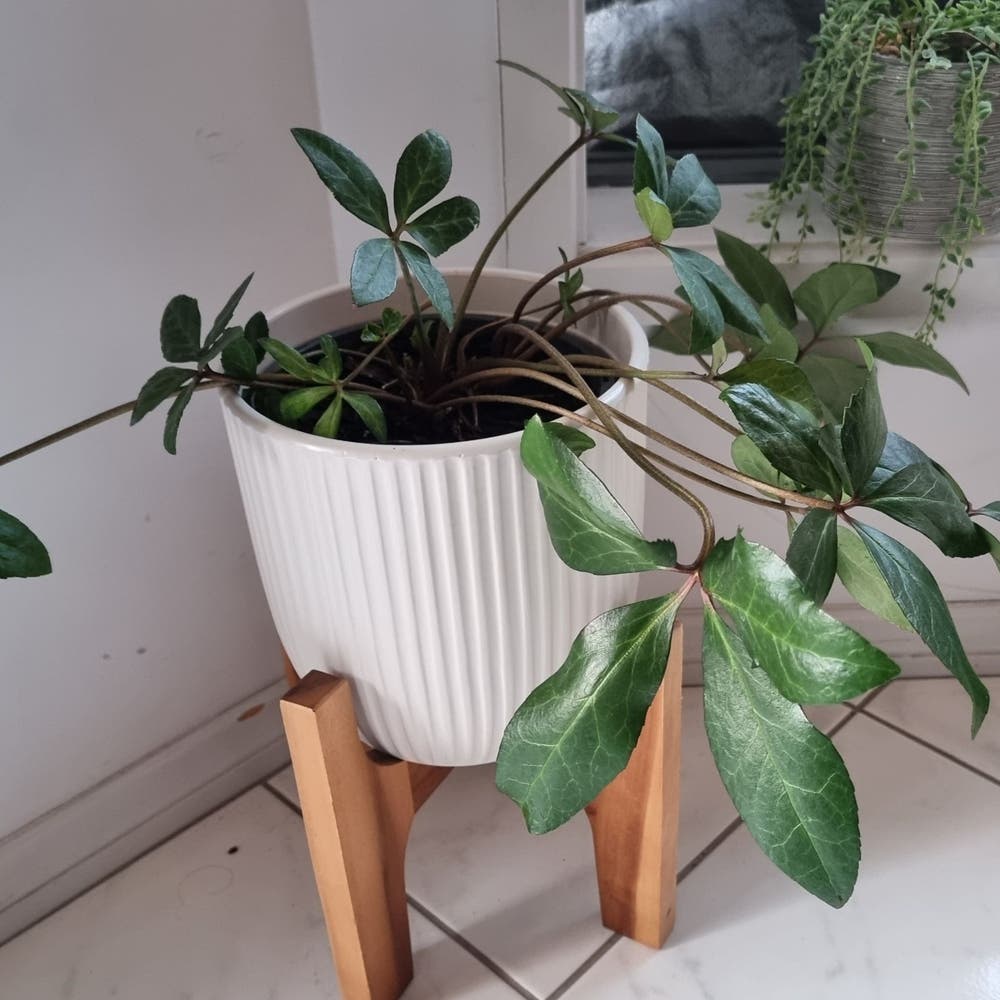
Best Soil Potting Mix for Lenten Rose
Helleborus orientalis
By the Greg Editorial Team
Jun 18, 2024•5 min read
This article was created with the help of AI so we can cover more plants for you. May contain errors. See one? Report it here.
Discover the secret to vibrant Lenten Roses 🌹 with this fail-proof soil potting mix guide for blooming success.
- 🌱 Organic matter, aeration, drainage are crucial for the ideal Lenten Rose mix.
- Adjust pH with sulfur or lime for healthier Lenten Roses.
- Seasonal soil adjustments enhance Lenten Rose vitality year-round.
Spotting and Fixing Soil No-Nos
🚩 Recognizing Signs of Distress in Soil
Mold on your Lenten Rose soil is like a flashing neon sign saying, "Help me!" Mold and a musty odor are distress calls. If water pools on the surface, it's a clear sign of poor drainage. Compacted soil is another red flag; it stifles roots like a tight collar on a shirt. Look out for leaves that are yellowing or browning; they're tattling on the soil's poor condition.
🛠 Quick Fixes for Unhappy Lenten Rose Soil
Drainage and aeration are the dynamic duo for soil revival. If your Lenten Rose is drowning in soggy soil, it's time to mix in some grit. Perlite, sand, or even small gravel can break up the muck. For aeration, think of it as giving your soil room to breathe; fluffy and light is the goal.
pH balance is like the soil's mood ring, and Lenten Roses prefer a slightly acidic to neutral range. If the leaves are lackluster, it might be time for a pH intervention. A sprinkle of sulfur can lower the pH, while lime can raise it. Remember, moderation is key; you're not seasoning a steak here.
Keep these tips in your back pocket, and your Lenten Rose will thank you with blooms that just don't quit.

The Perfect Potting Mix Recipe for Lenten Rose
🌱 Key Ingredients for Success
Creating the ideal potting mix for Lenten Rose hinges on three critical components: organic matter, aeration, and drainage.
🌿 Organic Matter
Organic matter is the lifeblood of your mix, providing nutrients and structure. Compost and pine bark are excellent choices; they're nutrient-dense and foster a friable texture that's ideal for root growth.
💨 Aeration Elements
Perlite or pumice are your go-to for aeration. They're like tiny air pockets, ensuring roots have space to breathe and preventing soil compaction.
🚰 Drainage Components
For drainage, coarse sand or granite grit are your allies. They ensure excess water flows through, dodging the dreaded root rot.
Mixing It Up at Home
Crafting your own Lenten Rose soil blend is a straightforward affair. Here's how to mix your masterpiece:
- Sanitize your tools and containers to prevent any unwanted microbial guests.
- Start with a base of 2 parts all-purpose potting soil, rich in nutrients and structure.
- Add 1 part perlite or pumice to keep the mix aerated.
- Mix in 1 part coarse sand or granite grit for impeccable drainage.
- For a nutrient boost, incorporate 1 part compost or ground pine bark.
- Optionally, add a sprinkle of worm castings for an extra nutrient kick.
- Mix thoroughly, like you're tossing a salad, ensuring even distribution.
- Fill pots, leaving space at the top for water to drain without spilling over.
- Water the mix well and allow it to drain, simulating a mini spa day for your soil.
Remember, the goal is to create a potting mix that feels like it has hit the jackpot of aeration, drainage, and nutrient content. Your Lenten Rose will thank you with vibrant blooms and robust health.

Choosing the Right Commercial Mix
🌱 What to Look for on the Label
When hunting for a commercial soil mix for your Lenten Rose, the label is your treasure map. Organic matter should be front and center—this is non-negotiable. Look for mixes that boast peat moss, composted bark, or coconut coir. These ingredients ensure moisture retention and provide a cozy bed for roots to spread out.
Drainage is another key player. Ingredients like perlite or sand should make the list, preventing your Lenten Rose from drowning in soggy soil. Weight is a telltale sign; a lighter bag often means better aeration, which your Lenten Rose will thank you for.
pH balance is crucial. A mix that's too acidic or alkaline can turn your Lenten Rose's life sour. Look for terms like "limestone" or "pH adjusted" to keep things in the sweet spot.
Lastly, don't overlook sterilization. Words like "pasteurized" or "sterilized" signal a battleground where harmful pathogens have been vanquished, safeguarding your plant's health.
🌿 Top Picks for Lenten Rose Enthusiasts
For those who prefer the path of least resistance, Miracle-Gro Indoor Potting Mix is a reliable ally, though be wary of its thirst for water. Rosy Soil stands out for the eco-conscious, waving the flag of peat-free sustainability. And if your green thumb is tinged with gold, Nature's Care Organic & Natural Potting Mix strikes a balance between eco-friendliness and plant vitality.
Remember, the perfect mix might still need a personal twist. Don't be afraid to play soil alchemist, tweaking the mix to cater to your Lenten Rose's diva demands. Whether it's a dash of extra perlite for breathability or a sprinkle of bone meal for a nutrient boost, your Lenten Rose will show its gratitude through vibrant blooms.

Keeping the Soil Prime Year-Round
🌱 Seasonal Adjustments for Ongoing Soil Health
Lenten Roses, like many perennials, thrive with seasonal soil adjustments. During the summer, increased water retention is key to combat the heat. Conversely, winter may call for a protective top layer of gravel to shield roots from cold and excess moisture.
🌿 Long-Term Soil Care for Perennial Success
Nutrient replenishment is a must for the Lenten Rose's long-term soil vitality. Annually, enrich the soil with organic matter such as compost. Regular pH testing is critical; aim for a slightly acidic to neutral range (6.0-7.0) to optimize nutrient uptake. If pH adjustment is needed, do so carefully to maintain this balance.
⚠️ Safety First
This content is for general information and may contain errors, omissions, or outdated details. It is not medical, veterinary advice, or an endorsement of therapeutic claims.
Always consult a qualified healthcare professional before using any plant as food, medicine, or supplement.
Never eat any plant (or feed one to pets) without confirming its identity with at least two trusted sources.
If you suspect poisoning, call Poison Control (800) 222-1222, the Pet Poison Helpline (800) 213-6680, or your local emergency service immediately.
Spotted an error? Please report it here.
Craft the ideal soil mix for a thriving Lenten Rose with Greg's personalized care plans 🌱, ensuring your blooms are as robust as your plant care knowledge!