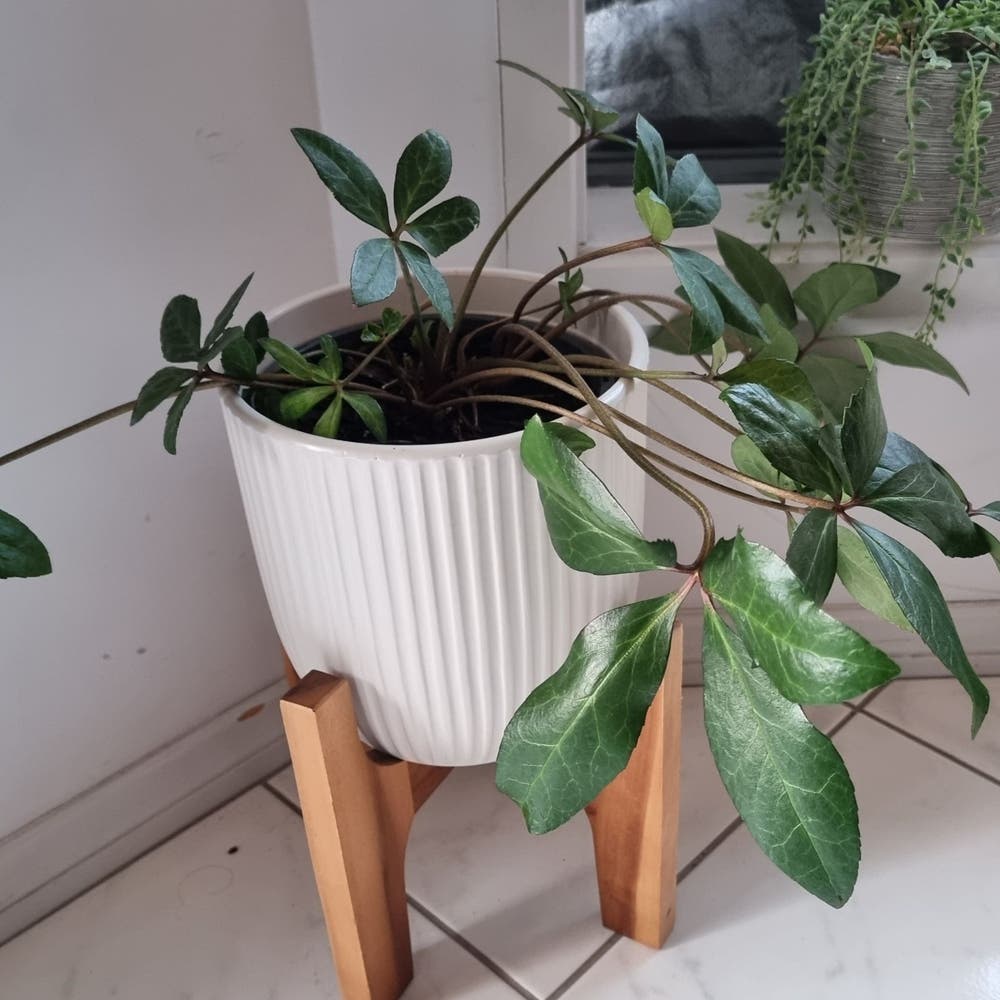
🌸 Step-by-Step Guide to Pollinating Purple Hellebore
Helleborus orientalis
By the Greg Editorial Team
Oct 19, 2024•6 min read
This article was created with the help of AI so we can cover more plants for you. May contain errors. See one? Report it here.
Discover how Purple Hellebore blooms 🌸 support pollinators and thrive in your garden with simple techniques!
- 🌸 Purple Hellebore attracts pollinators with its vibrant colors and unique flower structure.
- 🐝 Self-pollination ensures seed production, while cross-pollination boosts genetic diversity.
- 🌿 Creating a pollinator-friendly garden enhances pollination success and supports local ecosystems.
Flower Structure
Description of Flower Parts 🌸
Purple Hellebore flowers are a stunning sight, featuring cup-shaped petals that range from pristine white to deep, rich purple. The sepals, often mistaken for petals, add to the flower's visual appeal, creating a striking display that attracts attention.
Hidden within this beauty are the stamens, the male reproductive parts that produce pollen. The pistils, the female reproductive components, sit at the heart of the flower, ready to receive pollen for fertilization.
How Flower Structure Facilitates Pollination 🐝
The arrangement of these flower parts is cleverly designed to encourage pollinator access. This strategic layout not only makes it easy for pollinators to navigate but also maximizes the chances of successful pollen transfer.
Color and shape play crucial roles in attracting various pollinator species. Bright hues and unique forms signal to bees and butterflies that a rewarding nectar source awaits.
Additionally, Purple Hellebore has mechanisms that support both self-pollination and cross-pollination. This adaptability ensures that even in isolated environments, the plant can still produce seeds effectively.
Understanding the flower structure is essential for appreciating how these plants thrive in their ecosystems. With this knowledge, we can better support their growth and the vital pollinators that help them flourish.
Next, we’ll explore the fascinating pollination process, diving into the mechanisms of self-pollination and the role of key pollinators.
Pollination Process
🌸 Mechanisms of Self-Pollination
Purple Hellebore has a fascinating ability to self-pollinate. This occurs when the pollen from the stamens lands on the pistils within the same flower, ensuring seed production even in isolation.
Self-pollination is particularly beneficial in environments where pollinators are scarce. It guarantees that the plant can still reproduce, making it a resilient choice for gardeners in less-than-ideal conditions.
🐝 Role of Cross-Pollination and Primary Pollinators
While self-pollination is effective, cross-pollination enhances genetic diversity. Key pollinators like bees and butterflies play a crucial role in this process.
These pollinators are attracted to Purple Hellebore by its vibrant colors and sweet nectar. The timing of the bloom aligns perfectly with early pollinator activity, ensuring that these essential species are present when the flowers are ready to be fertilized.
By understanding both self and cross-pollination, you can appreciate the intricate relationships between plants and their pollinators. This knowledge not only enriches your gardening experience but also supports the broader ecosystem.
Natural Pollination
🌬️ Pollen Transfer Mechanisms
Pollination in Purple Hellebore primarily occurs through the transfer of pollen from the anthers to the stigmas. This process is crucial for fertilization and involves both wind and insect activity.
Insects, especially bees and butterflies, play a significant role in this transfer. As they visit the flowers for nectar, they inadvertently brush against the stamens, collecting pollen on their bodies. When they move to another flower, this pollen can be deposited onto the stigma, facilitating cross-pollination.
🌱 Importance of Pollination for Reproduction and Genetic Diversity
Successful pollination is vital for the reproductive success of Purple Hellebore. It directly impacts seed viability, ensuring that the next generation of plants is healthy and robust.
Moreover, cross-pollination enhances genetic diversity, which is essential for adapting to changing environmental conditions. A diverse gene pool increases resilience against diseases and pests, making the plant community stronger overall.
Understanding these mechanisms and their importance can inspire gardeners to create environments that support these natural processes. By fostering healthy pollination, you contribute to the vitality of your garden and the ecosystem at large.
As we explore the next section, we'll delve into the art of hand pollination, a valuable technique for ensuring the success of your Purple Hellebore plants.
Hand Pollination
Step-by-Step Instructions for Hand Pollination 🌼
Hand pollination can be a rewarding way to ensure your Purple Hellebore thrives. Follow these steps for effective hand pollination.
Identify Male and Female Flower Parts
Start by locating the stamens, which are the male parts, and the pistils, the female parts. The stamens are typically slender and hold the pollen, while the pistils are often more bulbous and located at the center of the flower.Collecting Pollen
Use a small brush or cotton swab to gather pollen from the stamens. This gentle approach minimizes damage to the flower while ensuring you collect enough pollen for effective transfer.Transferring Pollen
Gently apply the collected pollen to the stigma of the pistil. This step is crucial, as it allows the pollen to fertilize the ovules and promote seed development.Timing for Hand Pollination
Aim to perform hand pollination during peak bloom for maximum effectiveness. Flowers are most receptive at this time, increasing the chances of successful fertilization.
Identifying Male and Female Flower Parts 🔍
Understanding the visual characteristics of stamens and pistils is essential for successful hand pollination. Stamens are usually more elongated and may have a powdery appearance due to the pollen they produce.
Recognizing these parts not only aids in the hand pollination process but also enhances your overall gardening experience. Knowing your flowers fosters a deeper connection to the plants you nurture.
With these steps, you're well on your way to mastering hand pollination. Next, let’s explore how to create a pollinator-friendly environment to support your efforts.
Supporting Pollinators
🌼 Creating a Pollinator-Friendly Environment
To attract pollinators to your garden, start by enhancing the conditions they thrive in. Planting native species is crucial; these plants are adapted to local climates and provide essential food sources.
Additionally, ensure there are water sources available. A simple birdbath or shallow dish can make a significant difference in attracting bees and butterflies.
Avoid using pesticides that can harm beneficial insects. Instead, consider natural pest control methods to maintain a healthy ecosystem.
🌸 Companion Plants to Attract Pollinators
Companion planting can significantly enhance your garden's appeal to pollinators. Consider incorporating wildflowers, which not only add color but also attract a variety of pollinator species.
Other shade-loving plants can complement Purple Hellebore beautifully. For instance, plants like lungwort and bleeding heart are excellent choices that draw in bees and butterflies, creating a vibrant, pollinator-friendly environment.
By fostering a welcoming habitat, you can support the vital role of pollinators in your garden. This not only enhances the beauty of your space but also promotes healthy plant reproduction and biodiversity.
As you cultivate these conditions, you'll be setting the stage for the next section on pollination challenges, ensuring your efforts yield fruitful results.
Pollination Challenges
🌼 Common Obstacles to Successful Pollination
Pollination can be a tricky business for Purple Hellebore. Environmental factors like temperature fluctuations and humidity levels can disrupt the delicate balance needed for effective pollination.
Additionally, a decline in pollinator activity poses a significant challenge. Habitat loss and pesticide use have led to fewer bees and butterflies, which are crucial for transferring pollen.
🛠️ Solutions for Overcoming Pollination Challenges
Fortunately, there are strategies to enhance pollination success. Creating microhabitats can provide safe spaces for pollinators, encouraging them to thrive in your garden.
Timing is also essential. By aligning your planting and care routines with peak pollinator activity, you can significantly improve the chances of successful pollination.
With these proactive measures, you can help ensure that your Purple Hellebore not only survives but flourishes.
⚠️ Safety First
This content is for general information and may contain errors, omissions, or outdated details. It is not medical, veterinary advice, or an endorsement of therapeutic claims.
Always consult a qualified healthcare professional before using any plant as food, medicine, or supplement.
Never eat any plant (or feed one to pets) without confirming its identity with at least two trusted sources.
If you suspect poisoning, call Poison Control (800) 222-1222, the Pet Poison Helpline (800) 213-6680, or your local emergency service immediately.
Spotted an error? Please report it here.
Boost your Purple Hellebore's pollination success 🌸 by using Greg's tailored reminders and tips to attract pollinators and ensure a vibrant garden!