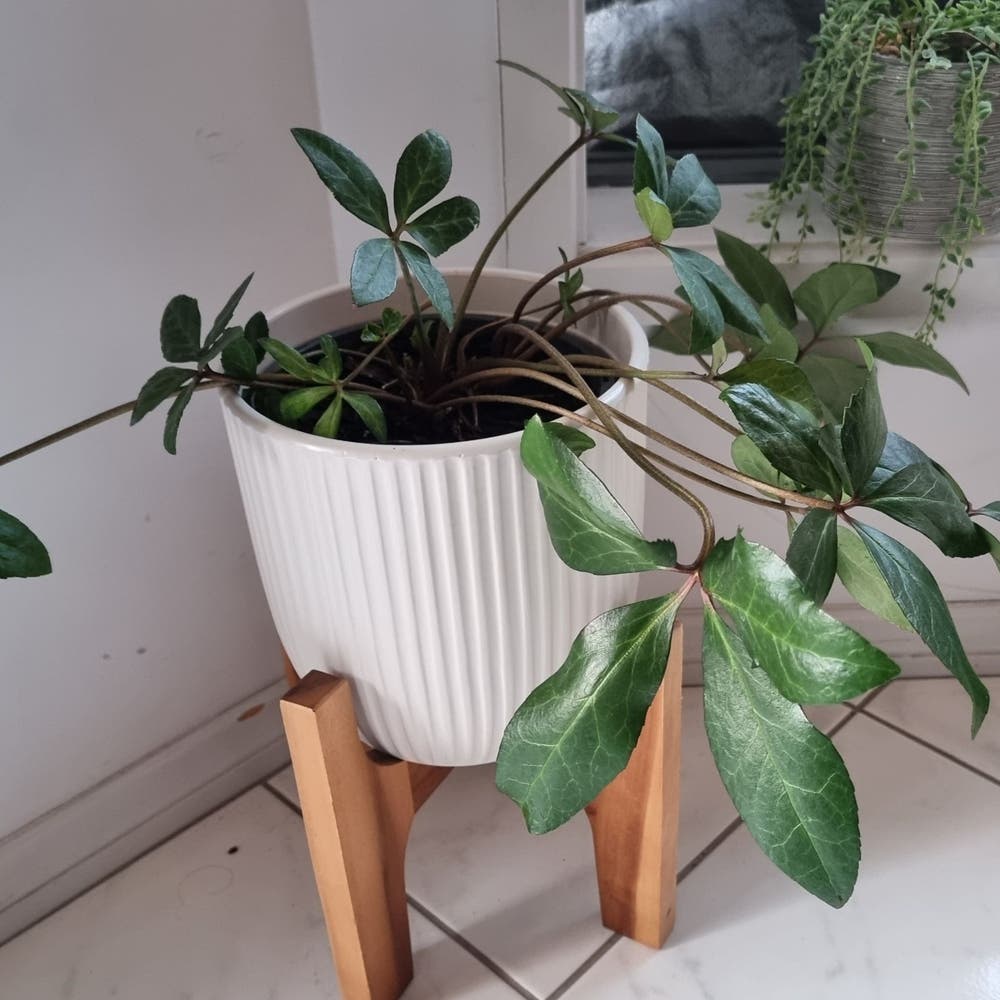
🌸 9 Ideal Locations to Plant Your Purple Hellebore
Helleborus orientalis
By the Greg Editorial Team
Oct 19, 2024•4 min read
This article was created with the help of AI so we can cover more plants for you. May contain errors. See one? Report it here.
Master the art of growing stunning purple hellebores 🌸 by optimizing their light, soil, and drainage needs for vibrant blooms! 🌱
- 🌞 Purple hellebores thrive in partial to full shade, needing 3-6 hours of indirect sunlight.
- 🌱 Well-drained, rich soil with pH 6.0-7.0 is crucial for hellebore health.
- 🌿 Spacing 12-18 inches apart promotes air circulation, preventing diseases in hellebores.
Sunlight Exposure Requirements
Optimal Light Conditions 🌤️
Purple hellebore thrives in partial to full shade, ideally receiving 3 to 6 hours of indirect sunlight each day. While they can tolerate dappled sunlight, full sun exposure can be challenging for them.
Early spring blooms are particularly sensitive to light conditions. They flourish under filtered light, but excessive sun can lead to wilting and diminish the quality of the flowers.
Understanding these light preferences is crucial for successful cultivation. By providing the right conditions, you can ensure your hellebores not only survive but also thrive, showcasing their stunning blooms for all to admire.
As you plan your garden layout, consider how sunlight patterns shift throughout the day. This awareness will help you choose the perfect spot for your purple hellebore, setting the stage for a vibrant display.
Next, let’s explore the soil type and conditions that will further enhance your hellebore's growth.
Soil Type and Conditions
Preferred Soil Characteristics 🌱
Purple hellebores thrive in well-drained, rich soil that’s packed with organic matter. This nutrient-rich environment is crucial for their growth and overall health.
Ideal pH Range ⚖️
Aim for a soil pH between 6.0 and 7.0. This range ensures optimal nutrient uptake, allowing your hellebores to flourish.
Enhancing Soil Quality 🌿
To boost soil quality, incorporate compost or well-rotted manure. These additions not only enrich the soil but also improve its structure, promoting better drainage and moisture retention.
Practical Tips for Soil Preparation 🛠️
- Test your soil pH before planting to ensure it falls within the ideal range.
- Regularly amend your soil with organic matter to maintain its richness.
By focusing on these soil characteristics, you set the stage for vibrant blooms and healthy plants.
Next, let’s explore the importance of drainage in creating the perfect environment for your purple hellebores.
Drainage Considerations
Importance of Drainage 🌧️
Purple hellebores thrive in well-drained soil, making drainage a critical factor in their health. These plants are sensitive to overly wet conditions, and root rot can quickly become a problem in poorly drained soil.
Strategies for Improving Drainage 🛠️
To ensure your hellebores flourish, consider these effective strategies:
Raised Beds or Mounds: Elevating your planting area helps facilitate water runoff. This simple adjustment can significantly reduce the risk of waterlogging.
Gravel or Sand: Incorporating gravel or sand into your planting holes can enhance drainage. This addition allows excess water to escape, creating a healthier environment for your plants.
By implementing these drainage strategies, you can create an ideal habitat for your purple hellebores, ensuring they remain vibrant and healthy.
Next, let’s explore how to assess microclimates in your garden to further optimize your planting conditions.
Proximity to Other Plants and Structures
🌱 Ideal Spacing and Considerations
When planting your purple hellebore, aim for a spacing of at least 12-18 inches apart. This distance is crucial for allowing air circulation, which helps prevent diseases and promotes healthy growth.
Avoid placing hellebores too close to walls or structures that reflect excessive heat. Instead, consider using them as border plants in shaded garden beds or alongside pathways, where they can thrive without the stress of heat exposure.
By giving your hellebores the right space and environment, you’ll encourage their stunning blooms to flourish. This thoughtful placement not only enhances their beauty but also contributes to a healthier garden ecosystem.
As you plan your garden layout, keep these spacing tips in mind to ensure your hellebores have the best chance to thrive. Next, let’s explore how to assess microclimates in your garden for optimal plant health.
Assessing Microclimates in Your Garden
🌤️ Understanding Microclimates
Microclimates are the unique environmental conditions in specific areas of your garden. They can vary significantly in light, temperature, and moisture levels, affecting how well your plants thrive.
🔍 Techniques for Assessment
To effectively assess microclimates, start by identifying different zones in your garden. Look for areas that receive varying amounts of sunlight throughout the day.
Observe Sun Patterns: Spend time watching how sunlight moves across your garden. Note which areas get full sun, partial shade, or full shade at different times.
Monitor Moisture Retention: Check how quickly the soil dries out in various spots. Some areas may retain moisture longer, while others dry out quickly.
📝 Practical Tips
Use a Soil Moisture Meter: This tool can help you gauge moisture levels in different areas, giving you a clearer picture of your garden's microclimates.
Keep a Garden Journal: Document your observations over time. This will help you make informed decisions about where to plant your purple hellebore.
Understanding microclimates is essential for creating a thriving garden. By assessing these unique areas, you can ensure your plants receive the right conditions for optimal growth.
As you explore these microclimates, consider how they interact with other factors like soil type and drainage. This holistic approach will enhance your gardening success.
⚠️ Safety First
This content is for general information and may contain errors, omissions, or outdated details. It is not medical, veterinary advice, or an endorsement of therapeutic claims.
Always consult a qualified healthcare professional before using any plant as food, medicine, or supplement.
Never eat any plant (or feed one to pets) without confirming its identity with at least two trusted sources.
If you suspect poisoning, call Poison Control (800) 222-1222, the Pet Poison Helpline (800) 213-6680, or your local emergency service immediately.
Spotted an error? Please report it here.
Maximize your purple hellebore's beauty by planting it in the perfect spot, and let Greg guide you with customized care tips and soil moisture insights for thriving blooms! 🌸