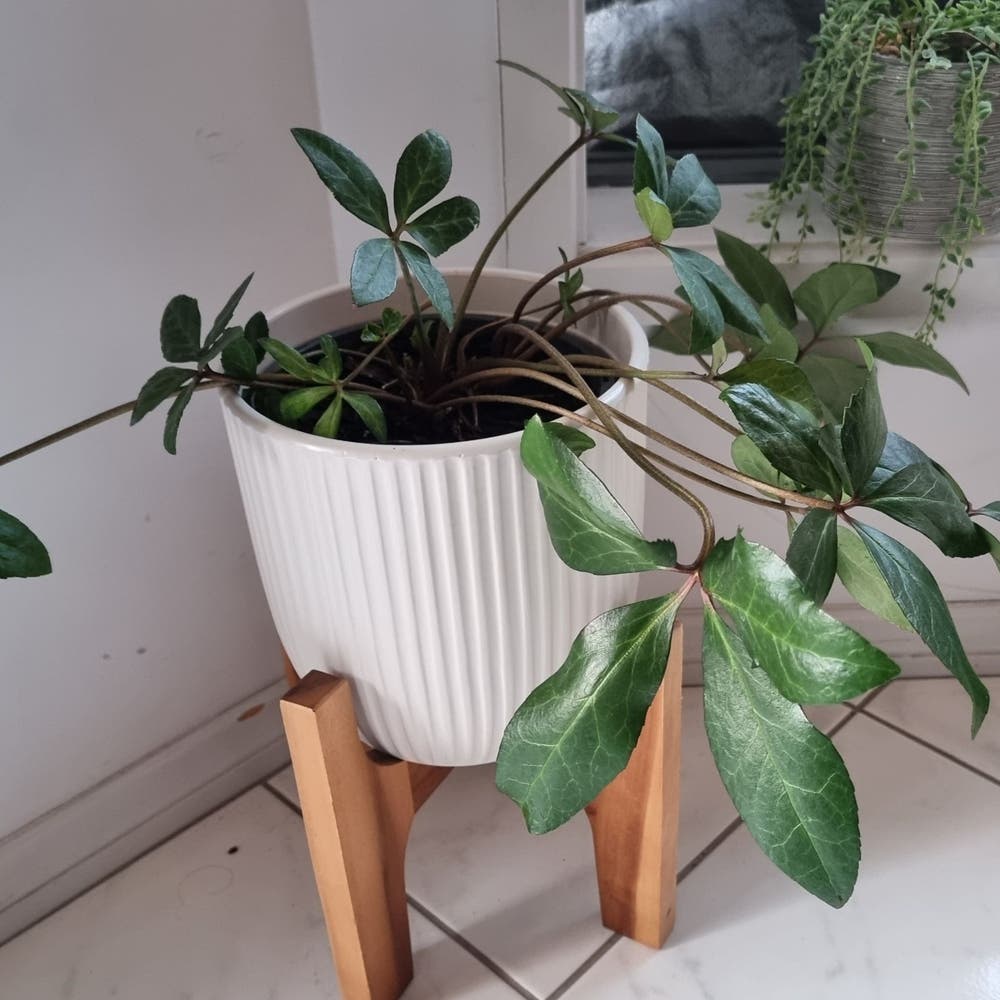
🦋 How to Cure Curling Leaves on Your Purple Hellebore
Helleborus orientalis
By the Greg Editorial Team
Oct 19, 2024•5 min read
This article was created with the help of AI so we can cover more plants for you. May contain errors. See one? Report it here.
Revive your purple hellebore's health 🌿 by quickly diagnosing and treating curling leaves for vibrant growth!
- 🌡️ Optimal temperatures for purple hellebores are 60°F to 75°F (15°C to 24°C).
- 🐛 Curling leaves indicate stress from pests, diseases, or nutrient deficiencies.
- 🌱 Regular inspections and balanced nutrients are vital for healthy hellebore growth.
Causes of Curling Leaves
🌡️ Environmental Stress Factors
Temperature extremes can wreak havoc on your purple hellebore. Ideally, these plants thrive in temperatures between 60°F to 75°F (15°C to 24°C). When temperatures stray too far from this range, you'll notice symptoms like leaf curling and discoloration.
Humidity levels also play a crucial role in your plant's health. Purple hellebores prefer moderate humidity, ideally between 40%-60%. Low humidity can lead to leaf desiccation, resulting in curling leaves that signal distress.
🐞 Pests Affecting Hellebore
Aphids
Aphids are small, green or black insects that often invade new growth. If you spot these pests, look for curling leaves and a sticky residue known as honeydew, which indicates an infestation.
Spider Mites
Spider mites are tiny, spider-like creatures that can be hard to detect. Their presence is often revealed through fine webbing and symptoms like yellowing and curling leaves, along with reduced plant vigor.
🍄 Fungal Infections
Powdery Mildew
Powdery mildew manifests as white, powdery spots on leaves. This fungal infection thrives in high humidity and poor air circulation, making it essential to monitor your plant's environment.
Root Rot
Root rot is another serious concern, characterized by wilting and yellowing leaves, along with decaying roots. Overwatering and poorly draining soil are the primary culprits behind this condition.
🥦 Nutrient Deficiencies
Nitrogen Deficiency
A nitrogen deficiency can lead to yellowing leaves and stunted growth. Nitrogen is vital for foliage health, so keeping your soil nutrient-rich is essential.
Potassium Deficiency
Potassium deficiency often results in leaf curling and browning edges. This nutrient is crucial for overall plant vigor, so ensure your hellebore receives adequate potassium for optimal growth.
Understanding these causes is the first step in addressing curling leaves on your purple hellebore. Next, we'll explore how to diagnose the specific issues affecting your plant.
Diagnosing Curling Leaves
Identifying Symptoms of Leaf Curl 🌿
Curling leaves can be a distress signal from your purple hellebore. Look for visual signs like curling, discoloration, and wilting; these are crucial indicators that something is amiss.
Early detection is key for effective treatment. The sooner you identify the issue, the better your chances of restoring your plant's health.
Differentiating Between Pest Damage and Disease 🐛
Understanding whether your hellebore is suffering from pests or disease is essential. Pest damage often presents with visible insects and sticky residue, while disease symptoms may include fungal growth and discoloration without any pests in sight.
This distinction can guide your treatment approach, ensuring you tackle the right problem.
Assessing Environmental Conditions 🌍
Environmental factors play a significant role in leaf health. Start by evaluating temperature and humidity levels; your hellebore thrives best in moderate conditions.
Next, check the soil moisture and drainage quality. Poor drainage can lead to root problems, exacerbating leaf curling issues.
By carefully assessing these conditions, you can pinpoint the root cause of your plant's distress and take appropriate action.
Treatment Options
🌱 Organic Pest Control Methods
Organic pest control is a fantastic way to tackle issues without harsh chemicals.
Insecticidal Soap
Insecticidal soap is effective against pests like aphids. Apply it directly to affected areas, ensuring thorough coverage, and repeat every 7 to 10 days until the problem subsides.
Neem Oil
Neem oil is another excellent option. It disrupts the life cycle of pests and can be applied every two weeks for best results.
🍄 Fungicide Application for Fungal Issues
Fungal infections can wreak havoc on your hellebore.
Types of Fungicides
You have the choice between organic and synthetic fungicides. Organic options are generally safer for the environment, while synthetic ones may offer quicker results.
Application Timing
For maximum effectiveness, apply fungicides during dry weather. Repeat applications every 7 to 14 days, especially after rainfall.
💧 Adjusting Watering Practices
Watering is crucial for plant health, but balance is key.
Ideal Watering Schedule
Aim for consistent moisture without waterlogging. Water when the top inch of soil feels dry, ensuring your hellebore thrives.
Signs of Overwatering vs. Underwatering
Watch for wilting leaves as a sign of underwatering, while yellowing leaves often indicate overwatering. Adjust your schedule accordingly.
🌼 Fertilization Techniques to Address Nutrient Deficiencies
Proper fertilization can rejuvenate your hellebore.
Recommended Fertilizers
Use a balanced NPK fertilizer to provide essential nutrients. Look for ratios like 10-10-10 or 20-20-20 for optimal results.
Application Timing
Apply fertilizers in early spring and again mid-season to support growth. This timing helps your hellebore flourish throughout the growing season.
With these treatment options, you can effectively address curling leaves on your purple hellebore. Next, let’s explore preventative measures to keep your plants healthy year-round.
Preventative Measures
Best Practices for Hellebore Care 🌱
To keep your purple hellebore thriving, start with soil preparation. Use well-draining, rich soil to prevent waterlogging and promote healthy root growth.
Regular maintenance is crucial too. Pruning dead leaves and cleaning debris helps improve airflow, reducing the risk of fungal infections.
Regular Monitoring for Pests and Diseases 🔍
Inspection frequency is key. Aim for weekly checks during the growing season to catch any issues early.
Look for signs like discoloration, pests, or fungal growth. Early detection can save your plants from serious damage.
Seasonal Adjustments in Care 🌦️
Tailor your care practices to the seasons. Adjusting watering and fertilization based on growth stages ensures your hellebore gets what it needs when it needs it.
This proactive approach will help maintain plant health and vigor throughout the year. By staying attentive and responsive, you can enjoy a flourishing hellebore garden.
⚠️ Safety First
This content is for general information and may contain errors, omissions, or outdated details. It is not medical, veterinary advice, or an endorsement of therapeutic claims.
Always consult a qualified healthcare professional before using any plant as food, medicine, or supplement.
Never eat any plant (or feed one to pets) without confirming its identity with at least two trusted sources.
If you suspect poisoning, call Poison Control (800) 222-1222, the Pet Poison Helpline (800) 213-6680, or your local emergency service immediately.
Spotted an error? Please report it here.
Combat curling leaves on your purple hellebore with proactive care 🌿—let Greg guide you with tailored reminders and tips for a flourishing garden!