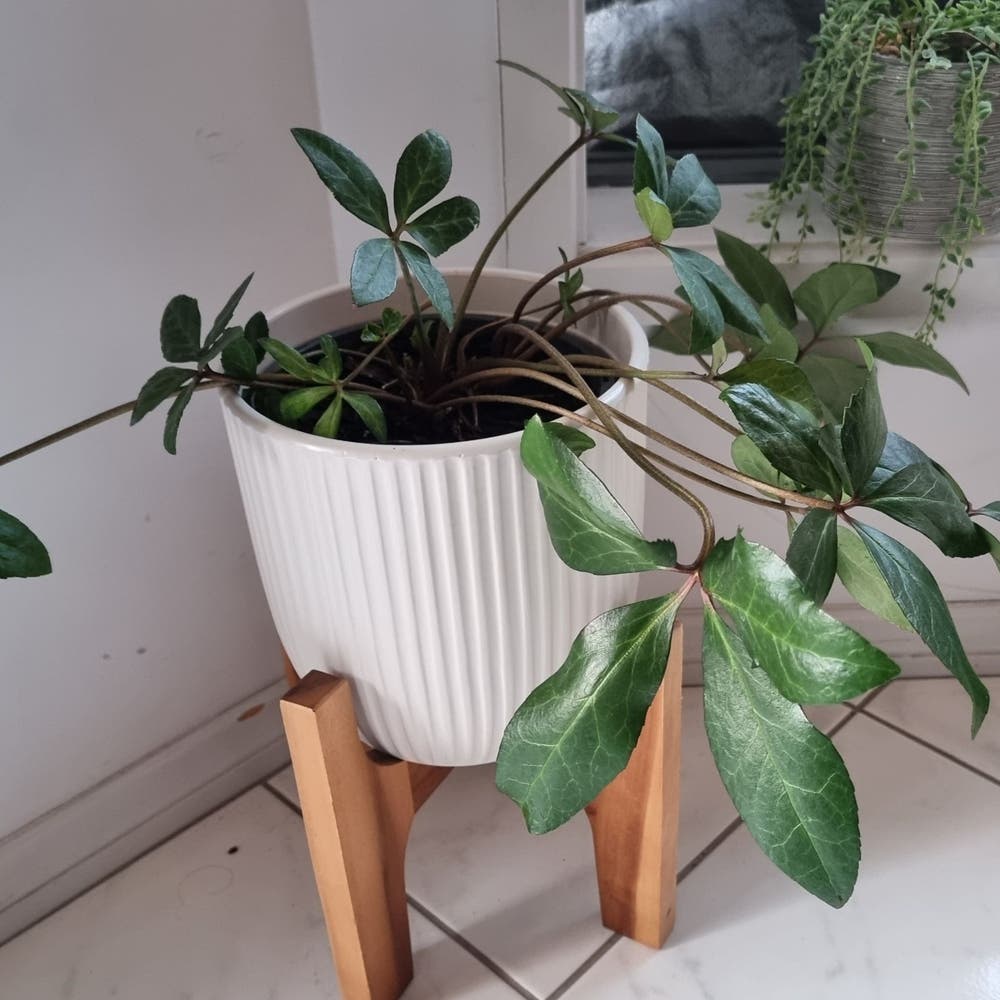
🌸 7 Tips for Propagating Your Purple Hellebore
Helleborus orientalis
By the Greg Editorial Team
Oct 19, 2024•4 min read
This article was created with the help of AI so we can cover more plants for you. May contain errors. See one? Report it here.
Elevate your garden with vibrant purple hellebores 🌼 using these easy propagation techniques for stunning blooms!
- 🌱 Collect seeds in late spring for successful purple hellebore propagation.
- 🌡️ Maintain 60°F to 70°F for optimal germination of hellebore seeds.
- ✂️ Use clean tools when dividing plants to ensure healthy replanting.
Propagating from Seeds
🌱 Step-by-Step Instructions for Seed Collection
Timing is crucial when collecting seeds from your purple hellebore. Aim to gather them in late spring to early summer, once the seed pods have dried out.
To start, identify mature seed pods by looking for brown, dry ones. Once you've found them, gently open the pods and collect the seeds inside. After harvesting, clean the seeds by removing any debris or chaff to ensure they’re ready for germination.
🌼 Germination Process and Conditions
Germination can take anywhere from 30 to 90 days, depending on the conditions you provide.
For optimal results, maintain a temperature between 60°F to 70°F (15°C to 21°C). Use a well-draining seed-starting mix with a slightly acidic to neutral pH (6.0 to 7.0) for the best soil conditions.
Light is also a key factor; ensure your seeds receive indirect light. Avoid direct sunlight, as it can lead to overheating and hinder germination.
With these steps, you’ll be well on your way to successfully propagating your purple hellebore from seeds. Next, let’s explore how to propagate by division, an easier method that can yield quick results.
Propagating by Division
Best Time for Division 🌱
The best time to divide your purple hellebore is during early spring or late summer. This timing aligns with the plant's active growth phase, ensuring a smoother transition for the divided sections.
Step-by-Step Division Process ✂️
Prepare tools: Start with a clean, sharp spade or garden fork to minimize damage.
Dig around the plant: Carefully lift the entire clump from the ground, taking care not to disturb the roots too much.
Divide the root ball: Use your spade to cut the root ball into sections. Each section should have both roots and shoots for the best chance of survival.
Replant immediately: Space the divisions 12-18 inches apart in well-draining soil. This gives each new plant room to thrive.
Dividing your purple hellebore not only helps propagate the plant but also rejuvenates it, promoting healthier growth. With the right timing and technique, you can enjoy a flourishing garden filled with these stunning blooms.
Next, let’s explore how to propagate your hellebore from cuttings, another effective method to expand your collection.
Propagating from Cuttings
🌱 Ideal Cutting Techniques
The best time to propagate purple hellebore from cuttings is during late spring to early summer, when the plant is in its active growth phase. Start by selecting healthy stems that are 4-6 inches long and have several leaves.
Next, make a clean cut just below a leaf node using sharp scissors or pruning shears. This ensures a better chance of successful rooting.
🌿 Rooting Hormone Application
To promote root development, dip the cut end of each cutting in rooting hormone. This step can significantly increase your success rate, giving your cuttings a head start.
🪴 Care for Cuttings Until Established
Once you've prepared your cuttings, plant them in a well-draining potting mix. Water them lightly and cover with a plastic bag or humidity dome to maintain moisture.
Place the cuttings in indirect light and keep an eye on moisture levels. Roots typically develop within 4-6 weeks, so patience is key during this exciting phase of propagation.
With the right care, you'll soon have new plants ready to thrive in your garden. Now, let’s explore the best timing and conditions for successful propagation.
Timing and Conditions for Propagation
🌱 Best Seasons for Propagation
Spring is the prime time for propagating your purple hellebore. This season is perfect for both seed sowing and division, as the plants are actively growing and ready to thrive.
Late spring to early summer is your window for taking cuttings. During this period, the plant is at its most vigorous, ensuring your cuttings have the best chance of success.
🌞 Environmental Conditions for Successful Propagation
Light plays a crucial role in the propagation process. For both seedlings and cuttings, indirect sunlight is essential to prevent overheating and promote healthy growth.
Temperature is another key factor. Aim to maintain a consistent range of 60°F to 70°F (15°C to 21°C) for optimal germination and rooting.
Humidity is particularly important for cuttings. High humidity levels help retain moisture, so consider using a humidity dome to create a nurturing environment.
Understanding these timing and environmental conditions will set you up for successful propagation. With the right approach, your purple hellebore can flourish and bring beauty to your garden.
Next, let’s explore the tools and materials you'll need for effective propagation.
⚠️ Safety First
This content is for general information and may contain errors, omissions, or outdated details. It is not medical, veterinary advice, or an endorsement of therapeutic claims.
Always consult a qualified healthcare professional before using any plant as food, medicine, or supplement.
Never eat any plant (or feed one to pets) without confirming its identity with at least two trusted sources.
If you suspect poisoning, call Poison Control (800) 222-1222, the Pet Poison Helpline (800) 213-6680, or your local emergency service immediately.
Spotted an error? Please report it here.
Propagating your purple hellebore is easier than you think 🌱—let Greg guide you with personalized reminders and expert tips to ensure your seeds and cuttings flourish!