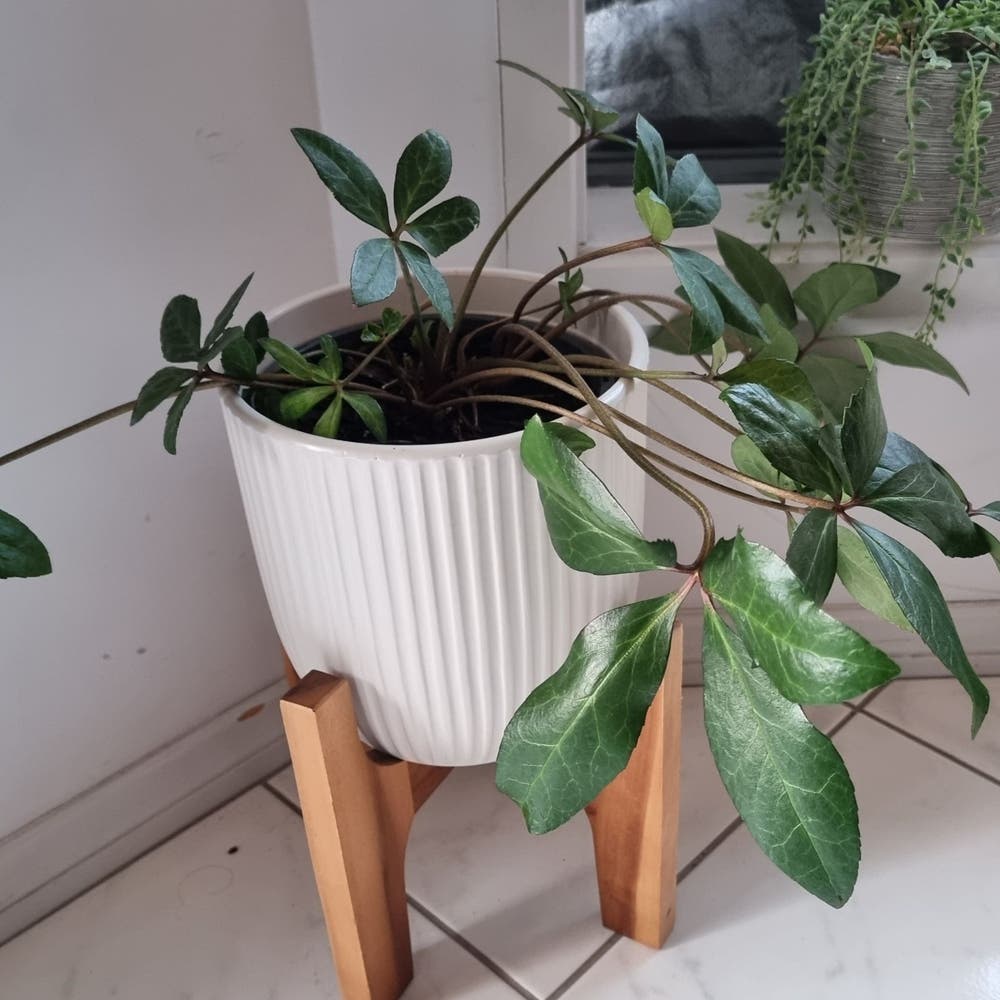
💜 Top 10 Pot Features Your Purple Hellebore Will Love
Helleborus orientalis
By the Greg Editorial Team
Oct 19, 2024•7 min read
This article was created with the help of AI so we can cover more plants for you. May contain errors. See one? Report it here.
Unlock your Purple Hellebore's full potential 🌱 by mastering the art of pot size and material selection!
- 🌱 Pot size impacts growth - start small and upgrade as your Hellebore matures.
- 💧 Drainage holes are crucial - prevent waterlogging to ensure healthy roots and blooms.
- 🏺 Choose pot materials wisely - clay cools roots, while plastic is lightweight and versatile.
Importance of Pot Size for Growth Stages
📏 Recommended Pot Sizes
When it comes to potting your Purple Hellebore, size matters. For seedlings, an ideal container size is 4-6 inches in diameter. Starting small encourages robust root development, setting the stage for healthy growth.
As your plants mature, they’ll need more space. A recommended container size of 10-12 inches in diameter ensures enough room for root expansion, allowing your Hellebores to thrive.
For established plants, opt for a larger pot, around 14-16 inches in diameter. This accommodates their larger root systems as they mature, promoting overall plant health.
🌱 Growth Stage Considerations
Pot size significantly impacts nutrient uptake and water retention. Larger pots can hold more soil, which means more nutrients and moisture for your plants.
Moreover, the relationship between pot size and overall plant vigor is crucial. A well-sized pot supports stronger growth, leading to more vibrant blooms and healthier foliage. Choosing the right pot size at each growth stage is essential for your Hellebore's success.
Understanding these factors will help you make informed decisions, ensuring your plants flourish beautifully.
Pot Materials
🌱 Benefits of Clay Pots
Clay pots are a gardener's best friend. Their natural breathability allows for excellent moisture regulation, keeping your Purple Hellebore's roots happy and healthy.
The aesthetic appeal of clay pots adds a rustic charm to your garden. Plus, their weight provides stability, preventing tipping in windy conditions.
🪴 Advantages of Plastic Pots
Plastic pots are lightweight and a breeze to move around. They are also cost-effective and come in a variety of sizes, making them a versatile choice for any gardener.
While they retain moisture and nutrients well, be cautious; inadequate drainage can lead to root rot. Always check for proper drainage to keep your plants thriving.
⚖️ Comparison of Other Materials
Ceramic Pots
Ceramic pots offer attractive designs and good insulation for your plants. However, they tend to be heavier and can be more expensive, which might not suit every budget.
Metal Pots
Metal pots bring a modern look and durability to your gardening setup. But beware—they can heat up quickly, potentially harming your Hellebore's roots if left in direct sunlight for too long.
Choosing the right pot material is crucial for the health of your Purple Hellebore. Each option has its pros and cons, so consider your plant's needs and your gardening style carefully.
Next, let’s explore the importance of drainage considerations to ensure your plants thrive.
Drainage Considerations
Importance of Drainage Holes 🌧️
Drainage holes are crucial for preventing waterlogging in your pots. They allow excess water to escape, ensuring that your Purple Hellebore's roots don't sit in soggy soil.
Proper drainage maintains optimal soil moisture levels, which is vital for healthy growth. Without it, your plant may struggle to absorb nutrients effectively.
Ensuring Proper Drainage in Pots 🏺
To enhance drainage, start with potting soil specifically designed for Hellebores. This type of soil often contains components that promote aeration and moisture retention.
Consider adding perlite or sand to your potting mix. These materials improve soil aeration, helping roots breathe and preventing compaction.
Elevating pots slightly can also aid drainage. This simple practice allows excess water to escape, reducing the risk of root rot.
Signs of Poor Drainage and Their Impact 🚨
Watch for symptoms of overwatering, such as yellowing leaves and wilting. These signs indicate that your plant is struggling due to excess moisture.
Long-term poor drainage can severely impact root health and overall plant vitality. If left unaddressed, it may lead to stunted growth and even plant death.
Understanding these drainage considerations is essential for keeping your Purple Hellebore thriving. Next, let’s explore the best practices for repotting your plant to ensure it continues to flourish.
Repotting Guidelines
When to Repot 🌱
Recognizing when to repot your Purple Hellebore is crucial for its health. Look for signs like roots growing out of drainage holes, indicating root-bound conditions, or stunted growth and poor flowering, which suggest the plant is outgrowing its current pot.
Step-by-Step Guide to Repotting 🛠️
Repotting can be straightforward if you follow these steps:
- Choose the right time: Aim for early spring, just before new growth begins.
- Select a pot: Choose one that is 2 inches larger in diameter than the current pot.
- Remove the plant: Carefully take the plant out of its pot, loosening the root ball gently.
- Transfer to the new pot: Place the plant in the new container and fill it with fresh potting soil.
- Water thoroughly: This helps settle the soil around the roots.
Choosing the Right Pot During Repotting 🪴
When selecting a new pot, consider size, material, and drainage features. Matching these characteristics to your Hellebore's needs ensures optimal growth and health.
Repotting is not just a chore; it’s an opportunity to give your plant a fresh start. By following these guidelines, you can help your Purple Hellebore thrive in its new home. Next, let’s explore how the choice of pot can significantly impact your plant's growth.
Impact of Pot Choice on Growth
🌱 How Pot Choice Affects Root Health
The material of your pot plays a crucial role in regulating root temperature. For instance, clay pots offer breathability, helping to keep roots cool, while metal pots can heat up quickly, potentially harming your plants.
Pot size is equally important for root expansion. A larger pot allows roots to spread out, promoting healthier growth and reducing the risk of becoming root-bound.
💧 Influence of Pot Size on Water Retention and Nutrient Availability
Larger pots have a significant advantage in moisture retention. This means you can water less frequently, which is a game-changer for busy gardeners.
Nutrient availability also correlates with pot size. More soil volume means more nutrients, giving your Purple Hellebore the best chance to thrive.
🪴 Long-Term Effects of Pot Material on Plant Growth
The durability of pot materials can affect how often you need to repot. For example, plastic pots may last longer than ceramic ones, but they can also degrade over time.
Choosing the right material can influence your plant's growth trajectory. A well-chosen pot can minimize stress and promote a healthier, more vibrant plant.
In summary, the right pot choice is essential for your Purple Hellebore's health and growth. Next, let’s explore common mistakes and solutions to ensure your plants thrive.
Common Mistakes and Solutions
Common Potting Mistakes 🌱
One of the most frequent errors is overlooking drainage needs. Choosing pots without adequate holes can lead to waterlogged soil, which is detrimental to your Purple Hellebore.
Another common mistake is selecting pots that are too small for mature plants. This can stunt growth and hinder the plant's overall health.
Solutions for Pot-Related Issues 🛠️
To correct drainage problems, ensure your pots have sufficient drainage holes. If you notice water pooling at the bottom, consider repotting into a container designed for optimal drainage.
When transitioning to larger pots, choose one that is at least 2 inches wider in diameter. This allows for proper root expansion and promotes healthy growth.
Tips for Maintaining Healthy Pots 🧼
Regular cleaning of pots is essential to prevent disease. A quick rinse with soapy water can eliminate any lingering pathogens.
Monitoring soil moisture levels is also crucial. Adjust your watering practices based on the season and the plant's needs to keep your Hellebore thriving.
With these tips, you can avoid common pitfalls and ensure your Purple Hellebore flourishes in its pot. Next, let’s explore how the choice of pot can significantly impact your plant's growth.
⚠️ Safety First
This content is for general information and may contain errors, omissions, or outdated details. It is not medical, veterinary advice, or an endorsement of therapeutic claims.
Always consult a qualified healthcare professional before using any plant as food, medicine, or supplement.
Never eat any plant (or feed one to pets) without confirming its identity with at least two trusted sources.
If you suspect poisoning, call Poison Control (800) 222-1222, the Pet Poison Helpline (800) 213-6680, or your local emergency service immediately.
Spotted an error? Please report it here.
Give your Purple Hellebore the perfect potting paradise 🌿 with Greg's tailored reminders and tips for optimal care, ensuring it thrives beautifully in your home!