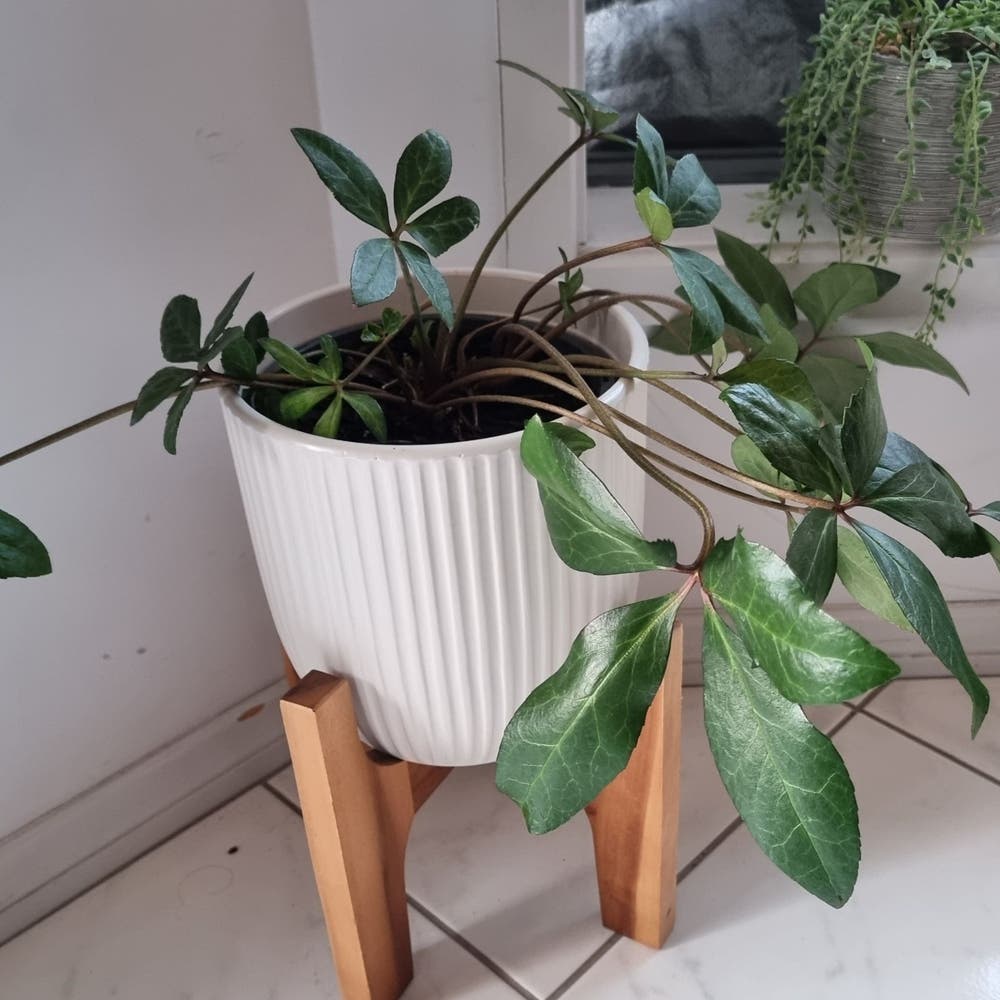
🌸 5 Common Purple Hellebore Flowering Issues
Helleborus orientalis
By the Greg Editorial Team
Oct 19, 2024•4 min read
This article was created with the help of AI so we can cover more plants for you. May contain errors. See one? Report it here.
Revitalize your purple hellebores 🌸 by solving common blooming issues for stunning flowers all season long!
- 🌞 Purple hellebores need 4-6 hours of indirect sunlight for optimal blooming.
- 🌱 Poor soil and overwatering can hinder flowering; ensure good drainage and nutrition.
- 🌿 Regular pest checks and pruning enhance health and promote vibrant blooms.
Failure to Bloom
🌞 Causes
Insufficient Light
Purple hellebores thrive in shaded woodland areas. When they don’t receive enough sunlight, their blooming can be severely inhibited.
Poor Soil Conditions
Soil that lacks organic matter or is overly compacted can negatively impact root health. This, in turn, affects the plant's ability to flower.
Age of the Plant
Younger hellebores may take longer to establish themselves. As a result, they often bloom later than their mature counterparts.
💡 Solutions
Adjusting Light Exposure
To encourage blooming, ensure your hellebore receives 4-6 hours of indirect sunlight daily. This balance helps the plant gather the energy it needs.
Improving Soil Quality
Incorporate well-draining, rich organic matter into the soil. This enhancement will improve soil structure and promote healthier roots.
Fertilization
Using a balanced fertilizer in early spring can make a significant difference. It supports healthy growth and encourages blooming as the season progresses.
By addressing these common issues, you can help your purple hellebores thrive and bloom beautifully. Next, let’s explore the problem of premature flower drop and how to tackle it effectively.
Premature Flower Drop
🌪️ Causes
Environmental Stress
Sudden temperature changes or extreme weather can shock your hellebores, causing them to drop buds prematurely. Keeping an eye on the weather can help you anticipate these stressors.
Overwatering
Too much moisture can lead to root stress, resulting in flowers dropping before they fully bloom. It's essential to find that sweet spot in watering to keep your plants happy.
Pest Infestations
Pests like aphids can sap the strength of your hellebores, leading to premature flower loss. Regular checks can help you catch these invaders early.
🛠️ Solutions
Proper Watering Techniques
Water your hellebores only when the top inch of soil feels dry. This practice helps prevent waterlogging and keeps roots healthy.
Pest Management Strategies
Inspect your plants regularly for pests. If you spot any, consider using insecticidal soap or neem oil to keep them at bay.
By addressing these issues, you can help your purple hellebores thrive and enjoy their stunning blooms. Next, let’s explore abnormal flower development and how to tackle it effectively.
Abnormal Flower Development
🌱 Causes
Nutritional Imbalances
A lack of essential nutrients can lead to malformed flowers or poor bloom quality. Your hellebores may not be getting the right balance of nitrogen, phosphorus, and potassium, which are crucial for vibrant blooms.
Disease
Fungal diseases, particularly root rot, can severely impact plant health and flower development. If your plants are wilting or showing signs of distress, disease could be the culprit.
Genetic Factors
Some hellebores may naturally produce abnormal flowers due to genetic predisposition. This means that even with perfect care, certain plants might not bloom as expected.
🛠️ Solutions
Soil Testing
Conducting a soil test is the first step to identifying nutrient deficiencies and pH levels. This will give you a clear picture of what your plants need to thrive.
Appropriate Fertilization
Once you have your soil test results, apply specific fertilizers to correct any imbalances. Tailoring your fertilization strategy can significantly enhance flower quality.
Disease Control
Implement preventive measures to reduce disease risk. Proper watering techniques and adequate spacing between plants can help keep your hellebores healthy and blooming beautifully.
By addressing these factors, you can encourage your hellebores to develop stunning flowers. Next, let’s explore how environmental factors, such as light and nutrition, impact their growth and blooming potential.
Impact of Environmental Factors
Light Requirements 🌞
Adequate sunlight is essential for purple hellebore blooming. These plants thrive on the energy provided by light, which fuels their flower production.
However, finding the right balance is crucial. Too much direct sunlight can scorch the leaves, while insufficient light can halt blooming altogether.
Nutritional Needs 🍽️
Key nutrients play a significant role in the health of your hellebores. Nitrogen, phosphorus, and potassium are vital for producing vibrant blooms.
Watch for signs of nutrient deficiencies. Yellowing leaves, stunted growth, and poor flower quality can indicate that your plants need a nutritional boost.
Pruning Techniques ✂️
Pruning is a powerful tool to encourage blooming. Best practices include removing dead or damaged foliage to enhance airflow and light penetration.
Timing is everything. Prune in late winter or early spring, just before new growth begins, to maximize your plants' flowering potential.
These environmental factors are essential for maintaining healthy purple hellebores. Understanding how light, nutrition, and pruning affect your plants will set you up for success in your gardening journey. Next, let’s explore common flowering issues and their solutions.
⚠️ Safety First
This content is for general information and may contain errors, omissions, or outdated details. It is not medical, veterinary advice, or an endorsement of therapeutic claims.
Always consult a qualified healthcare professional before using any plant as food, medicine, or supplement.
Never eat any plant (or feed one to pets) without confirming its identity with at least two trusted sources.
If you suspect poisoning, call Poison Control (800) 222-1222, the Pet Poison Helpline (800) 213-6680, or your local emergency service immediately.
Spotted an error? Please report it here.
Unlock blooming brilliance 🌸 for your purple hellebores with Greg's tailored care tips and reminders, ensuring they thrive with the perfect balance of light, soil, and water!