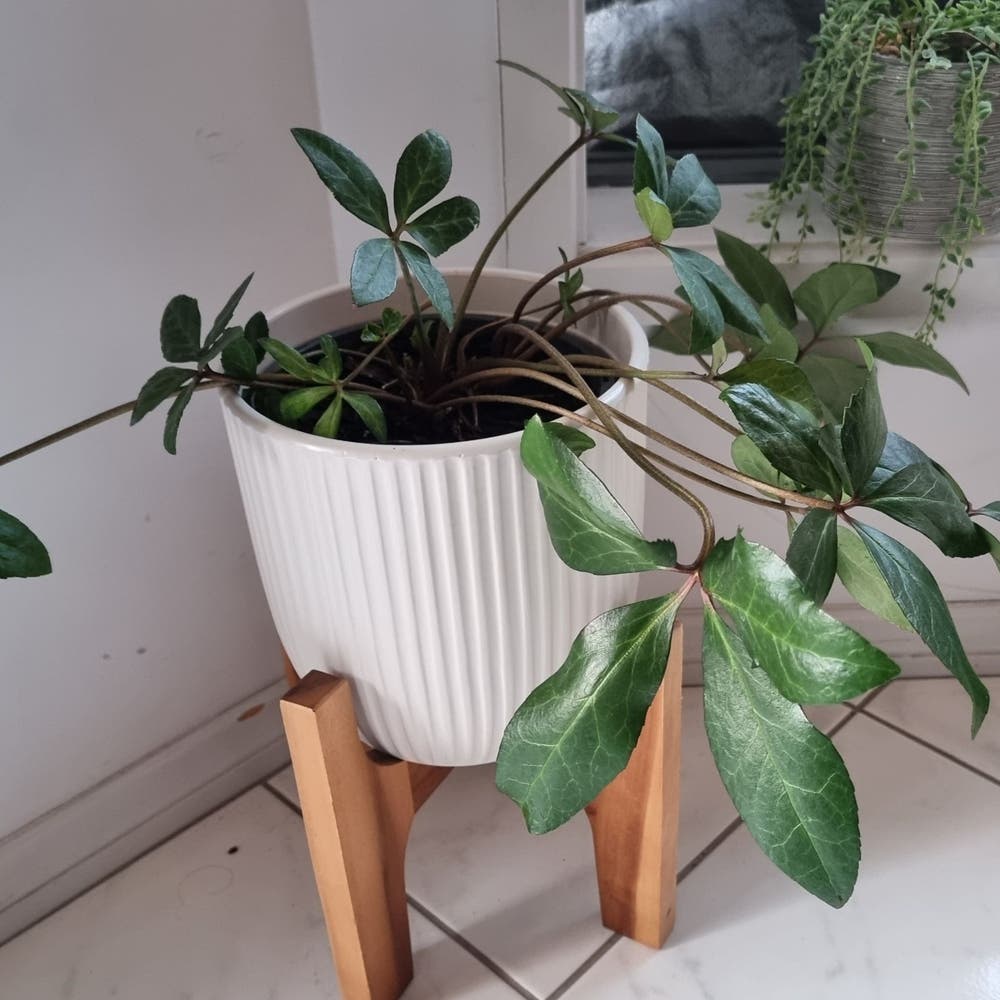
🌸 How to Fix Root Rot in Your Purple Hellebore
Helleborus orientalis
By the Greg Editorial Team
Oct 19, 2024•3 min read
This article was created with the help of AI so we can cover more plants for you. May contain errors. See one? Report it here.
Revive your purple hellebore from root rot 🌱 with these essential tips for treatment and prevention!
- 🌱 Treat root rot in purple hellebores with a careful, step-by-step process.
- ✂️ Trim decayed roots and re-pot in fresh, well-draining soil for recovery.
- 💧 Maintain proper watering and drainage to prevent future root rot issues.
Treating Root Rot
🛠️ Step-by-Step Treatment Process
Treating root rot in your purple hellebore requires careful attention. Follow these steps to ensure your plant has the best chance of recovery.
- Remove the plant from its pot: Handle it gently to avoid causing further damage.
- Inspect the roots: Identify which areas are healthy and which are affected.
- Trim away affected roots: Use sterilized scissors for clean cuts, ensuring you don’t leave any decayed parts.
- Rinse healthy roots: Remove any soil and debris to prevent further infection.
- Re-pot in fresh soil: Choose a well-draining mix that suits hellebores.
🔍 How to Remove Affected Roots
Identifying the extent of rot is crucial for effective treatment. Look for dark, mushy areas that indicate decay.
- Cut back to healthy tissue: Make sure to remove all decayed parts to promote recovery.
- Clean tools: Always sterilize your scissors with rubbing alcohol to prevent spreading pathogens.
💊 Recommended Fungicides or Treatments
Using the right treatments can significantly aid in recovery. Consider the following options:
- Use of fungicides: Copper-based fungicides or systemic treatments can be effective.
- Natural remedies: Neem oil or cinnamon serve as organic alternatives.
- Application instructions: Always follow label directions for dosage and frequency to ensure safety and effectiveness.
With these steps, your purple hellebore can bounce back from root rot. Next, let’s explore how to prevent this issue from recurring in the future.
Preventing Root Rot
🌧️ Importance of Soil Drainage
Proper soil drainage is crucial for your purple hellebore. It prevents water from accumulating around the roots, which can lead to root rot.
Good aeration promotes healthy root growth and ensures oxygen flows freely. This balance is essential for keeping your plant thriving.
🌱 Best Soil Mix for Purple Hellebore
For optimal growth, use a soil mix of equal parts peat moss, perlite, and compost. This combination provides the right texture for drainage and nutrient retention.
Aim for a soil pH between 6.0 and 7.0, which is slightly acidic to neutral. A loose, well-aerated mix will help your hellebore flourish.
🚿 Watering Techniques to Avoid Root Rot
Watering frequency is key; allow the top inch of soil to dry out between waterings. This practice helps prevent soggy conditions that can harm your plant.
Always water at the base to keep foliage dry. During cooler months, reduce watering to match the plant's lower needs.
By following these guidelines, you can significantly reduce the risk of root rot in your purple hellebore. Next, let’s explore how to monitor your plant’s health effectively.
Monitoring Plant Health
Regular Checks for Root Health 🌱
To keep your purple hellebore thriving, inspect the roots every few weeks during the growing season. Look for changes in leaf color, wilting, or unusual growth patterns; these can signal underlying issues.
Signs of Recovery After Treatment 🌿
After addressing root rot, watch for signs of new growth, such as healthy leaves or shoots emerging. Improved leaf color, especially a return to vibrant green, is a great indicator, along with firm, white roots upon inspection.
Long-Term Care Tips to Prevent Recurrence 🌼
Establish a consistent watering schedule that adapts to seasonal changes. Adding organic matter to your soil mix can significantly improve drainage, while regular fertilization with balanced fertilizers supports overall plant health.
By monitoring your hellebore closely and making these adjustments, you can ensure its long-term vitality and beauty. Next, let’s explore how to prevent root rot from occurring in the first place.
⚠️ Safety First
This content is for general information and may contain errors, omissions, or outdated details. It is not medical, veterinary advice, or an endorsement of therapeutic claims.
Always consult a qualified healthcare professional before using any plant as food, medicine, or supplement.
Never eat any plant (or feed one to pets) without confirming its identity with at least two trusted sources.
If you suspect poisoning, call Poison Control (800) 222-1222, the Pet Poison Helpline (800) 213-6680, or your local emergency service immediately.
Spotted an error? Please report it here.
Revive your purple hellebore from root rot with these expert tips 🌱, and let Greg guide you with customized watering reminders to keep your plant thriving and healthy!