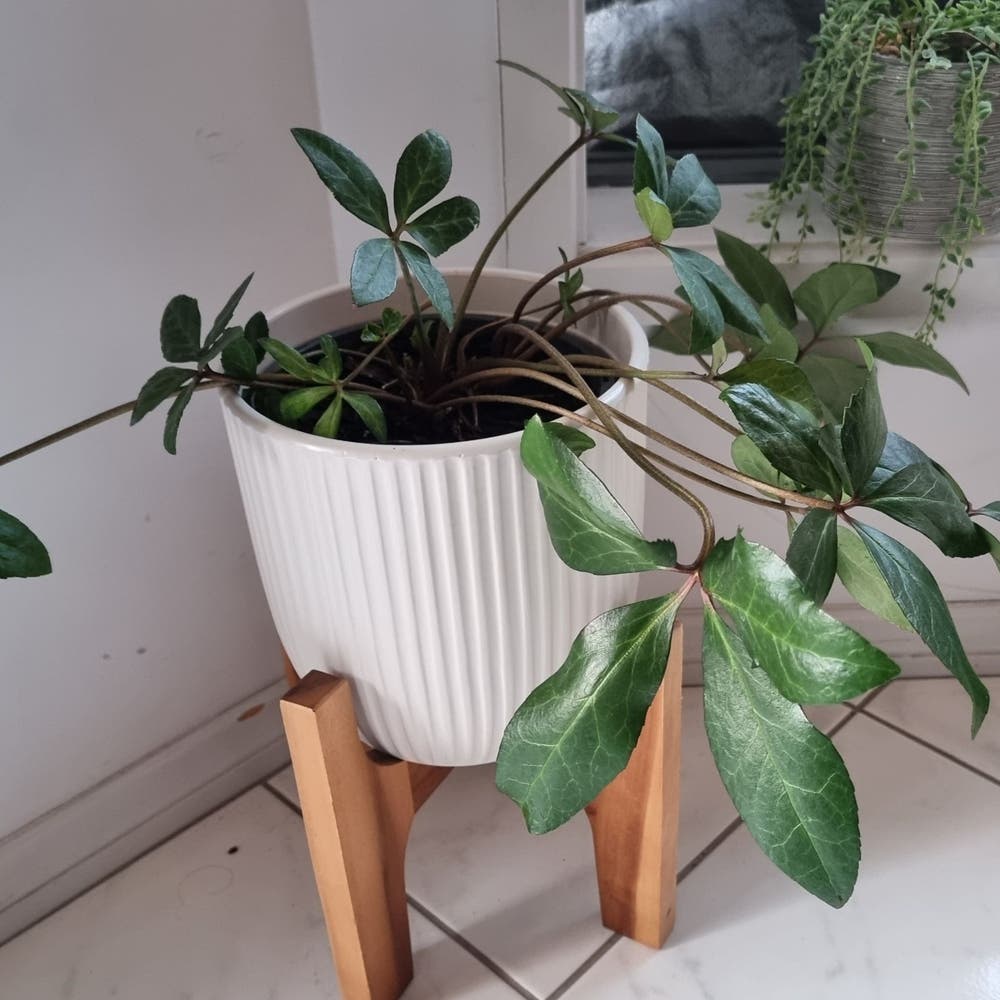
🌸 Purple Hellebore Is a Garden Plant, Not a Weed
Helleborus orientalis
By the Greg Editorial Team
Oct 19, 2024•7 min read
This article was created with the help of AI so we can cover more plants for you. May contain errors. See one? Report it here.
Transform your garden with Purple Hellebore 🌿—a stunning, eco-friendly choice that nurtures local ecosystems without invading! 🌼
- 🌼 Purple Hellebore is non-invasive, thriving without outcompeting local flora.
- 🐝 Attracts early-season pollinators, providing vital nectar when few flowers bloom.
- 🌳 Ideal for shaded gardens, offering year-round visual appeal and ecosystem benefits.
Plant Classification
🌱 Definition of Invasive Species
Invasive species are plants that exhibit rapid growth and spread, often outpacing native flora. They can disrupt local ecosystems, leading to negative impacts on biodiversity and soil health.
🚀 Characteristics of Invasive Species
- Rapid Growth and Spread: These plants can quickly dominate an area, making it difficult for local species to thrive.
- Displacement of Native Flora: They often outcompete native plants for resources, leading to a decline in local biodiversity.
- Negative Impact on Local Ecosystems: Invasive species can alter habitats, affecting wildlife and ecosystem functions.
💜 Why Purple Hellebore is Not Invasive
Purple Hellebore stands apart from invasive species due to its controlled self-seeding behavior. This means it doesn’t spread aggressively, making it a manageable choice for gardens.
🌼 Benefits of Purple Hellebore
- Non-Competitive Nature: It does not outcompete native plants, allowing local flora to flourish alongside it.
- Ecosystem Harmony: Rather than disrupting local ecosystems, Purple Hellebore is recognized as a beneficial addition to gardens.
- Garden-Friendly: Its presence enhances garden aesthetics without posing a threat to surrounding plants.
By understanding these classifications, gardeners can make informed choices that promote biodiversity while enjoying the beauty of Purple Hellebore. Next, we’ll explore its growth habits and how they contribute to its appeal in garden settings.
Growth Habits
🌱 Typical Growth Patterns in Gardens
Purple Hellebore typically grows to a height of 12-18 inches (30-45 cm). Its evergreen leaves provide year-round interest, making it a favorite among gardeners.
The flowering period occurs from late winter to early spring, offering a splash of color when many other plants are still dormant. This early bloom time is not just beautiful; it signals the arrival of spring.
🌳 Natural Settings and Spread Potential
In its natural habitat, Purple Hellebore prefers well-drained, rich soil with moderate moisture levels. It thrives in shaded environments, which limits its spread to suitable habitats.
This preference for shade means it won't invade sunny areas, allowing it to coexist peacefully with other plants. Its controlled growth makes it an excellent choice for garden enthusiasts.
🚫 Limitations to Growth and Spread
Growth is naturally limited by environmental conditions such as light and soil quality. This means that, while it flourishes in the right conditions, it won’t overrun your garden.
Additionally, Purple Hellebore is not aggressive in spreading, making it manageable in garden settings. You can enjoy its beauty without worrying about it taking over your space.
In summary, Purple Hellebore's growth habits make it a delightful addition to any garden. Its controlled nature and adaptability ensure it enhances rather than disrupts your green space.
Next, we’ll explore the ecological role of Purple Hellebore and how it benefits local ecosystems.
Ecological Role
Benefits to Local Ecosystems 🌼
Purple Hellebore plays a vital role in supporting local ecosystems. It provides early-season nectar, attracting essential pollinators like bees and butterflies.
This early bloom not only nourishes these creatures but also contributes to soil health through the decomposition of its leaf litter. This process enriches the soil, creating a healthier environment for other plants.
Positive Interactions with Wildlife 🦋
Beyond just pollinators, Purple Hellebore attracts a variety of beneficial insects. These insects help maintain a balanced ecosystem, promoting natural pest control.
Additionally, the plant serves as a habitat for small wildlife, offering shelter and food. This interaction fosters a thriving garden environment.
Role in Supporting Pollinators 🐝
The timing of Purple Hellebore's bloom is crucial. It aligns perfectly with the emergence of pollinators in spring, ensuring they have food sources right when they need them.
By supporting these pollinators, Purple Hellebore enhances biodiversity. It provides vital food sources for various species, contributing to a robust and diverse ecosystem.
As we explore how to incorporate Purple Hellebore into garden designs, it's essential to consider its ecological benefits. This plant not only beautifies your garden but also enriches the surrounding environment.
Garden Management
Incorporating Purple Hellebore into Garden Designs 🌿
Purple Hellebore thrives in shaded areas, making it perfect for planting under trees or in shaded borders. It pairs beautifully with ferns and other shade-loving plants, creating a lush, vibrant garden space.
Aesthetic Considerations for Placement 🎨
This plant offers stunning color contrast with other spring-blooming flowers. Consider using Purple Hellebore in mass plantings for a striking visual impact that draws the eye.
Methods for Controlling Growth if Necessary ✂️
To maintain its shape and size, regular pruning is essential. Additionally, keep an eye on self-seeding to prevent any unwanted spread, ensuring your garden remains tidy and manageable.
Incorporating these practices will help you enjoy the beauty of Purple Hellebore while keeping your garden flourishing and organized. Next, let’s explore how this plant interacts with local ecosystems and supports biodiversity.
Comparison to Other Plants
🌱 Similar Non-Invasive Plants
When considering shade garden plants, Astilbe and Brunnera are excellent companions to Purple Hellebore. Astilbe offers feathery flower spikes in vibrant colors, while Brunnera showcases charming blue flowers.
These plants differ in bloom time and foliage. Astilbe typically blooms in late spring to summer, contrasting with the early spring flowers of Purple Hellebore. Brunnera, with its heart-shaped leaves, provides a different texture, enriching the garden's visual appeal.
🌼 Unique Qualities of Purple Hellebore
Purple Hellebore stands out with its distinctive cup-shaped flowers that emerge in late winter. Its evergreen foliage ensures year-round interest, making it a staple in shaded areas.
This plant's early bloom period is a significant advantage. While other shade plants are still waking up, Purple Hellebore is already providing color and attracting pollinators.
🌟 Benefits of Choosing Purple Hellebore Over Other Plants
One of the most compelling reasons to choose Purple Hellebore is its longer seasonal interest. The evergreen leaves maintain a lush appearance even in winter, enhancing garden aesthetics.
Additionally, its early flowering attracts a wider range of pollinators. This not only supports local ecosystems but also enriches your garden's biodiversity, making it a smart choice for eco-conscious gardeners.
In summary, Purple Hellebore offers unique qualities and benefits that make it a standout choice in any shade garden. Its compatibility with other non-invasive plants enhances garden design while promoting ecological health. Next, let’s explore the legal and environmental considerations of incorporating this beautiful plant into your garden.
Legal and Environmental Considerations
📜 Relevant Classifications and Guidelines
When planning your garden, it's crucial to be aware of local regulations regarding non-invasive species. Many regions encourage the planting of native or non-invasive plants to promote ecological balance and protect local biodiversity.
🌱 Importance of Selecting Native or Non-Invasive Plants
Choosing native or non-invasive plants, like Purple Hellebore, supports sustainable gardening practices. These plants help maintain local ecosystems and reduce the risk of invasive species disrupting native flora.
♻️ Sustainable Gardening Practices
Incorporating Purple Hellebore into your garden design can enhance its eco-friendliness. This plant not only thrives in shaded areas but also contributes positively to the overall health of your garden.
🦋 Benefits of Biodiversity and Ecosystem Health
Biodiversity is essential for a thriving ecosystem. By adding Purple Hellebore, you create a habitat that supports various wildlife, enriching your garden's ecological value.
🌍 Environmental Impact of Planting Purple Hellebore
Planting Purple Hellebore has numerous positive effects on local wildlife. It provides essential resources for pollinators and contributes to soil health through its natural growth habits.
🌿 Role in Promoting Sustainable Gardening Practices
By choosing Purple Hellebore, you're not just beautifying your garden; you're also making a statement about sustainability. This plant exemplifies how thoughtful gardening can support both aesthetics and the environment.
As you consider your garden's design, remember that every plant choice contributes to a larger ecological narrative. Next, let’s explore how to effectively incorporate Purple Hellebore into your garden designs for maximum impact.
⚠️ Safety First
This content is for general information and may contain errors, omissions, or outdated details. It is not medical, veterinary advice, or an endorsement of therapeutic claims.
Always consult a qualified healthcare professional before using any plant as food, medicine, or supplement.
Never eat any plant (or feed one to pets) without confirming its identity with at least two trusted sources.
If you suspect poisoning, call Poison Control (800) 222-1222, the Pet Poison Helpline (800) 213-6680, or your local emergency service immediately.
Spotted an error? Please report it here.
Discover the stunning benefits of Purple Hellebore 🌼 in your garden, and let Greg provide tailored care tips to help your plants thrive while supporting local biodiversity!