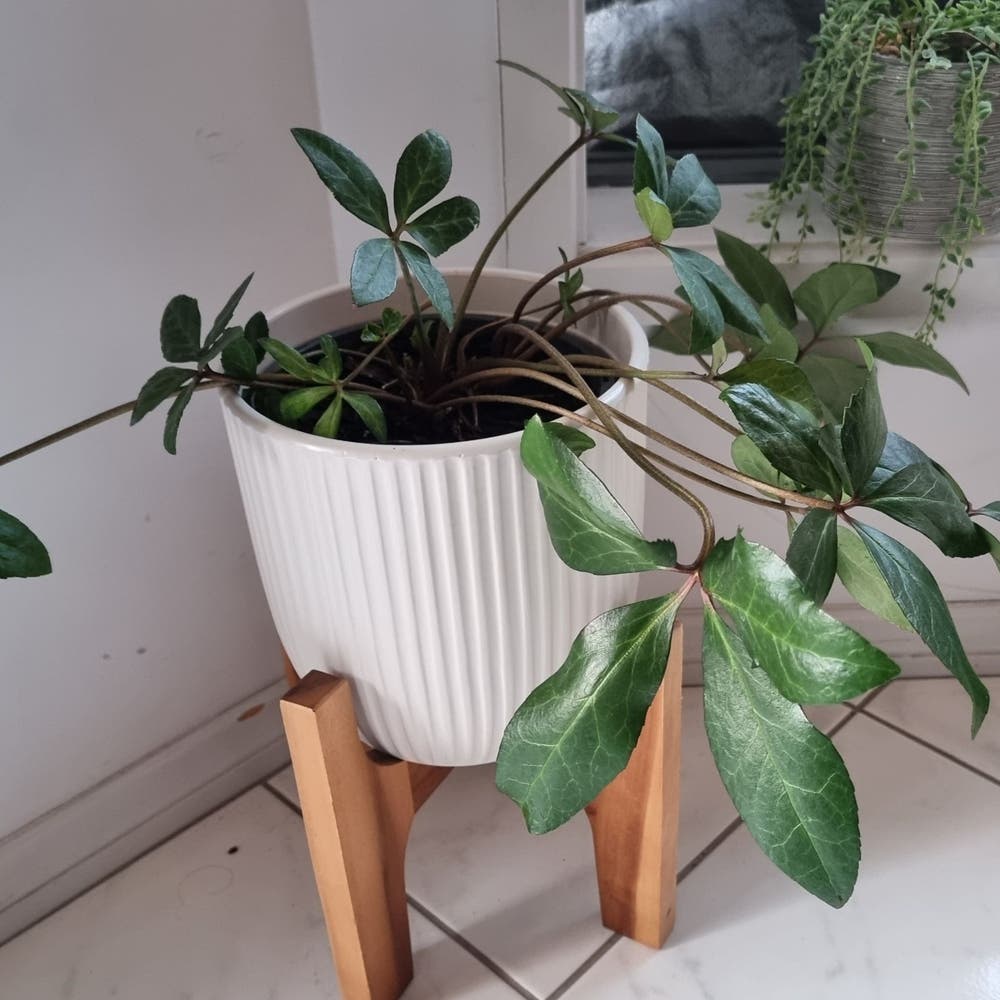
☀️ Direct Sunlight and Your Purple Hellebore
Helleborus orientalis
By the Greg Editorial Team
Oct 19, 2024•4 min read
This article was created with the help of AI so we can cover more plants for you. May contain errors. See one? Report it here.
Master the sunlight needs of your Purple Hellebore 🌿 for vibrant blooms and a thriving garden!
- 🌞 Purple Hellebore thrives in partial to full shade, avoiding direct sunlight exposure.
- 🌿 Signs of too much sun include scorched leaves and wilting; adjust light accordingly.
- 🪴 Ideal light conditions vary by season and location; monitor for optimal growth.
Purple Hellebore and Sunlight Tolerance
🌤️ Does Purple Hellebore Need Direct Sunlight?
Purple hellebore thrives in partial to full shade. While it can bloom in dappled sunlight, it truly flourishes in shaded areas where it feels most at home.
☀️ Can Purple Hellebore Tolerate Direct Sunlight?
This plant has limited tolerance for direct sunlight. It can manage some morning sun, but prolonged exposure can be detrimental.
🔆 Effects of Too Much Direct Sunlight on Purple Hellebore
Excessive direct sunlight can lead to noticeable symptoms like leaf scorch and wilting. Over time, this stress can stunt growth and even threaten the plant's survival.
Understanding the sunlight needs of your purple hellebore is crucial for its health. Next, we’ll explore how window direction impacts sunlight exposure for these beautiful plants.
Window Direction and Sunlight
🌞 How Window Direction Affects Sunlight Exposure
Understanding cardinal directions is crucial for optimizing light exposure for your plants. Each direction—North, South, East, and West—offers varying light intensity and duration throughout the day.
- North-facing windows typically receive the least direct sunlight, making them perfect for plants that prefer indirect light.
- East-facing windows catch the gentle morning sun, providing a great balance for plants needing limited exposure.
- South and West-facing windows can be too intense, delivering harsh sunlight that may stress shade-loving plants like the Purple Hellebore.
🌸 Best Window Directions for Purple Hellebore
For your Purple Hellebore, the right window direction can make all the difference.
- North-facing windows are ideal, offering consistent indirect light that keeps your plant happy.
- East-facing windows provide a brief morning sun, which is manageable and beneficial for growth.
- South and West-facing windows should be avoided for prolonged exposure, as the intensity can lead to stress and damage.
By positioning your Purple Hellebore in the right window, you can ensure it thrives in a comfortable environment. This simple adjustment can lead to healthier plants and more vibrant blooms.
Next, let’s explore how geographic considerations influence sunlight intensity for your Purple Hellebore.
Geographic Considerations
🌍 How Hemisphere Affects Sunlight Intensity
The hemisphere you’re in significantly impacts how sunlight reaches your Purple Hellebore. In the Northern Hemisphere, the sun travels lower in the sky during winter, which can lead to less intense but more diffuse light.
Conversely, in the Southern Hemisphere, summer brings more intense sunlight. This difference means that your plant's light needs can vary greatly depending on where you live.
🌱 Seasonal Changes in Sunlight Exposure
As seasons change, so does the intensity of sunlight. In spring, light levels increase, but they remain manageable for shade-loving plants like Purple Hellebore.
Summer brings peak sunlight intensity, and caution is essential. Too much direct sun can stress your plant, so keep an eye on its health.
In fall and winter, light levels drop, creating a more suitable environment for recovery and growth. This reduction allows your Purple Hellebore to thrive without the risk of scorching.
Understanding these geographic and seasonal factors can help you provide the best care for your plant. As you adjust its environment, you’ll set the stage for vibrant blooms and healthy growth.
Practical Tips for Plant Parents
🌞 Signs of Too Much or Too Little Sunlight for Purple Hellebore
Recognizing the signs of sunlight stress is crucial for your Purple Hellebore's health. If you notice scorched leaves, faded colors, or wilting, your plant is likely getting too much sunlight.
Conversely, if your Hellebore shows stunted growth, fewer blooms, or a leggy appearance, it may not be receiving enough light. Keeping an eye on these symptoms can help you adjust conditions promptly.
🌿 Adjusting Light Conditions for Optimal Growth
To create the perfect environment, consider relocating your pots. Moving them to a shadier spot or using sheer curtains can help filter the light effectively.
Another option is to use plant stands. Elevating your Hellebore allows it to receive the filtered light it craves, promoting healthier growth.
🧐 Common Misconceptions About Purple Hellebore and Sunlight
A common myth is that Purple Hellebore thrives in full sun. In reality, these plants prefer shaded conditions to prevent stress and damage.
Understanding this can make a significant difference in your plant's vitality. Embrace the shade, and your Hellebore will thank you!
⚠️ Safety First
This content is for general information and may contain errors, omissions, or outdated details. It is not medical, veterinary advice, or an endorsement of therapeutic claims.
Always consult a qualified healthcare professional before using any plant as food, medicine, or supplement.
Never eat any plant (or feed one to pets) without confirming its identity with at least two trusted sources.
If you suspect poisoning, call Poison Control (800) 222-1222, the Pet Poison Helpline (800) 213-6680, or your local emergency service immediately.
Spotted an error? Please report it here.
Keep your Purple Hellebore blooming beautifully 🌸 by using Greg's tailored light tips to ensure it thrives in the perfect shade!