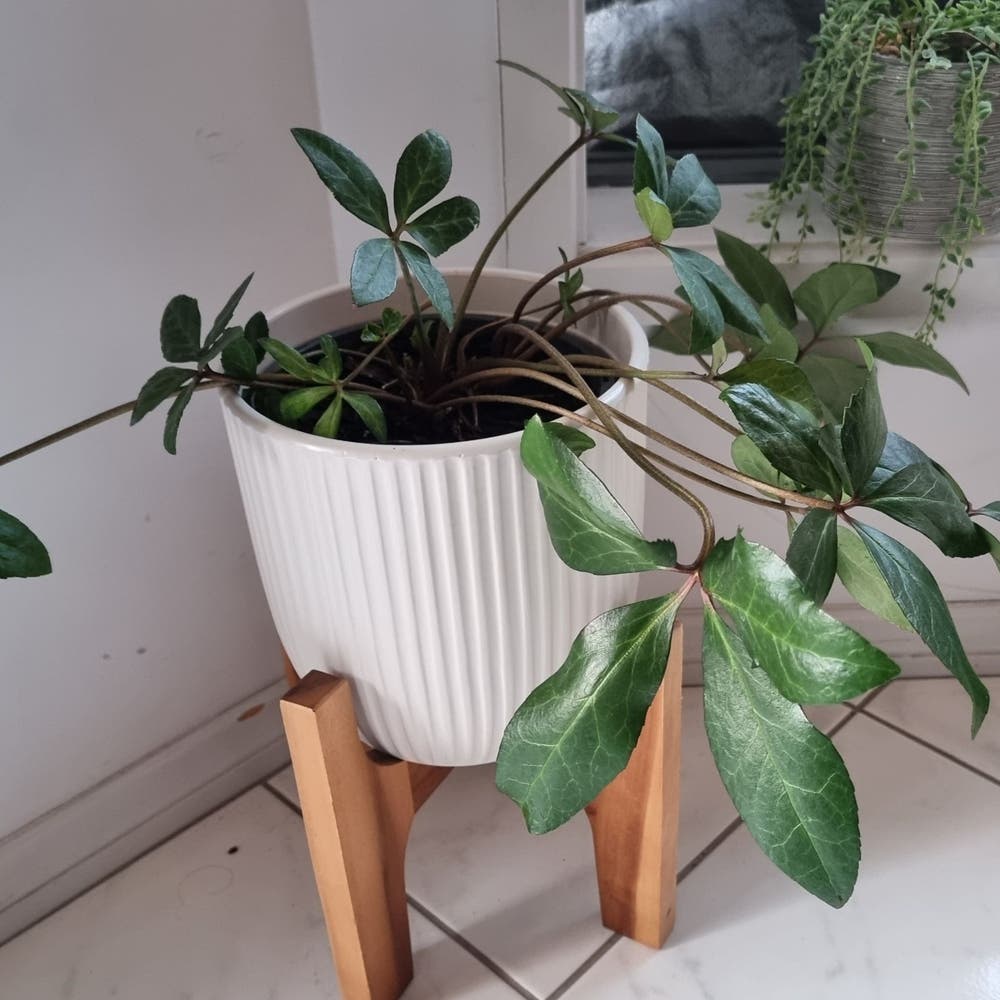
🌸 Ultimate Guide to Fixing Dropping Leaves on Purple Hellebore
Helleborus orientalis
By the Greg Editorial Team
Oct 19, 2024•4 min read
This article was created with the help of AI so we can cover more plants for you. May contain errors. See one? Report it here.
Revive your purple hellebore 🌱 with essential care tips and troubleshooting strategies for vibrant growth!
- 💧 Overwatering causes leaf dropping; check roots for firmness to confirm.
- 🌱 Underwatering leads to wilting; ensure consistent watering for healthy growth.
- 🐛 Pests like aphids affect vitality; inspect regularly for early detection.
Diagnosing the Problem
Signs of Overwatering 🌧️
Overwatering can be a sneaky culprit behind your purple hellebore's leaf troubles. Look for leaf yellowing and dropping, which often starts at the bottom and progresses upward.
To confirm overwatering, inspect the roots. They should be firm and white; mushy or discolored roots indicate trouble. Soil moisture testing is essential—use a moisture meter or simply stick your finger into the soil to check for dampness.
Signs of Underwatering 💧
Underwatering presents its own set of challenges. Watch for leaf wilting and curling, which are immediate visual cues that your plant is thirsty.
Check the soil for dryness, digging down a few inches to see if moisture is retained. After watering, observe how quickly the leaves perk up; this can be a good indicator of your plant's recovery.
Identifying Nutrient Deficiencies 🥦
Nutrient deficiencies can also lead to drooping leaves. Common culprits include nitrogen, potassium, and magnesium, each affecting your plant in different ways.
Look for symptoms like leaf discoloration and poor growth. Soil testing is crucial here; it helps you assess nutrient levels accurately and determine what your hellebore needs.
Recognizing Pest Infestations 🐜
Pests can wreak havoc on your hellebore's health. Aphids are among the most common offenders, and they can significantly impact leaf vitality.
Signs of infestation include sticky residue on leaves and distorted growth. To catch these pests early, inspect the undersides of leaves and stems regularly; early detection is key to effective management.
By diagnosing these issues, you can take the first steps toward restoring your purple hellebore to its vibrant self. Next, let’s explore treatment solutions to tackle these problems head-on.
Treatment Solutions
💧 How to Treat Overwatering
Overwatering can be a silent killer for your purple hellebore. The first step is to stop watering immediately and assess the drainage of your pot or garden bed.
Next, consider amending the soil. Adding perlite or sand can significantly improve aeration, allowing roots to breathe and recover.
Keep an eye on your plant’s recovery. Look for signs of improvement in foliage, such as new growth or a return to vibrant color.
🚰 How to Treat Underwatering
If your hellebore is showing signs of underwatering, it’s time to rehydrate. Soak the root zone thoroughly, ensuring water penetrates deeply.
Adjust your watering frequency to establish a consistent schedule. This will help prevent future stress on the plant.
Monitor recovery closely. Observe how quickly the leaves perk up after watering, as this will indicate the effectiveness of your efforts.
🌱 Addressing Nutrient Deficiencies
Nutrient deficiencies can hinder your hellebore's growth. Start by applying a targeted fertilizer based on the specific nutrient lacking, such as nitrogen or potassium.
Incorporate compost or organic matter into the soil to boost nutrient levels. This not only enriches the soil but also improves its structure.
Track your plant's response over time. Monitoring improvements will help you gauge the effectiveness of your interventions.
🐞 Pest Control Methods
Pest infestations can wreak havoc on your hellebore. Start with organic pest control methods like neem oil or insecticidal soap to manage the problem without harsh chemicals.
For immediate relief, consider physical removal. Hand-picking pests or using a strong water spray can effectively reduce their numbers.
Finally, take preventive measures. Introducing beneficial insects like ladybugs can create a natural balance, keeping harmful pests at bay.
With these treatment solutions, your purple hellebore can thrive once again. Next, let’s explore long-term care strategies to ensure its ongoing health and beauty.
Long-term Care Strategies
Best Practices for Maintaining Healthy Foliage 🌿
Regular pruning is essential for your purple hellebore. By removing dead or damaged leaves, you not only improve the plant's appearance but also promote healthier growth.
Mulching is another key practice. It helps retain moisture and regulates soil temperature, creating a more stable environment for your plant.
Companion planting can also enhance growth. Pairing your hellebore with compatible plants can boost its health and resilience against pests.
Monitoring Plant Health Regularly 🔍
Routine inspections are crucial for catching signs of stress or disease early. Make it a habit to check your plants regularly to ensure they’re thriving.
Keeping a care journal can be incredibly beneficial. Documenting your watering, fertilization, and growth patterns helps you identify what works best for your hellebore.
Utilizing technology can simplify your plant care routine. Consider using apps that send reminders and track your plant’s health, making your gardening experience even more enjoyable.
With these strategies, you’ll be well-equipped to maintain the health and beauty of your purple hellebore. Next, let’s explore how to effectively treat any issues that may arise.
⚠️ Safety First
This content is for general information and may contain errors, omissions, or outdated details. It is not medical, veterinary advice, or an endorsement of therapeutic claims.
Always consult a qualified healthcare professional before using any plant as food, medicine, or supplement.
Never eat any plant (or feed one to pets) without confirming its identity with at least two trusted sources.
If you suspect poisoning, call Poison Control (800) 222-1222, the Pet Poison Helpline (800) 213-6680, or your local emergency service immediately.
Spotted an error? Please report it here.
Keep your purple hellebore's leaves vibrant 🌿 by using Greg's tailored watering reminders and nutrient tracking to tackle any issues before they start!