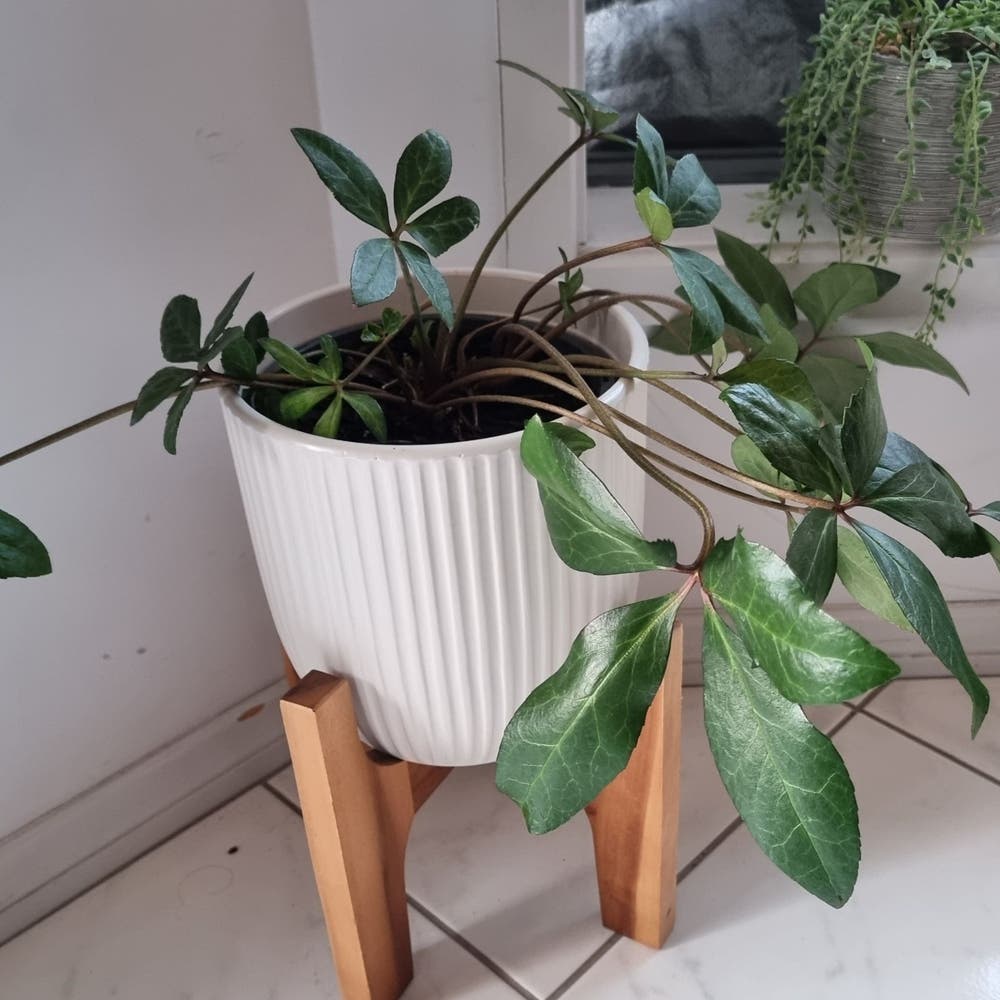
5 Key Phases of Purple Hellebore Development 🦋
Helleborus orientalis
By the Greg Editorial Team
Oct 19, 2024•5 min read
This article was created with the help of AI so we can cover more plants for you. May contain errors. See one? Report it here.
Cultivate breathtaking purple hellebores 🌸 by mastering their life cycle for a flourishing garden experience!
- 🌱 Purple hellebore seeds germinate in 2-3 months with proper temperature and moisture.
- 🌞 Optimal growth requires dappled sunlight; too much direct sun hinders development.
- 🌼 Full maturity takes 2-3 years, leading to vibrant blooms and unique garden charm.
Germination Stage
Duration of Germination 🌱
The germination period for purple hellebore typically spans 2-3 months. This duration can vary based on several factors, including temperature, moisture levels, and seed dormancy.
Conditions for Successful Germination 🌡️
To ensure successful germination, aim for an optimal temperature between 60°F to 70°F (15°C to 21°C).
Consistent moisture is crucial, but avoid waterlogging to prevent seed rot.
Seeds thrive in indirect light, and they benefit significantly from a process called cold stratification, which mimics winter conditions.
Understanding these conditions can make all the difference in your gardening success.
With the right environment, your purple hellebore seeds will be on their way to sprouting and growing into beautiful plants.
Next, we’ll explore the characteristics of seedlings as they begin their journey.
Seedling Stage
🌱 Characteristics of Seedlings
During the seedling stage, Purple Hellebore plants exhibit small, delicate leaves arranged in a rosette formation. Initially, these leaves are a light green, gradually transitioning to deeper shades as the plants mature.
⏳ Duration and Care During This Phase
This stage lasts approximately one year, requiring attentive care. Ensure the seedlings receive consistent moisture and protection from harsh conditions to thrive.
As you nurture your seedlings, remember that this phase is crucial for establishing a strong foundation for future growth. With the right care, your Purple Hellebores will flourish, setting the stage for the next exciting phase of development.
Vegetative Growth Stage
Growth Patterns and Duration 🌱
The vegetative growth stage of purple hellebore lasts about 1 to 2 years. During this time, you'll notice rapid leaf development and the establishment of a robust root system, setting the foundation for future growth.
Environmental Factors Affecting Growth 🌍
Light Requirements ☀️
Purple hellebore thrives in dappled sunlight. Too much direct sun can hinder its growth, so finding the right balance is key.
Soil Conditions 🌾
While hellebores can tolerate poor soil, they truly flourish in rich, loamy soil. This nutrient-rich environment supports their vigorous growth.
Moisture Needs 💧
Consistent moisture is crucial for healthy development. Drought conditions can stunt growth, so regular watering is essential to keep your plants thriving.
As you nurture your purple hellebore through this stage, remember that the right conditions will lead to a flourishing plant. Next, we’ll explore the flowering phase, where all your hard work will finally pay off with stunning blooms.
Flowering Phase
Timing of Flowering 🌸
The flowering phase of purple hellebore typically occurs from late winter to early spring, specifically between February and April. This timing can vary based on local climate and environmental conditions, making it essential to observe your specific growing area.
Changes in Plant Appearance 🌼
As the flowering phase begins, you'll notice a striking transition from lush foliage to vibrant flowers. The cup-shaped blooms emerge gracefully above the leaves, creating a stunning visual display.
Color Variations 🎨
The color of hellebore flowers can range dramatically, from deep purples to lighter shades, depending on the variety. This diversity adds a unique charm to any garden, making each plant a delightful surprise.
The flowering phase not only marks a significant transformation in the plant's appearance but also signals the approach of warmer weather. As you witness these beautiful blooms, you can appreciate the resilience and beauty of purple hellebore in your garden.
Next, we will explore the fascinating process of seed production, which follows this vibrant display.
Seed Production
Process of Seed Formation 🌼
Pollination is a crucial step in the seed production of purple hellebore. While insects primarily handle this task, self-pollination can also occur, ensuring that the plant can reproduce even in less-than-ideal conditions.
After flowering, seeds develop in pods, taking several months to mature. This process is vital for the continuation of the species and showcases the plant's resilience.
Duration and Conditions for Seed Production ⏳
The duration for seed maturation typically spans 3-4 months post-flowering. During this time, the plant requires adequate moisture to support seed development.
Protection from extreme weather is also essential. Too much heat or cold can jeopardize the seeds, so ensuring a stable environment is key to successful seed production.
As we explore the next phase, understanding these conditions will help you appreciate the intricate life cycle of purple hellebore even more.
Growth Rate and Maturation
How Long Until Fully Grown? 🌱
Purple hellebore typically takes about 2-3 years to reach full maturity. This timeframe allows the plant to develop its unique characteristics and thrive in its environment.
Factors Influencing Growth Rate 🌿
Several key factors can significantly affect the growth rate of purple hellebore:
Soil Quality: Nutrient-rich soil is essential for promoting faster growth. The right balance of nutrients can make a noticeable difference.
Water Availability: Consistent moisture is crucial. Too little water can stunt growth, while too much can lead to root issues.
Light Conditions: Adequate shade is vital for optimal development. While hellebores enjoy some sunlight, too much direct exposure can hinder their growth.
Comparison of Growth Rates Among Different Species 📊
Different species of hellebore exhibit varying growth rates:
Helleborus niger: This species generally has a faster growth rate compared to Helleborus purpurascens. It’s a great choice if you’re looking for quicker results.
Helleborus orientalis: While it has a similar maturation time, its flowering duration may vary. This can add an interesting dynamic to your garden.
Understanding these factors can help you cultivate healthy, vibrant purple hellebores. With the right care, you’ll be rewarded with stunning blooms in just a few years. Next, let’s explore the fascinating process of seed production in these remarkable plants.
⚠️ Safety First
This content is for general information and may contain errors, omissions, or outdated details. It is not medical, veterinary advice, or an endorsement of therapeutic claims.
Always consult a qualified healthcare professional before using any plant as food, medicine, or supplement.
Never eat any plant (or feed one to pets) without confirming its identity with at least two trusted sources.
If you suspect poisoning, call Poison Control (800) 222-1222, the Pet Poison Helpline (800) 213-6680, or your local emergency service immediately.
Spotted an error? Please report it here.
Master the 5 phases of purple hellebore growth 🌸 with Greg's tailored care reminders and moisture alerts, ensuring your plants flourish from seed to stunning bloom!