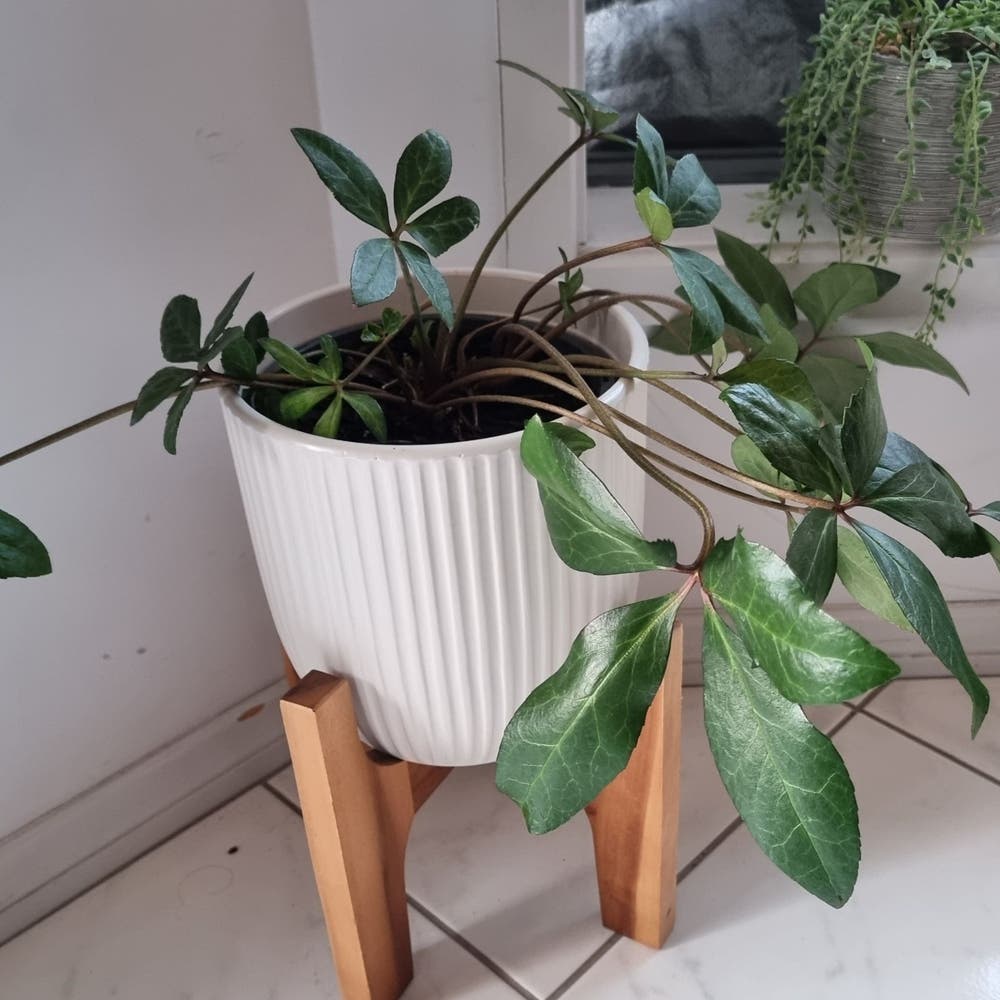
🌸 How to Fix Black Spots on Your Purple Hellebore
Helleborus orientalis
By the Greg Editorial Team
Oct 20, 2024•5 min read
This article was created with the help of AI so we can cover more plants for you. May contain errors. See one? Report it here.
Revive your purple hellebore 🌱 by learning to identify and treat black spots for vibrant blooms!
- 🌱 Black spots on hellebores often stem from fungal infections or pests.
- 💧 Overwatering and humidity worsen issues; ensure well-draining soil and good air circulation.
- 🛠️ Regular inspections and treatments like neem oil can effectively manage black spots.
Causes of Black Spots
🦠 Fungal Infections
Black spots on your purple hellebore often stem from fungal infections, particularly the notorious black spot fungus. These fungi thrive in conditions of high humidity and poor air circulation, making your plant vulnerable.
🌪️ Environmental Stress
Environmental factors play a significant role in the health of your hellebore. Overwatering can lead to root rot, increasing susceptibility to diseases, while underwatering stresses the plant, often resulting in unsightly leaf spots.
🐞 Pests
Pests like aphids and spider mites can wreak havoc on your hellebore. They not only damage the leaves but also create entry points for fungi, compounding the problem.
Understanding these causes is crucial for effective treatment and prevention. By addressing these issues, you can help your hellebore thrive and reduce the risk of black spots.
Diagnosing the Problem
🦠 Differentiating Between Fungal and Pest-Related Issues
Identifying the source of black spots on your purple hellebore is crucial. Fungal infections typically present as black spots with yellow halos, often accompanied by wilting leaves.
In contrast, pest infestations reveal themselves through sticky residue, visible insects, or webbing on the leaves. Knowing these signs can help you act quickly.
🔍 Importance of Leaf Inspection
Regular leaf inspections are essential for early detection of issues. Make it a habit to check for spots or pests, as catching problems early can save your plant.
Additionally, assess environmental factors like humidity levels and your watering practices. These elements can significantly impact your plant's health and vulnerability to diseases.
Treatment Options
🌱 Organic Treatments
Fungicides
When it comes to treating black spots on your purple hellebore, organic fungicides are a great choice. Look for products specifically labeled as safe for hellebores and apply them every 7-14 days until you see improvement.
Neem Oil
Neem oil is another effective option, serving as both a fungicide and a pest deterrent. To use it, simply spray the affected areas, making sure to cover them thoroughly for the best results.
⚗️ Chemical Treatments
Specific Fungicides for Hellebore
If organic options aren't cutting it, consider chemical fungicides designed for hellebores. Always check for recommended products and remember to wear gloves and masks during application to protect yourself.
📝 Step-by-Step Guide for Applying Treatments
Applying treatments correctly is key to success. Follow these steps for effective results:
- Identify and remove any affected leaves to prevent further spread.
- Prepare your chosen fungicide or neem oil according to the instructions.
- Apply the treatment in the early morning or late afternoon to avoid leaf burn.
- Keep an eye on your plant for signs of improvement or any new issues.
With these treatment options, you can tackle those pesky black spots and help your hellebore thrive. Next, let’s explore preventive measures to keep your plants healthy and vibrant.
Preventive Measures
🌊 Best Practices for Watering and Soil Management
Maintaining well-draining soil is crucial for your purple hellebore. This helps prevent root rot, a common issue that can lead to black spots on leaves.
Water your plants deeply but infrequently. Allow the soil to dry out between watering sessions to promote healthy root growth.
🌬️ Importance of Air Circulation and Spacing
Proper spacing between your hellebores is essential for good airflow. This reduces humidity around the plants, which can help prevent fungal infections.
Regularly prune overcrowded foliage. This not only enhances air circulation but also keeps your plants looking tidy and healthy.
🍂 Seasonal Care Tips
In spring, make it a habit to clean up debris around your plants. This simple step can significantly reduce the number of fungal spores in the area.
As fall approaches, consider mulching around your hellebores. Mulch retains moisture while also acting as a barrier against fungal growth, setting your plants up for success in the coming seasons.
By implementing these preventive measures, you can create a healthier environment for your purple hellebore. This proactive approach will help you enjoy vibrant blooms and minimize the risk of black spots.
Next, let’s explore how to monitor your plant's health after treatment.
Post-Treatment Care
Monitoring Plant Health After Treatment 🌱
After applying treatments, keep a close eye on your purple hellebore. Regular checks will help you spot new growth and signs of recovery.
Adjust your care routine based on how the plant responds. If you notice changes, like new leaves or a decrease in black spots, it’s a good sign!
Signs of Recovery 🌿
Look for new leaf growth as a clear indicator that your treatment is working. Fewer black spots on the leaves also suggest that the intervention has been effective.
These signs are encouraging and show that your efforts are paying off. Celebrate these small victories!
When to Reapply Treatments 🔄
If symptoms persist after two weeks, it may be time to reapply your treatments. Consistency is key in managing black spots effectively.
Always follow the guidelines for reapplication to ensure the best results. Your hellebore will thank you for your diligence!
As you move forward, remember that ongoing care and observation are crucial for maintaining the health of your plants. Let's explore preventive measures next to keep your hellebore thriving!
⚠️ Safety First
This content is for general information and may contain errors, omissions, or outdated details. It is not medical, veterinary advice, or an endorsement of therapeutic claims.
Always consult a qualified healthcare professional before using any plant as food, medicine, or supplement.
Never eat any plant (or feed one to pets) without confirming its identity with at least two trusted sources.
If you suspect poisoning, call Poison Control (800) 222-1222, the Pet Poison Helpline (800) 213-6680, or your local emergency service immediately.
Spotted an error? Please report it here.
Transform your purple hellebore into a vibrant showstopper 🌟 by using Greg's tailored care reminders and watering plans to keep those pesky black spots at bay!