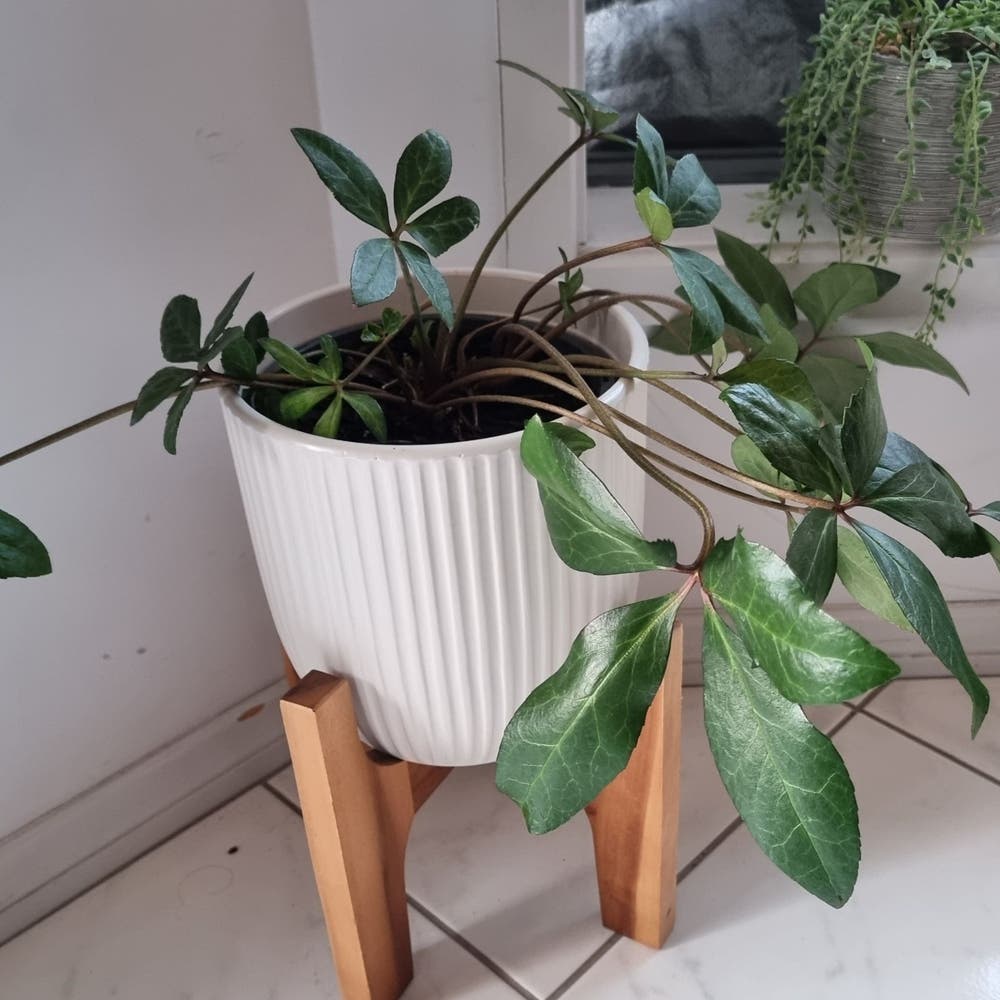
🌡️ Ultimate Guide to Temperature for Purple Hellebore
Helleborus orientalis
By the Greg Editorial Team
Oct 19, 2024•2 min read
This article was created with the help of AI so we can cover more plants for you. May contain errors. See one? Report it here.
Unlock vibrant blooms 🌸 for your purple hellebore by mastering essential temperature management techniques!
- 🌡️ Purple hellebore thrives between 40°F and 75°F for optimal growth.
- ❄️🔥 Cold and heat stress cause leaf issues and premature flowering. Monitor closely!
- 🌱 Mulching and shaded locations help regulate temperature and protect hellebores.
Temperature Needs
🌡️ Optimal Temperature Range
Purple hellebore thrives best in a temperature range of 40°F to 75°F (4°C to 24°C). Maintaining this range is crucial for optimal blooming and healthy foliage.
Different cultivars may exhibit variations in temperature tolerance. Knowing these differences can help you choose the right type for your garden.
❄️ Signs of Temperature Stress
Symptoms of Cold Stress
Cold stress can manifest in several noticeable ways. Look for leaf discoloration, where leaves darken or brown, and wilting, where leaves droop despite adequate moisture.
Another sign is flower bud drop, where buds fall off prematurely before they can bloom. This can be disheartening for any gardener.
☀️ Symptoms of Heat Stress
Heat stress presents its own set of symptoms. Leaf scorch, characterized by brown edges and tips, is a common indicator.
You may also notice stunted growth, which results in reduced plant vigor and size. Premature flowering can occur too, leading to shorter-lived blooms.
🌪️ Causes of Temperature Stress
Environmental Factors
Temperature stress often arises from environmental factors. Sudden temperature fluctuations can shock the plant, making it hard for them to adapt.
Prolonged exposure to extreme temperatures, whether cold snaps or heat waves, can also lead to significant stress. It's essential to monitor these conditions closely.
🍂 Seasonal Changes
Seasonal changes play a vital role in temperature stress. Late winter warm spells can trick hellebores into early blooming, which may not be sustainable.
Summer heat can adversely affect both foliage and flowering cycles. Understanding these seasonal impacts can help you better care for your plants.
🛠️ Temperature Management Strategies
Mulching for Temperature Regulation
One effective strategy for managing temperature is mulching. Organic mulch provides insulation against temperature extremes, helping to stabilize soil conditions.
Recommended materials include bark, straw, or wood chips. Aim for an application depth of 2-3 inches around the base of the plant for optimal results.
📍 Planting Location Considerations
Choosing the right planting location is crucial. Opt for shaded areas to protect hellebores from excessive heat.
Consider planting near structures or larger plants to provide wind and temperature protection. Also, take soil type and drainage into account to mitigate temperature extremes.
💧 Brief Mention of Humidity
Humidity can exacerbate heat stress in hellebores. Ensuring adequate air circulation is essential for maintaining plant health.
By managing temperature and humidity effectively, you can create a thriving environment for your purple hellebore. This sets the stage for vibrant blooms and lush foliage.
⚠️ Safety First
This content is for general information and may contain errors, omissions, or outdated details. It is not medical, veterinary advice, or an endorsement of therapeutic claims.
Always consult a qualified healthcare professional before using any plant as food, medicine, or supplement.
Never eat any plant (or feed one to pets) without confirming its identity with at least two trusted sources.
If you suspect poisoning, call Poison Control (800) 222-1222, the Pet Poison Helpline (800) 213-6680, or your local emergency service immediately.
Spotted an error? Please report it here.
Keep your purple hellebore thriving 🌱 by using Greg's personalized care alerts to monitor temperature and prevent stress from extreme conditions!