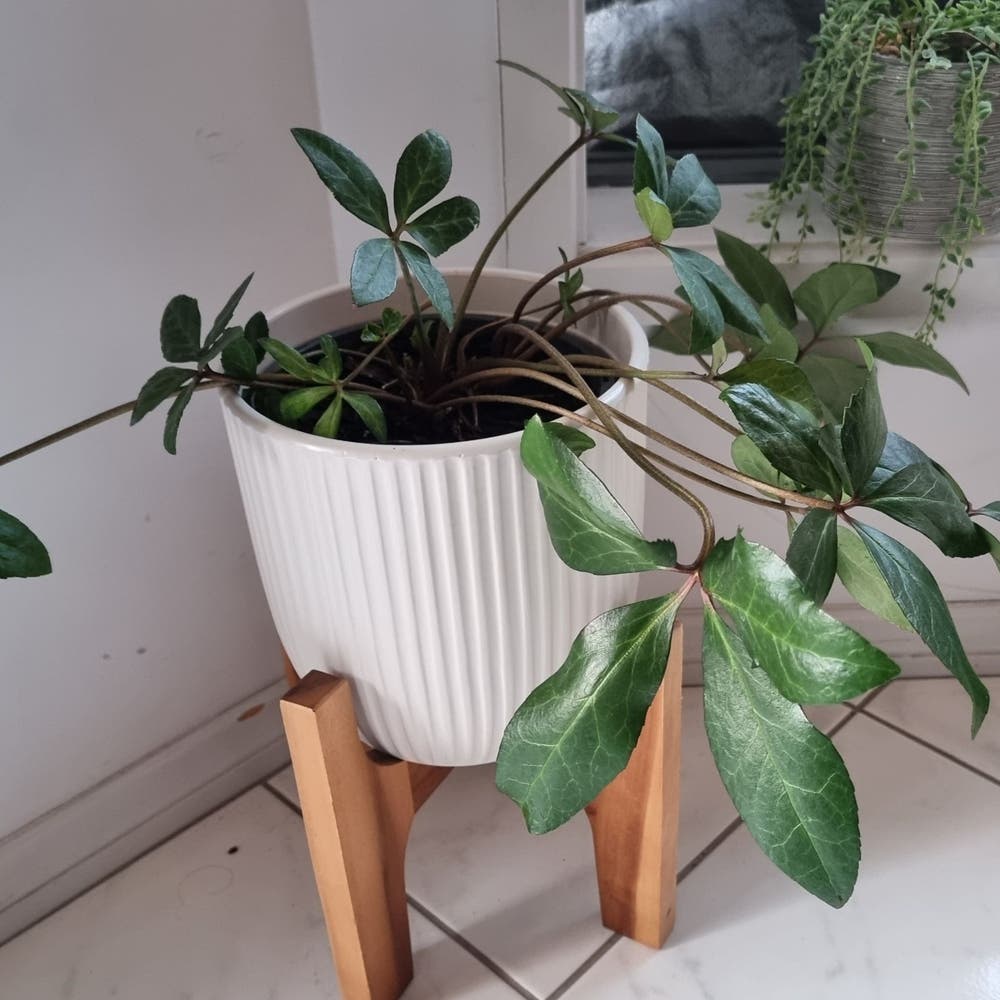
🌸 Purple Hellebore Wilting: Causes and Solutions
Helleborus orientalis
By the Greg Editorial Team
Oct 19, 2024•6 min read
This article was created with the help of AI so we can cover more plants for you. May contain errors. See one? Report it here.
Transform your wilting Purple Hellebore 🌱 into a thriving beauty with these essential care tips!
- 💧 Wilting in Purple Hellebore often signals water or heat stress.
- 🌞 Excessive sunlight causes crispy edges; provide shade during peak hours.
- 🦠 Disease symptoms include yellowing leaves; remove affected parts and consider fungicides.
Common Causes of Wilting Leaves
💧 Water Stress
Wilting leaves can often signal water stress in your Purple Hellebore. Symptoms include drooping leaves and dry soil, indicating that your plant is not getting the moisture it needs.
The primary causes of water stress are an inadequate watering schedule and poor soil moisture retention. If you're not watering regularly or your soil isn't holding moisture well, your plant will suffer.
🔥 Heat Stress
Heat stress is another common culprit behind wilting leaves. Look for crispy leaf edges and wilting during hot days as telltale signs that your plant is struggling.
This stress often arises from exposure to direct sunlight during peak hours and high ambient temperatures. If your Hellebore is basking in the sun all day, it may be time to find some shade.
🦠 Disease-Related Wilting
While less common, disease-related wilting can occur. Signs to watch for include yellowing leaves and mushy roots, which indicate that something is amiss.
It's important to note that pathogenic wilt is unlikely in most cases. However, if you see these symptoms, it’s worth investigating further to rule out any serious issues.
Understanding these common causes can help you take proactive steps to keep your Purple Hellebore healthy and thriving. Next, we’ll dive into how to diagnose wilting effectively.
Diagnosing Wilting
🌱 Step-by-Step Guide
Diagnosing wilting in your Purple Hellebore requires a systematic approach. Follow these steps to pinpoint the issue effectively.
1. Assess Soil Moisture Levels
Start by checking the soil moisture. Dig about 2-3 inches below the surface to see if it's dry.
Using a moisture meter can provide accurate readings, ensuring you know exactly how thirsty your plant is.
2. Examine Environmental Conditions
Next, take a look at the environmental factors. Consider the temperature and sunlight exposure your plant receives daily.
Recent weather changes can also impact your plant's health, so keep those in mind.
3. Inspect Leaves for Signs of Stress
Inspect the leaves closely for any signs of stress. Look for discoloration, texture changes, or any pests that might be lurking.
These indicators can reveal a lot about your plant's condition and what it might need.
4. Evaluate Watering Practices
Finally, review your watering practices. Think about how often and how much water you give your plant.
Check the drainage conditions of the pot or garden bed to ensure excess water isn’t causing issues.
By following these steps, you can effectively diagnose the cause of wilting in your Purple Hellebore. This understanding will set the stage for implementing the right solutions.
Solutions for Wilting Leaves
💡 Actionable Advice
Addressing Water Stress
To combat water stress, start by adjusting your watering schedule. Water deeply and consistently to ensure your Purple Hellebore gets the moisture it craves.
Improving soil moisture retention is also crucial. Incorporate organic matter or mulch to help keep the soil damp longer.
☀️ Mitigating Heat Stress
Heat stress can be a real issue for your plants. Providing shade during peak sunlight hours can help protect them from scorching.
If possible, relocate your plant to a cooler area temporarily. This simple move can make a significant difference in its health.
🦠 Managing Disease-Related Wilting
If you notice signs of disease, act quickly. Remove affected leaves to improve air circulation around the plant.
Consider treating with appropriate fungicides if necessary. This can help prevent further damage and promote recovery.
✂️ Techniques for Bottom Watering and Pruning
Bottom Watering Method
Bottom watering is an effective technique for ensuring your plant gets the moisture it needs.
- Fill a tray with water and place the pot in it.
- Allow the plant to absorb moisture for about 30 minutes.
Pruning Damaged Leaves
Pruning is essential for maintaining plant health.
- Use clean, sharp pruning shears to avoid introducing pathogens.
- Cut leaves at the base, being careful not to damage healthy foliage.
These solutions can help revive your wilting Purple Hellebore and keep it thriving. Next, let’s explore preventive measures to minimize future wilting episodes.
Preventive Measures
Tips to Minimize Future Wilting Episodes 🌱
To keep your Purple Hellebore thriving, regularly monitor soil moisture levels. This simple habit can prevent unexpected wilting.
Implementing a consistent watering schedule is crucial. Aim to water deeply but infrequently, ensuring the roots get the hydration they need without drowning.
Mulching around the base of your plant is another effective strategy. A layer of organic mulch helps retain moisture and keeps the soil temperature stable.
Importance of Monitoring Environmental Conditions 🌡️
Keeping track of temperature and humidity levels is essential for your plant's health. Changes in these conditions can significantly impact how your Hellebore responds.
Adjust your care practices based on seasonal changes. For instance, during hotter months, you might need to increase watering frequency or provide additional shade.
By staying proactive, you can minimize wilting episodes and ensure your plant remains vibrant and healthy.
Next, let’s explore techniques for reviving a wilted plant and ensuring it bounces back effectively.
Reviving a Wilted Plant
🌱 Techniques for Safe Revival
Reviving a wilted Purple Hellebore requires a careful approach. Start with gradual rehydration; avoid the temptation to flood the plant immediately, as this can lead to further stress.
Monitor for signs of recovery, such as new growth or improved leaf texture. These indicators will help you gauge whether your efforts are paying off.
🏖️ Temporary Relocation Strategies
During extreme heat, consider moving your plant to a shaded area. This simple step can significantly reduce stress and help it recover.
Ensure adequate airflow around the plant as well. Good ventilation can prevent additional issues like mold or pests, allowing your Hellebore to bounce back more effectively.
With these techniques, you can give your plant the best chance at revival. Next, let’s explore when it’s time to seek expert help for persistent issues.
When to Seek Help
Signs Indicating the Need for Expert Assistance 🌱
If your Purple Hellebore continues to wilt despite your best care efforts, it may be time to seek help. Persistent wilting can indicate deeper issues that require professional insight.
Look out for signs of severe disease or pest infestation. Yellowing leaves, unusual spots, or visible pests are red flags that shouldn't be ignored.
Resources for Local Nurseries and Online Communities 🌍
Local nurseries can be invaluable resources for expert advice tailored to your specific plant needs. They often have knowledgeable staff who can provide hands-on assistance.
Additionally, consider joining online communities like Greg, where plant enthusiasts share tips and experiences. These platforms can offer support and solutions from fellow plant lovers who understand your struggles.
⚠️ Safety First
This content is for general information and may contain errors, omissions, or outdated details. It is not medical, veterinary advice, or an endorsement of therapeutic claims.
Always consult a qualified healthcare professional before using any plant as food, medicine, or supplement.
Never eat any plant (or feed one to pets) without confirming its identity with at least two trusted sources.
If you suspect poisoning, call Poison Control (800) 222-1222, the Pet Poison Helpline (800) 213-6680, or your local emergency service immediately.
Spotted an error? Please report it here.
Keep your Purple Hellebore thriving 🌿 by using Greg's tailored watering reminders and moisture assessments to combat wilting and ensure it flourishes in its environment!