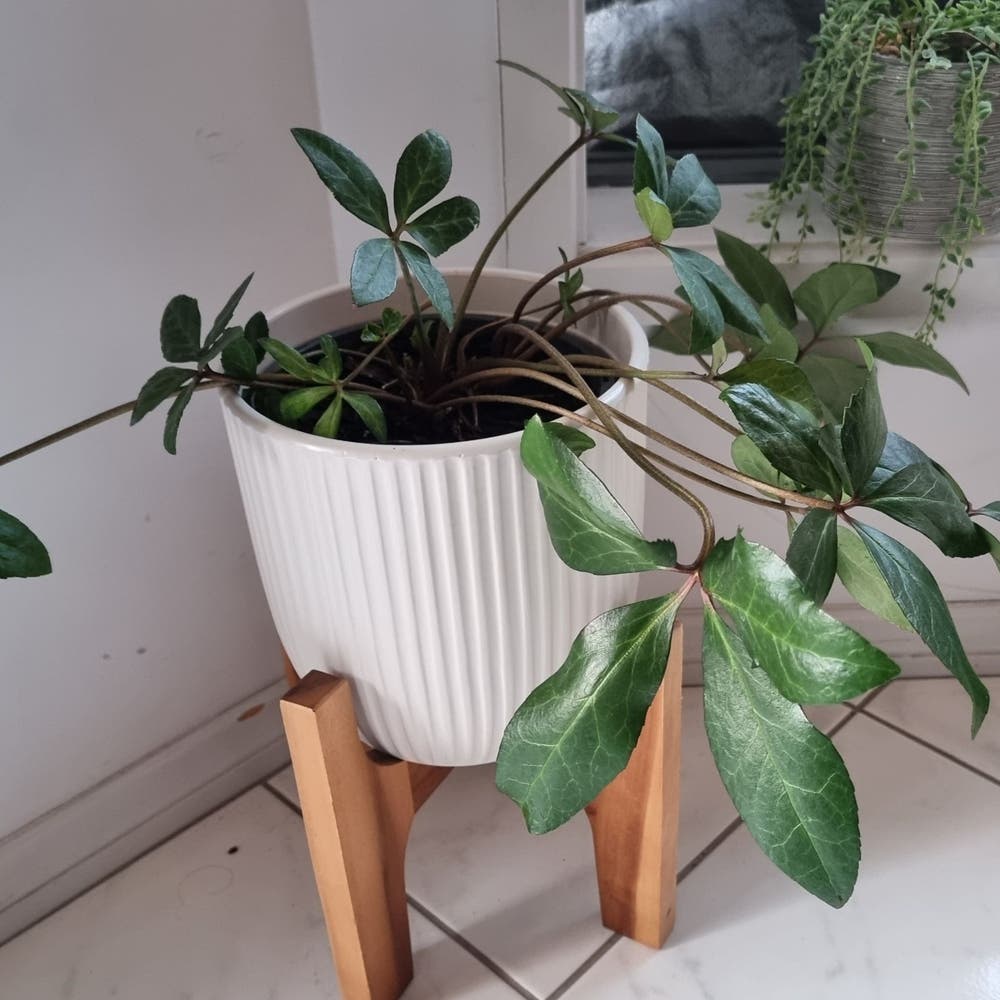
🌸 Best Tips for Repotting Purple Hellebore
Helleborus orientalis
By the Greg Editorial Team
Oct 19, 2024•6 min read
This article was created with the help of AI so we can cover more plants for you. May contain errors. See one? Report it here.
Revitalize your purple hellebore by spotting repotting signs early and following essential care tips! 🌱
- 🌱 Roots out of drainage holes indicate it's time to repot your purple hellebore.
- 🌼 Stunted growth and yellow leaves signal your plant needs a new pot.
- 🌞 Repot in early spring for optimal growth before new leaves emerge.
Signs That Your Purple Hellebore Needs Repotting
🌱 Root System Indicators
One of the first signs that your purple hellebore needs repotting is when you notice roots growing out of the drainage holes. This indicates that the plant is root-bound and struggling for space.
Another indicator is a dense root mass, where roots are tightly packed and circling the pot. This can hinder the plant's growth and overall health.
🌿 Plant Health Indicators
Stunted growth is a clear signal that your hellebore may need a new home. If you observe a lack of new growth or smaller leaves than usual, it’s time to take action.
Yellowing leaves can also be a red flag. This often points to poor soil conditions or a lack of nutrients, both of which can be remedied by repotting.
📅 Seasonal Indicators
Timing is crucial when assessing your hellebore's needs. The best period to evaluate whether it requires repotting is during the growing season, specifically from spring to early summer, when the plant is actively growing.
Recognizing these signs early can make a significant difference in your plant's health and vitality. By staying attentive, you can ensure your purple hellebore thrives in its environment.
Next, let’s explore the best time of year to repot your hellebore for optimal results.
Best Time of Year to Repot Hellebore
Optimal Timing 🌱
The best time to repot your purple hellebore is early spring. This is just before new growth begins, allowing the plant to bounce back quickly.
Late summer is another good option, especially after flowering has finished. This timing gives the plant a chance to establish itself before the winter chill sets in.
Seasonal Considerations 🌦️
Be mindful of extreme temperatures when planning your repotting. Avoid doing it during hot summer days or cold winter nights to minimize stress on your plant.
Choosing the right time can make all the difference in ensuring your hellebore thrives. With the right conditions, your plant will flourish and reward you with beautiful blooms.
Step-by-Step Guide to Repotting Hellebore
Repotting your purple hellebore can seem daunting, but with the right steps, it can be a smooth process. Follow this guide to ensure your plant thrives in its new home.
1. Prepare the New Pot 🌱
Start by selecting a pot that is 1-2 inches larger in diameter than the current one. Make sure it has adequate drainage holes to prevent waterlogging.
2. Select the Right Potting Soil 🪴
Use a well-draining potting mix specifically designed for hellebore. This will provide the nutrients your plant needs while allowing excess water to escape.
3. Remove the Plant 🌿
Gently loosen the soil around the edges of the pot. Carefully lift the plant out, taking care to minimize disturbance to the root system.
4. Inspect the Roots 🔍
Check the roots for any damage or decay. Trim away any dead roots using sterilized scissors to promote healthy growth.
5. Place in the New Pot 🏺
Position the plant at the same depth it was in the old pot. Fill in with fresh potting soil, ensuring there are no air pockets that could hinder growth.
6. Water Thoroughly 💧
Once potted, water the plant until water drains from the bottom. This ensures the soil is evenly moist, setting your hellebore up for success.
By following these steps, you’ll give your purple hellebore the best chance to flourish in its new environment. Next, let’s explore how to care for your hellebore after repotting to ensure it continues to thrive.
Pot Material Options
Best Pot Materials for Hellebore 🌱
When choosing a pot for your purple hellebore, consider terracotta pots. They offer excellent drainage and breathability, which helps prevent root rot.
Plastic pots are another option. They are lightweight and retain moisture better, but make sure they have adequate drainage holes to avoid waterlogging.
Pot Materials to Avoid for Hellebore 🚫
Stay away from metal pots. They can overheat, potentially damaging the roots of your plant.
Also, avoid non-breathable materials. These can trap moisture and increase the risk of root rot due to poor drainage.
Benefits of Using Terracotta vs. Plastic Pots ⚖️
Terracotta pots have the advantage of being a natural material. They allow for moisture evaporation, which reduces the risk of overwatering.
On the other hand, plastic pots are often more affordable and easier to handle. However, they may require more careful monitoring of moisture levels to keep your hellebore thriving.
Choosing the right pot material is crucial for the health of your purple hellebore. With the right container, your plant will have the best chance to flourish.
Next, let’s explore how to care for your hellebore after repotting to ensure it continues to thrive.
Post-Repotting Care
🌱 How to Care for Hellebore After Repotting
After repotting your purple hellebore, the initial placement is crucial. Keep it in a shaded area to help reduce stress during this transition.
Avoid fertilizing immediately; give your plant a few weeks to acclimate to its new environment. This patience will pay off in the long run.
💧 Watering Tips After Repotting
Water your hellebore lightly for the first few weeks. The goal is to keep the soil moist but not soggy, which can lead to root rot.
Monitor moisture levels daily until the plant establishes itself. This attention ensures your hellebore gets the right amount of hydration.
🚨 Signs of Stress in Repotted Hellebore and How to Address Them
Watch for wilting leaves, which can indicate stress. If you notice this, consider increasing humidity or adjusting your watering schedule.
Leaf drop is another sign of distress. Ensure your plant has proper light conditions and avoid overwatering to help it recover.
By following these care tips, your hellebore will thrive in its new pot, setting the stage for vibrant growth. Next, let’s explore common mistakes to avoid during the repotting process.
Common Mistakes in Repotting Hellebore
🌱 Overpotting vs. Underpotting
Choosing the right pot size is crucial for your Hellebore's health. Overpotting, or selecting a pot that's too large, can lead to excess moisture retention, which may cause root rot.
On the flip side, underpotting can restrict root growth. A pot that's too small won't allow your plant to thrive, leading to stunted growth and other issues.
🧐 Ignoring Root Health During Repotting
When repotting, inspecting the roots is essential. Healthy roots are the backbone of your plant's recovery and growth, so take the time to trim any damaged or dead roots.
Neglecting this step can hinder your Hellebore's ability to adapt to its new environment, ultimately affecting its overall health.
⏳ Not Considering Seasonal Changes
Timing your repotting is just as important as the process itself. Repotting during dormancy can stress your plant, making it harder for it to bounce back.
Aim to repot during the active growing season for the best results. This way, your Hellebore can quickly acclimate and flourish in its new home.
By avoiding these common mistakes, you'll set your Hellebore up for success. Next, let’s explore how to care for your plant after repotting to ensure it thrives.
⚠️ Safety First
This content is for general information and may contain errors, omissions, or outdated details. It is not medical, veterinary advice, or an endorsement of therapeutic claims.
Always consult a qualified healthcare professional before using any plant as food, medicine, or supplement.
Never eat any plant (or feed one to pets) without confirming its identity with at least two trusted sources.
If you suspect poisoning, call Poison Control (800) 222-1222, the Pet Poison Helpline (800) 213-6680, or your local emergency service immediately.
Spotted an error? Please report it here.
Repot your purple hellebore with confidence 🌱 by using Greg's tailored reminders and expert tips to ensure a smooth transition and vibrant growth!