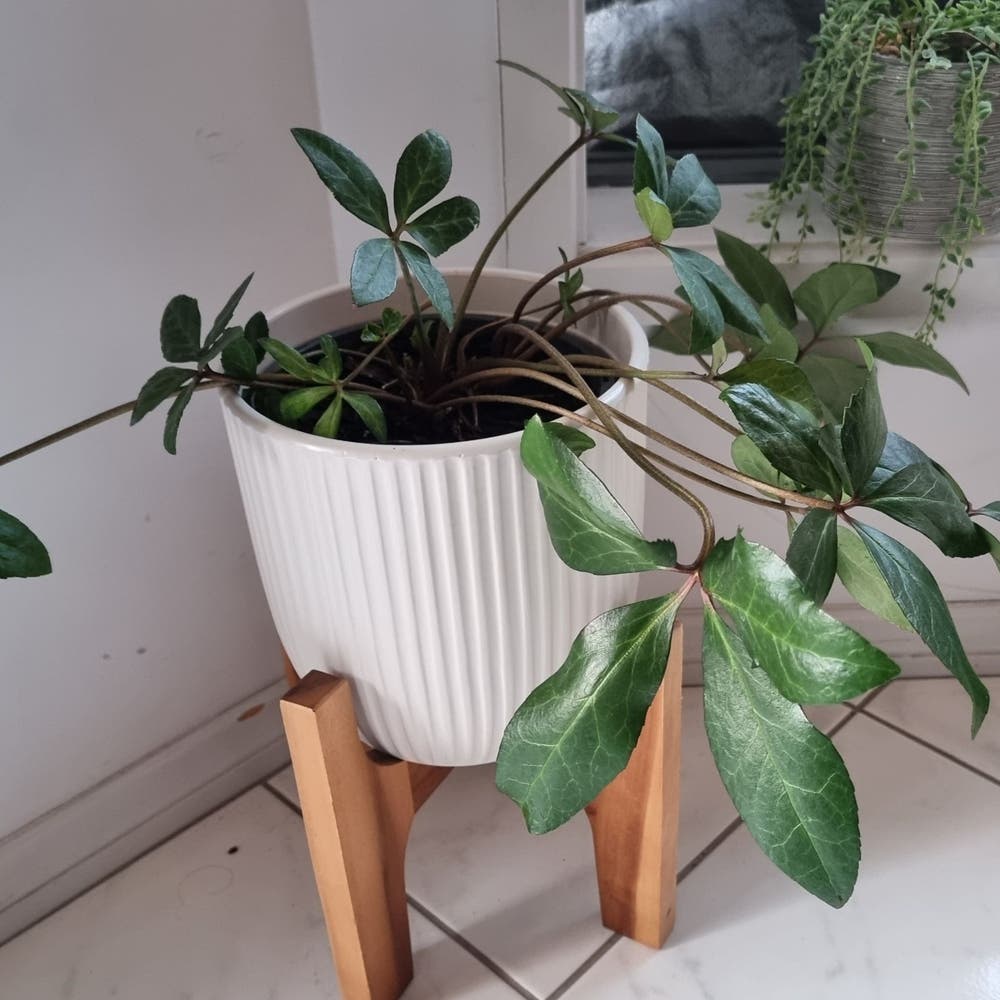
🌸 4 Tips for Fertilizing Your Purple Hellebore
Helleborus orientalis
By the Greg Editorial Team
Oct 19, 2024•4 min read
This article was created with the help of AI so we can cover more plants for you. May contain errors. See one? Report it here.
Master the art of fertilizing purple hellebores 🌸 for stunning blooms and vibrant growth in your garden! 🌱
- 🌱 Fertilize in early March for optimal nutrient uptake as growth begins.
- ❌ Avoid fall fertilization to prevent winter burn damage to hellebores.
- 🔍 Conduct soil tests to assess nutrient levels before applying fertilizers.
When to Fertilize
Best Time to Fertilize in Spring 🌱
Timing is everything when it comes to fertilizing your purple hellebore. Aim to fertilize just as new growth begins, typically in early March, to give your plants the nutrients they need right when they need them.
Aligning your fertilization with the blooming cycle is crucial. This ensures that your hellebores have the energy to produce those stunning flowers you love.
Seasonal Considerations 🍂
Fall fertilization is generally not recommended. The risk of winter burn can damage your plants, so it's best to avoid feeding them during this time.
Adjust your fertilization schedule based on local climate and frost dates. Knowing your area's specific conditions can help you optimize the health of your hellebores.
How to Fertilize
Step-by-Step Guide 🌱
Assess Soil Quality: Start by conducting a soil test to determine nutrient levels. This step is crucial for understanding what your purple hellebore needs.
Choose the Right Fertilizer: Opt for organic fertilizers like compost or fish emulsion. These options enrich the soil without the harsh chemicals found in synthetic alternatives.
Measure the Appropriate Amount: Follow the package instructions based on your plant's size. Accurate measurement ensures your hellebore receives just the right amount of nutrients.
Apply Fertilizer: Evenly distribute the fertilizer around the base of the plant. Be careful to avoid direct contact with the stems to prevent damage.
Water Thoroughly: After applying the fertilizer, water the area well. This helps the nutrients penetrate the soil and reach the roots effectively.
Recommended Fertilizer Types 🌿
Organic Options: Compost, well-rotted manure, or balanced organic blends are excellent choices. They improve soil health and promote robust growth.
Synthetic Options: If you prefer synthetic fertilizers, look for slow-release varieties with a balanced NPK ratio. These can provide a steady supply of nutrients over time.
Application Techniques 🧑🌾
Hand-Held Spreader: For larger areas, using a hand-held spreader can save time and ensure even distribution.
Hand Application: In smaller gardens, applying by hand allows for more precise coverage. Just make sure to spread it evenly to avoid hot spots.
By following these steps, you’ll set your purple hellebore up for success. Proper fertilization not only enhances growth but also boosts blooming potential, making your garden a vibrant spectacle.
Next, let’s explore how much fertilizer to use for optimal results.
How Much to Fertilize
Recommended Dosage 🌱
When it comes to fertilizing your purple hellebore, a general guideline is to use 1-2 cups of organic fertilizer per plant. For young plants, stick to 1 cup, while mature plants can benefit from up to 2 cups.
Adjusting Amounts Based on Soil Quality 🏞️
Soil quality plays a crucial role in determining how much fertilizer to use. If your soil is poor, consider increasing the dosage slightly to make up for nutrient deficiencies.
Conversely, if your soil is rich, it's wise to reduce the amount to prevent nutrient overload. This balance ensures your hellebore thrives without the risk of over-fertilization.
With the right dosage and adjustments, your purple hellebore will flourish beautifully. Next, let’s explore how to avoid the pitfalls of over-fertilization.
Avoiding Over-Fertilization
🌿 Signs of Over-Fertilization
Over-fertilization can lead to several distressing symptoms in your purple hellebore. Look out for yellowing leaves, stunted growth, and even root burn, which can signal that your plant is overwhelmed by excess nutrients.
🌸 Impact on Blooming
When your hellebore is over-fertilized, it may struggle to produce flowers. This can result in reduced flower production and overall vigor, leaving your garden less vibrant than you hoped.
⚠️ Correcting Over-Fertilization Issues
If you suspect over-fertilization, immediate action is crucial. Start by flushing the soil with water to dilute the excess nutrients and help your plant recover.
🔧 Long-Term Solutions
To prevent future issues, adjust your fertilization schedule and dosage. This proactive approach will help maintain a healthy balance for your hellebore.
📊 Best Practices
Regular soil testing is essential for monitoring nutrient levels. This allows you to adjust your feeding schedule accordingly, ensuring your plants receive just what they need.
🕰️ Use Slow-Release Fertilizers
Opt for slow-release fertilizers to minimize the risk of nutrient spikes. These fertilizers provide a steady supply of nutrients over time, reducing the chances of overwhelming your plants.
📅 Follow a Consistent Feeding Schedule
Adhering to a consistent feeding schedule is key. Stick to recommended timings and amounts to keep your hellebore thriving without the risk of over-fertilization.
By keeping an eye on these signs and following best practices, you can ensure your purple hellebore remains healthy and beautiful. Next, let’s explore how much fertilizer to use for optimal growth.
⚠️ Safety First
This content is for general information and may contain errors, omissions, or outdated details. It is not medical, veterinary advice, or an endorsement of therapeutic claims.
Always consult a qualified healthcare professional before using any plant as food, medicine, or supplement.
Never eat any plant (or feed one to pets) without confirming its identity with at least two trusted sources.
If you suspect poisoning, call Poison Control (800) 222-1222, the Pet Poison Helpline (800) 213-6680, or your local emergency service immediately.
Spotted an error? Please report it here.
Boost your purple hellebore's blooming potential 🌸 by using Greg's tailored reminders and soil testing features to keep your plants thriving all season long!