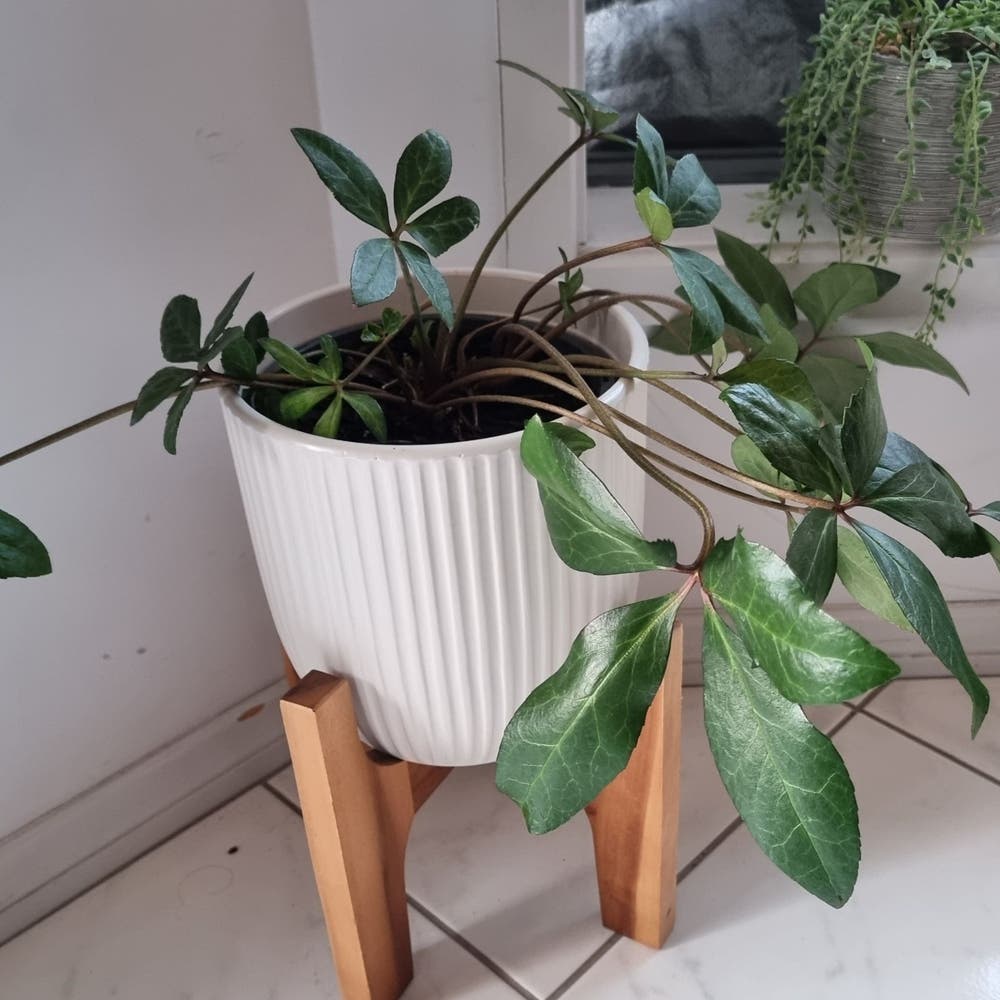
5 Ideal Companions for Your Purple Hellebore 🌸
Helleborus orientalis
By the Greg Editorial Team
Oct 19, 2024•3 min read
This article was created with the help of AI so we can cover more plants for you. May contain errors. See one? Report it here.
Elevate your garden's beauty 🌸 and health by pairing purple hellebore with these ideal companion plants! 🌿
- 🌿 Ferns, Hostas, and Astilbe thrive in shade, making them ideal for purple hellebore.
- 🐌 Hostas repel slugs, while Brunnera and Pulmonaria suppress weeds and enhance aesthetics.
- 🌼 Choose companions wisely to create a vibrant, healthy ecosystem for your hellebore.
Ideal Companion Plants for Purple Hellebore
🌿 Ferns
Ferns are a fantastic choice for companion planting with purple hellebore. They thrive in similar shade-loving conditions and prefer moist, well-drained soil.
Their dense foliage acts as a natural deterrent for certain pests, keeping your garden healthier. Plus, the delicate fronds of ferns provide a soft texture that beautifully complements the leathery leaves of hellebore.
🌱 Hostas
Hostas are another ideal companion, requiring similar light and moisture conditions. With varieties ranging from small to large, they offer flexibility in your garden design.
These plants are also beneficial for pest management; their large leaves can deter slugs and snails, common nuisances for hellebore. The varied leaf colors and textures of hostas enhance the visual interest alongside hellebore blooms.
🌸 Astilbe
Astilbe prefers partial to full shade and moist soil, aligning perfectly with hellebore's needs. This plant not only thrives in similar conditions but also attracts beneficial pollinators, boosting overall garden health.
The feathery flower spikes of astilbe add height and texture, contrasting beautifully with the nodding flowers of hellebore. This combination creates a stunning visual display in your garden.
🍃 Brunnera
Brunnera thrives in the same shade and moisture conditions as hellebore. It’s versatile, tolerating a variety of soil types, making it an excellent companion.
Additionally, its foliage helps suppress weeds, reducing competition for nutrients. The heart-shaped leaves and small blue flowers of brunnera create a charming visual pairing with hellebore.
🌼 Pulmonaria
Pulmonaria prefers moist, well-drained soil and partial shade, making it another great match for hellebore. It blooms early in the spring, perfectly complementing hellebore's flowering period.
This plant contains compounds that can repel certain pests, adding an extra layer of protection. With its variegated leaves and vibrant flowers, pulmonaria enhances the garden's aesthetic while providing a splash of color.
These companion plants not only thrive alongside purple hellebore but also contribute to a vibrant, healthy garden ecosystem. Next, let’s explore which plants to avoid near your hellebore to ensure optimal growth and health.
Plants to Avoid Near Purple Hellebore
🌾 Certain Types of Grasses
When planning your garden, it's crucial to steer clear of certain grasses. They tend to compete fiercely for moisture and nutrients, which can stunt the growth of your beloved Hellebore.
Moreover, their aggressive growth can overshadow the delicate blooms of Hellebore, diminishing their beauty. You want your garden to be a harmonious blend, not a battleground for resources.
☠️ Other Toxic Plants
Another category to avoid includes other toxic plants. These can pose risks for pets and children, making your garden less inviting and safe.
Additionally, many toxic plants attract pests that can harm your Hellebore. Keeping your garden healthy means being mindful of what you plant nearby.
By avoiding these plants, you can create a thriving environment for your Purple Hellebore. This careful selection will ensure your garden remains a vibrant and safe space for everyone to enjoy.
Next, let’s explore some ideal companions that will enhance your Hellebore’s beauty and health!
⚠️ Safety First
This content is for general information and may contain errors, omissions, or outdated details. It is not medical, veterinary advice, or an endorsement of therapeutic claims.
Always consult a qualified healthcare professional before using any plant as food, medicine, or supplement.
Never eat any plant (or feed one to pets) without confirming its identity with at least two trusted sources.
If you suspect poisoning, call Poison Control (800) 222-1222, the Pet Poison Helpline (800) 213-6680, or your local emergency service immediately.
Spotted an error? Please report it here.
Create a thriving garden 🌱 for your purple hellebore by pairing it with ferns and hostas, and let Greg guide you with tailored care tips to help them flourish together!