💜 5 Key Aspects of Purple Hellebore Size
Helleborus orientalis
By the Greg Editorial Team
Oct 19, 2024•5 min read
This article was created with the help of AI so we can cover more plants for you. May contain errors. See one? Report it here.
Unlock a stunning garden with purple hellebores 🌱 by mastering their growth and care for vibrant blooms!
- 🌱 Purple hellebore grows 12-24 inches tall and spreads 18-24 inches wide.
- ☀️ Soil quality and light exposure significantly influence purple hellebore size.
- 🌿 Pruning in spring helps manage size and promotes healthier growth.
Mature Height and Spread
Typical Dimensions 🌱
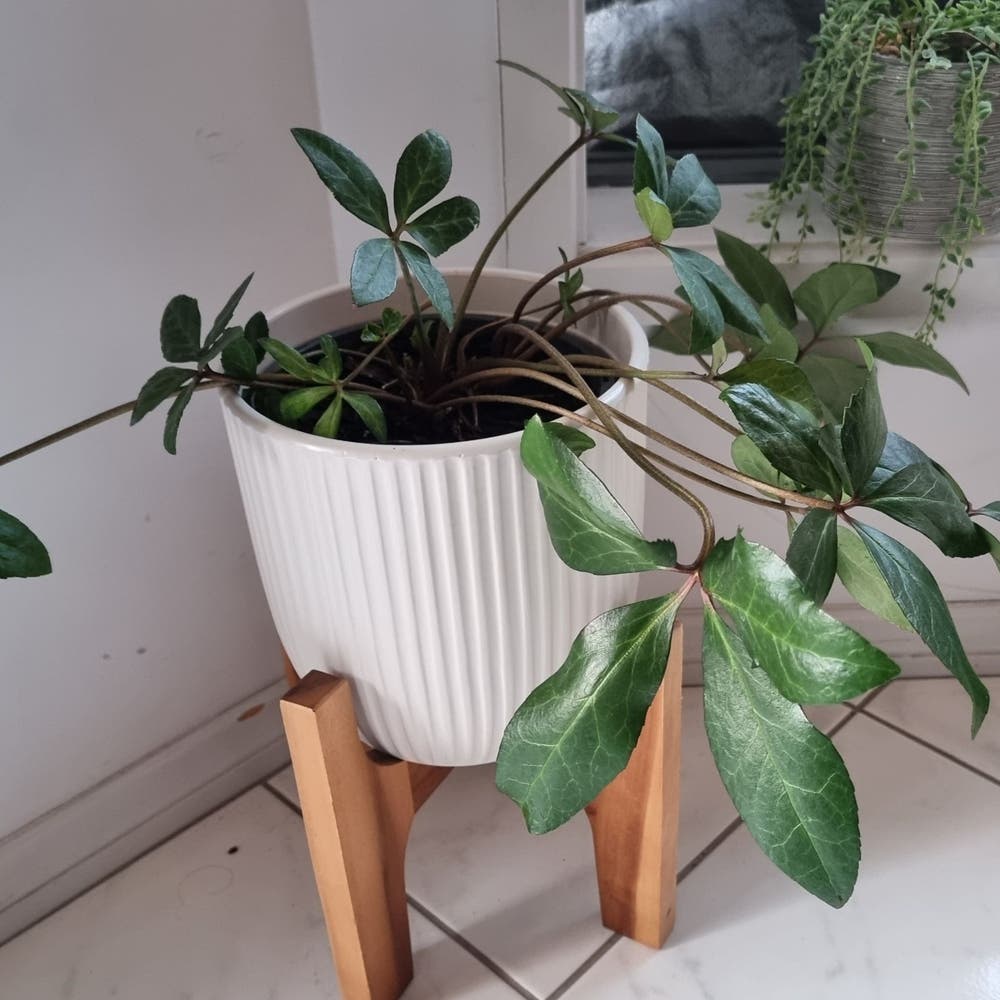
Purple hellebore typically reaches a mature height of 12 to 24 inches. Its spread usually ranges from 18 to 24 inches, making it a versatile choice for various garden settings.
Factors Influencing Size 📏
The size of purple hellebore can vary significantly based on several growing conditions.
Soil Quality and Type
Rich, well-drained soil can enhance growth, while poor soil may stunt it.
Light Exposure and Shade Tolerance
These plants thrive in partial shade but can adapt to varying light conditions, impacting their overall dimensions.
Climate and Temperature Effects
Temperature plays a crucial role; ideal conditions can lead to robust growth, while extreme climates may hinder development.
Understanding these factors can help you cultivate healthy, vibrant hellebores in your garden. As you plan your planting, consider how these elements will influence the size and health of your plants.
Growth Rate and Time to Full Size
Growth Rate Characteristics 🌱
Purple hellebore exhibits a moderate growth rate, typically taking about 2 to 3 years to reach its full size. This timeline allows gardeners to anticipate when their plants will flourish.
Timeline to Maturity ⏳
Understanding the growth timeline can help you nurture your hellebores effectively:
Year 1: The plant focuses on establishing its roots. During this time, you may not see much above ground, but below, it's laying the groundwork for future growth.
Year 2: Expect significant leaf growth and the first signs of flowering. This year is crucial as the plant begins to show its potential.
Year 3: By now, your hellebore should achieve its mature height and spread. This is when you can truly appreciate its beauty in your garden.
With this knowledge, you can better plan your garden layout and care routines. Understanding the growth rate and timeline will ensure your purple hellebores thrive beautifully.
Size Variability Based on Conditions
🌱 Soil Impact on Size
The quality of soil plays a crucial role in the growth of purple hellebore. Rich, well-drained soil fosters optimal growth, allowing the plants to thrive and reach their full potential.
Conversely, poor soil conditions can lead to stunted growth. If the soil lacks nutrients or drainage, you might find your hellebores struggling to establish themselves.
☀️ Light Requirements
Light exposure significantly influences the size of purple hellebore. Full shade can limit growth, while partial shade often encourages more robust development.
These plants show remarkable tolerance to varying light conditions, but the right balance is essential for achieving ideal dimensions. Too much shade can hinder their growth, while too much sun may stress them.
🌡️ Climate Effects on Growth
Temperature ranges are vital for maximizing growth. Purple hellebores flourish in moderate climates, where they can enjoy the right balance of warmth and coolness.
Regional differences also affect growth patterns. Understanding your local climate can help you provide the best conditions for your hellebores, ensuring they reach their desired size.
In summary, soil quality, light exposure, and climate all play pivotal roles in determining the size of your purple hellebores. By optimizing these factors, you can cultivate a thriving garden filled with these beautiful plants. Next, let’s explore the various hellebore varieties and how they differ in size.
Varieties
Dwarf Varieties 🌱
Dwarf hellebore varieties are perfect for smaller gardens or container planting. A prime example is 'Penny's Pink,' which typically reaches a height of just 8 to 12 inches.
To maintain their compact size, these plants thrive in rich, well-drained soil and benefit from partial shade. This combination helps them flourish without overwhelming your garden space.
Giant Varieties 🌳
On the other end of the spectrum, giant hellebore varieties can exceed 24 inches in height. These robust plants make a striking statement in any landscape.
When considering giant varieties, think about their space requirements. They need room to spread out, so plan their placement carefully to avoid crowding other plants in your garden.
Understanding the differences between dwarf and giant varieties allows you to choose the right hellebore for your specific gardening needs. This knowledge will help you create a balanced and visually appealing garden.
Controlling Size
✂️ Pruning Techniques for Size Management
Pruning is a vital technique for managing the size of your purple hellebore. The best time to prune is in early spring, just before new growth begins.
Use clean, sharp tools to make precise cuts. Focus on removing dead or damaged leaves and stems, which encourages healthier growth and maintains desired dimensions.
🌱 Seasonal Considerations for Pruning
Consider the seasonal changes when planning your pruning. In spring, you can shape the plant, while in late summer, light trimming can help control size without stressing the plant.
Regular maintenance ensures your hellebore remains vibrant and within your preferred size range.
📏 Other Methods to Influence Growth Dimensions
Beyond pruning, several techniques can help influence the growth dimensions of purple hellebore. Soil amendments, such as adding organic matter, can enhance nutrient availability and promote optimal growth.
Adjusting light exposure is another effective method. If your hellebore receives too much sun, consider providing partial shade to help control its size.
🪴 Using Containers to Restrict Growth
Using containers is a practical approach to limit the growth of your hellebore. By planting in pots, you can effectively restrict root expansion, leading to a more compact plant.
This method is especially useful for smaller gardens or patios, allowing you to enjoy the beauty of hellebores without overwhelming your space.
As you explore these size-controlling techniques, remember that each plant is unique. Understanding your purple hellebore's specific needs will help you achieve the perfect balance in your garden.
Next, let’s dive into the fascinating world of hellebore varieties and how they differ in size and characteristics.
⚠️ Safety First
This content is for general information and may contain errors, omissions, or outdated details. It is not medical, veterinary advice, or an endorsement of therapeutic claims.
Always consult a qualified healthcare professional before using any plant as food, medicine, or supplement.
Never eat any plant (or feed one to pets) without confirming its identity with at least two trusted sources.
If you suspect poisoning, call Poison Control (800) 222-1222, the Pet Poison Helpline (800) 213-6680, or your local emergency service immediately.
Spotted an error? Please report it here.
Cultivate stunning purple hellebores 🌸 with Greg's tailored care tips and reminders, ensuring your plants thrive to their full potential!