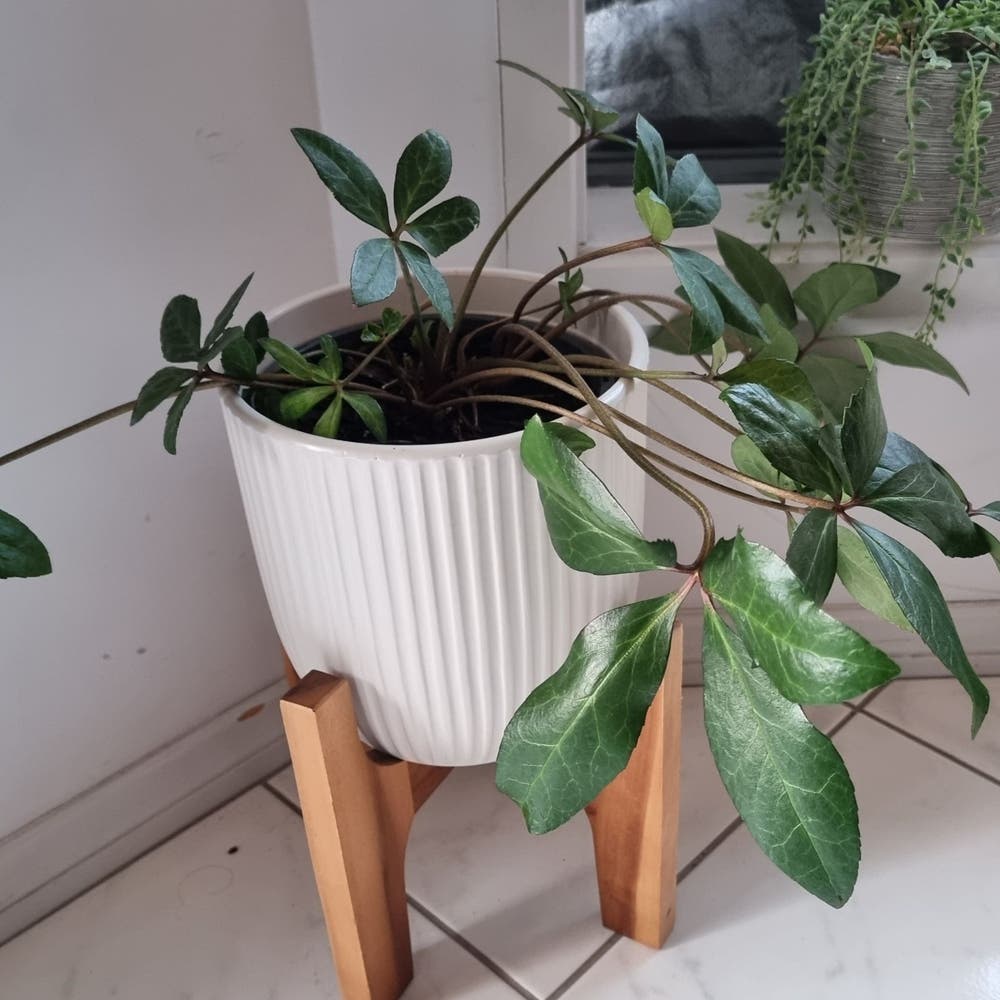
💡 Your Purple Hellebore's Light Requirements
Helleborus orientalis
By the Greg Editorial Team
Oct 19, 2024•4 min read
This article was created with the help of AI so we can cover more plants for you. May contain errors. See one? Report it here.
Master the light needs of purple hellebores 🌸 for stunning blooms and vibrant growth, indoors and out!
- 🌞 Purple hellebores thrive in bright, indirect light for optimal growth indoors.
- 🪴 Ideal locations are north or east-facing windows; avoid direct sunlight to prevent scorch.
- 💡 Use grow lights to supplement low light; aim for 12-14 hours daily for best results.
Indoor Light Conditions
Optimal Indoor Light Exposure 🌞
Purple hellebores thrive in bright, indirect light. The best spots for these beauties are near north or east-facing windows, where they can soak up the right amount of light without the harshness of direct sun.
Direct sunlight can lead to leaf scorch and stunted growth, so it’s crucial to position them wisely. Keeping them in a well-lit area will ensure they flourish and maintain their vibrant colors.
Adjusting Indoor Light Conditions 💡
To create the perfect indoor environment, consider using sheer curtains. These can diffuse harsh sunlight, providing a gentle glow that your hellebore will love.
Rotating your plant regularly is another simple trick to ensure even light exposure. Additionally, using a light meter can help you monitor conditions precisely, allowing you to make adjustments as needed for optimal growth.
With these tips, your purple hellebore will be well on its way to thriving indoors! Next, let’s explore how outdoor light conditions can further enhance its beauty.
Outdoor Light Conditions
Optimal Outdoor Light Exposure 🌤️
For your Purple Hellebore, the best light conditions are partial shade, ideally receiving 3-6 hours of filtered sunlight daily. This can be achieved by placing them under deciduous trees or in shaded garden beds, where they can enjoy dappled light without the harshness of direct sun.
Interestingly, these plants can also thrive in full shade. This means they can adapt well to environments with minimal direct sunlight, making them versatile choices for various garden settings.
Seasonal Considerations for Outdoor Light 🌸
As spring approaches, light exposure becomes crucial for your Hellebore's blooming cycle. As trees begin to leaf out, the amount of light reaching your plants changes, impacting their growth and flowering.
It's wise to adjust your planting locations based on seasonal sun patterns. Keep an eye on surrounding vegetation, as it can significantly affect light availability throughout the year. Monitoring these changes ensures your Hellebore receives the optimal light it needs to flourish.
With a solid understanding of outdoor light conditions, you're well on your way to nurturing a vibrant Purple Hellebore. Next, let’s explore how light impacts flowering and what conditions are best for those stunning blooms.
Impact of Light on Flowering
🌸 Flowering Conditions
Light exposure plays a crucial role in triggering blooms for your Purple Hellebore. Early spring flowering is particularly influenced by the amount of light available as the days lengthen.
Consistent light conditions are essential for healthy flowering. Fluctuations in light can lead to weak blooms or even prevent flowering altogether.
🌼 Varietal Differences
Different varieties of Purple Hellebore have unique light preferences. For instance, the 'Orientalis' series thrives in bright, indirect light, while the 'Winter Jewels' series can tolerate slightly lower light conditions.
Understanding these differences can help you provide the best environment for your plants. Tailoring light exposure to each variety ensures vibrant blooms and robust growth.
As you consider the impact of light on flowering, remember that the right conditions can make all the difference. Next, we’ll explore how to effectively use grow lights to supplement natural light when needed.
Use of Grow Lights
🌟 Benefits of Grow Lights
Grow lights are a game-changer when natural light falls short. If your purple hellebore is struggling in low-light conditions, it's time to consider these artificial options.
LED and fluorescent grow lights are the most popular choices. LEDs are energy-efficient and long-lasting, while fluorescents are budget-friendly and effective for short-term use.
For optimal growth, aim for 12-14 hours of light daily. This duration mimics natural sunlight and encourages healthy development.
🔧 Setting Up Grow Lights
Placement is crucial for success. Position your grow lights 12-24 inches above your plant to ensure adequate coverage without overwhelming it.
Adjust the light intensity based on how your hellebore responds. If you notice yellowing leaves or stunted growth, it may be time to tweak the settings.
Keep an eye out for signs of stress or inadequate light exposure. Regular monitoring helps you catch issues early, ensuring your plant thrives under its new lighting conditions.
With the right setup, your purple hellebore can flourish, even in less-than-ideal lighting situations. Next, let’s explore how light impacts flowering and what conditions are best for those stunning blooms.
⚠️ Safety First
This content is for general information and may contain errors, omissions, or outdated details. It is not medical, veterinary advice, or an endorsement of therapeutic claims.
Always consult a qualified healthcare professional before using any plant as food, medicine, or supplement.
Never eat any plant (or feed one to pets) without confirming its identity with at least two trusted sources.
If you suspect poisoning, call Poison Control (800) 222-1222, the Pet Poison Helpline (800) 213-6680, or your local emergency service immediately.
Spotted an error? Please report it here.
Keep your purple hellebore blooming beautifully 🌼 by using Greg's light monitoring tools to ensure it gets the bright, indirect light it craves!