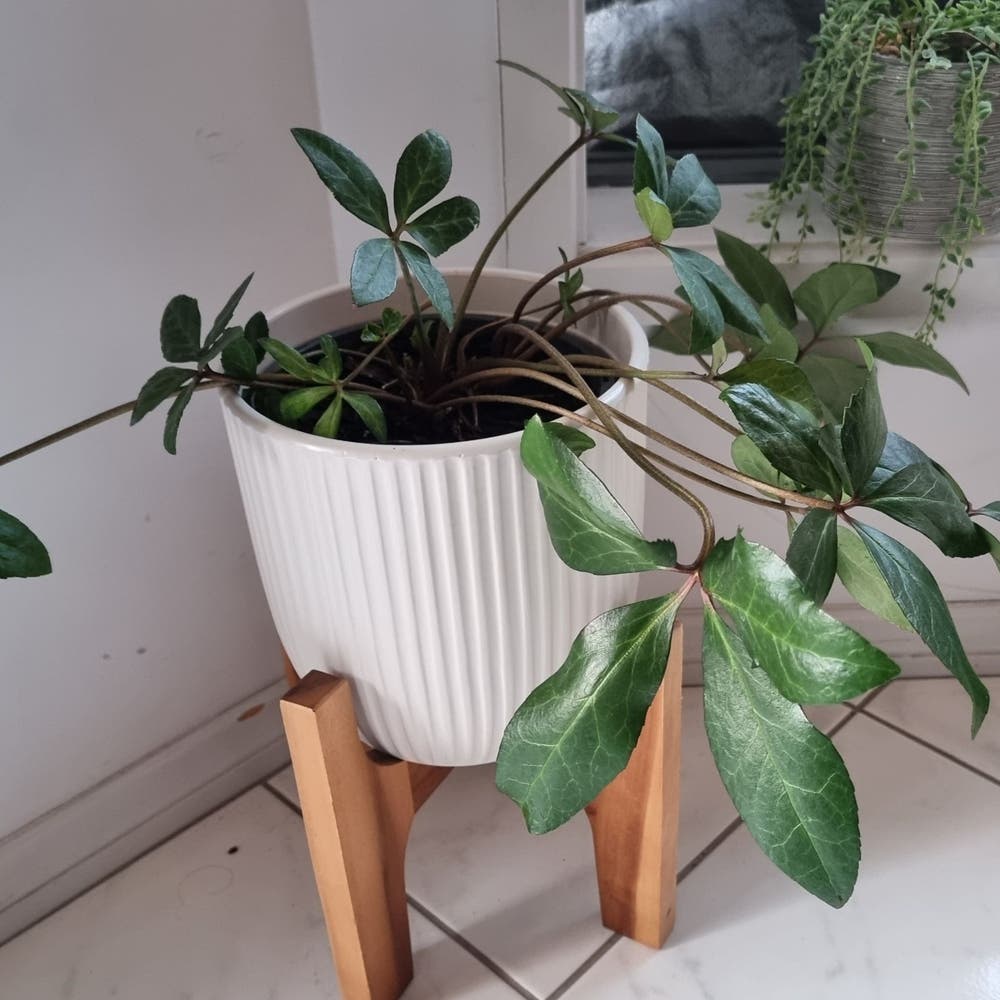
💜 Ultimate Guide for When to Plant Purple Hellebore
Helleborus orientalis
By the Greg Editorial Team
Oct 19, 2024•7 min read
This article was created with the help of AI so we can cover more plants for you. May contain errors. See one? Report it here.
Unlock your garden's potential by mastering frost dates, ensuring your plants thrive without frost damage! 🌱🌍
- ❄️ Know your frost dates to plant Purple Hellebore safely and successfully.
- 🌡️ Optimal soil temperature for planting is between 50°F to 65°F for best growth.
- 🌱 Timing varies by region; check local guidelines for ideal planting months.
Importance of Frost Dates
Understanding frost dates is crucial for successful gardening. These dates mark the last frost in spring and the first frost in fall, serving as a guide for when to plant.
🌱 Impact on Planting
Planting too early can expose young plants to frost damage, which can be devastating. Ideally, you should wait 2-4 weeks after the last frost date to ensure a safer environment for your Purple Hellebore.
🌍 Regional Variations in Frost Dates
Frost dates can vary significantly by region. For instance, Florida typically experiences its last frost much earlier than Colorado, making it essential to know your local climate for optimal planting times.
By keeping these frost dates in mind, you can set your Purple Hellebore up for success. Next, let’s explore how soil temperature plays a vital role in planting.
Soil Temperature Considerations
Understanding soil temperature is crucial for successfully planting Purple Hellebore. The optimal range is between 50°F to 65°F (10°C to 18°C).
🌡️ Checking Soil Temperature
To ensure your soil is within this ideal range, use a soil thermometer. Insert it into the ground at a depth of 2-4 inches for the most accurate reading.
📏 Importance of Soil Temperature
Soil temperature significantly influences germination and root establishment. If the soil is too cold, seeds may struggle to sprout, leading to poor growth.
Conversely, planting in warmer soil can promote quicker germination, setting your plants up for success.
🏁 Conclusion
By monitoring soil temperature, you can create the perfect environment for your Purple Hellebore. This attention to detail will pay off as your plants thrive, leading you into the next topic: understanding the effects of day length on plant growth.
Day Length Effects
Understanding Photoperiodism 🌅
Photoperiodism is the plant's response to the length of day and night. This phenomenon significantly influences growth, flowering, and seed germination.
Ideal Day Length for Purple Hellebore 🌸
For Purple Hellebore, early spring planting is ideal as it coincides with increasing day length. This alignment helps the plant thrive during its critical growth phase.
Short vs. Long Days 🌗
Short days can hinder germination and growth, while longer days promote robust development. Understanding these effects can help you time your planting for optimal results.
Practical Implications 📅
When planning your planting schedule, consider how day length varies in your region. This knowledge can enhance your success with Purple Hellebore and ensure a vibrant garden.
As you prepare for planting, remember that timing is everything. Next, we'll explore regional planting considerations to help you choose the best months for your area.
Regional Planting Considerations
🌱 Ideal Planting Months for Key States
When it comes to planting Purple Hellebore, timing is everything. Here’s a quick guide to the best months for planting in various states.
Florida
In Florida, the ideal planting window stretches from October to December. This timing allows the plants to establish before the heat of summer kicks in.
California
For California gardeners, the recommended planting time is September to November. This period aligns with the cooler fall temperatures, perfect for Hellebore growth.
Texas
In Texas, aim to plant between October and November. This timing helps ensure your plants thrive before the winter chill sets in.
New York
New Yorkers should plan to plant from April to May. This window takes advantage of the warming spring weather, giving your Hellebores a solid start.
Colorado
Similar to New York, Colorado gardeners should also target April to May for planting. The spring thaw provides the right conditions for these resilient plants.
Ohio
In Ohio, the ideal planting months mirror those of New York and Colorado, falling between April and May. This timing ensures that your Hellebores can flourish as the weather warms.
Understanding these regional planting times is crucial for successful growth. With the right timing, your Purple Hellebore can thrive beautifully in your garden.
Next, we’ll explore the differences between starting seeds indoors versus direct sowing.
Seed Starting vs. Direct Sowing
🌱 Benefits of Starting Seeds Indoors
Starting seeds indoors offers several advantages for gardeners eager to cultivate Purple Hellebore.
- Extended Growing Season: By beginning indoors, you can jumpstart growth, giving your plants a head start before outdoor conditions are favorable.
- Better Control: Indoor environments allow for optimal germination conditions, ensuring seeds receive the right moisture and temperature.
Aim to start your seeds 8-10 weeks before the last frost date. This timing maximizes your chances for a successful transition to outdoor planting.
⏰ Timing for Direct Sowing
Direct sowing can be a straightforward approach, but timing is crucial.
- Optimal Timing: Wait until after the last frost date and ensure soil temperatures are warm enough for germination.
- Regional Considerations: Different regions may have varying soil temperatures, so be mindful of local conditions when planning your sowing.
🌼 Specific Considerations for Purple Hellebore
When it comes to Purple Hellebore, cold stratification is a key step for successful germination.
- Stratification Duration: Seeds require 4-6 weeks in a cold, moist environment to break dormancy.
- Importance: This process mimics natural winter conditions, enhancing germination rates and ensuring robust growth.
Understanding these methods will set you up for success, whether you choose to start indoors or sow directly. As you prepare for planting, consider how these strategies align with your local climate and conditions.
Comprehensive Planting Guide for All States
🌱 Planting Times for Each of the 52 States
When it comes to planting Purple Hellebore, timing is everything. Here’s a detailed look at the recommended planting months for each state, ensuring your garden thrives.
| State | Recommended Planting Months |
|---|---|
| Florida | October to December |
| California | September to November |
| Texas | October to November |
| New York | April to May |
| Colorado | April to May |
| Ohio | April to May |
| Alabama | October to December |
| Oregon | September to October |
| Washington | September to October |
| North Carolina | October to December |
| Michigan | April to May |
| Pennsylvania | April to May |
| Illinois | April to May |
| New Jersey | April to May |
| Virginia | October to December |
| Massachusetts | April to May |
🌍 Key Factors Influencing Planting Times
Understanding regional variations is crucial for successful planting. Here are some key factors to consider:
Frost Dates: Each state has unique frost dates that dictate when it's safe to plant. Always check local frost dates to avoid frost damage.
Soil Temperature: Aim for soil temperatures between 50°F and 65°F. This range is essential for optimal germination and root establishment.
Day Length: The increasing day length in early spring can significantly impact growth. Align your planting with these natural cycles for the best results.
Climate Variations: Different climates affect moisture levels and temperature, influencing the ideal planting window. Be mindful of your local conditions.
By keeping these factors in mind, you can ensure your Purple Hellebore plants flourish in their respective environments.
Next, we’ll explore the differences between starting seeds indoors versus direct sowing, helping you choose the best method for your gardening style.
⚠️ Safety First
This content is for general information and may contain errors, omissions, or outdated details. It is not medical, veterinary advice, or an endorsement of therapeutic claims.
Always consult a qualified healthcare professional before using any plant as food, medicine, or supplement.
Never eat any plant (or feed one to pets) without confirming its identity with at least two trusted sources.
If you suspect poisoning, call Poison Control (800) 222-1222, the Pet Poison Helpline (800) 213-6680, or your local emergency service immediately.
Spotted an error? Please report it here.
Plant your Purple Hellebore at the perfect time for thriving blooms 🌼 by using Greg's tailored reminders and soil tips to navigate frost dates and temperatures!