Ultimate Guide to What's Eating Your Purple Hellebore 🐛
Helleborus orientalis
By the Greg Editorial Team
Oct 19, 2024•7 min read
This article was created with the help of AI so we can cover more plants for you. May contain errors. See one? Report it here.
Safeguard your beautiful purple hellebore 🌸 from hungry herbivores while enhancing your garden's vibrancy!
- 🌸 Purple hellebore attracts various herbivores, including deer, rabbits, and squirrels.
- 🦌 Identify damage: irregular chewed leaves indicate deer, while clean cuts signal rabbits.
- 🛡️ Effective deterrents include repellents, fencing, and companion planting for protection.
Most Appealing Parts to Animals
🌿 Description of Appearance and Characteristics
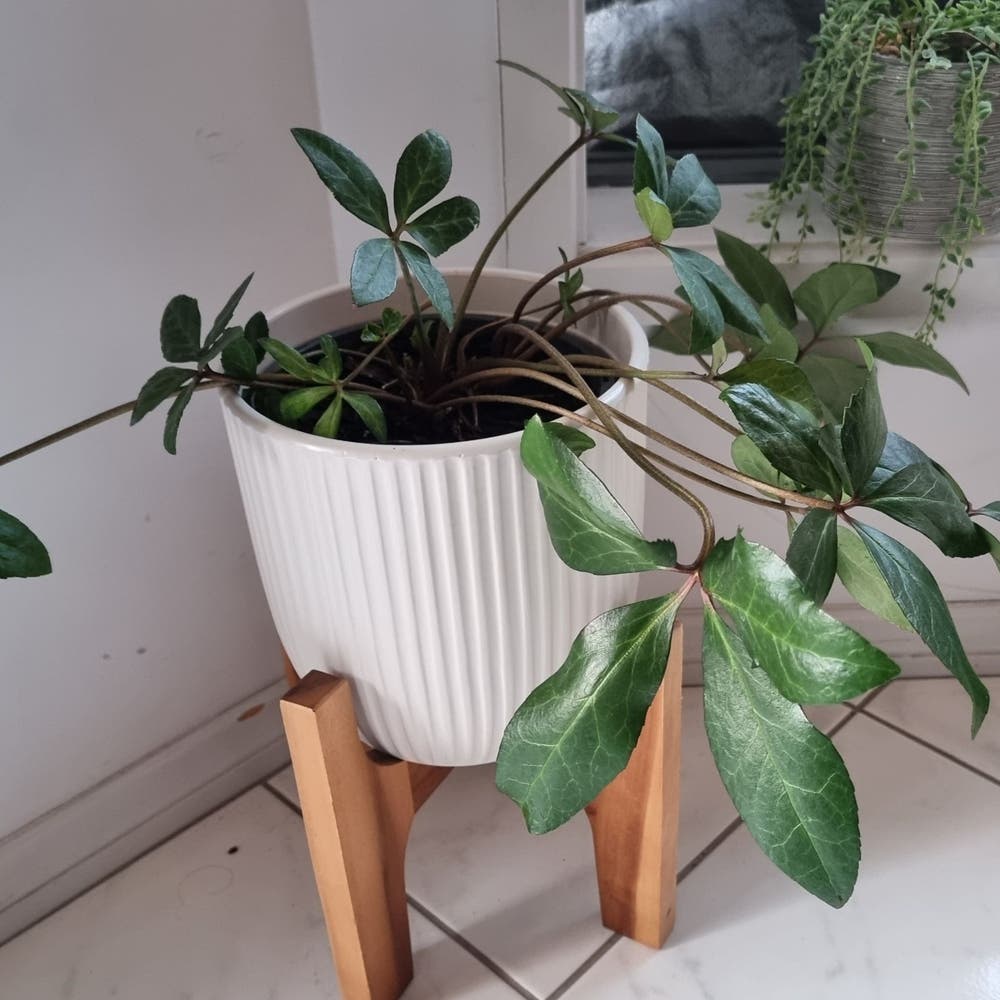
Purple hellebore is a striking plant that catches the eye with its distinctive leathery leaves. These dark green, palmate-shaped leaves create a lush backdrop for the plant's stunning blooms.
🌸 Cup-Shaped Flowers
The cup-shaped flowers of the purple hellebore bloom from late winter to early spring. Their colors range from pristine white to deep, rich purple, making them a visual delight for both gardeners and hungry herbivores.
📏 Growth Habit
This plant thrives in shaded, moist environments, typically reaching heights of 12 to 18 inches. Its growth habit not only makes it a favorite among gardeners but also attracts various animals looking for a tasty snack.
The combination of its appealing appearance and growth conditions makes purple hellebore a target for many herbivores. Understanding these characteristics can help you better protect your plants from potential threats.
Next, let’s explore the common herbivores that affect purple hellebore and how to identify their presence.
Common Herbivores Affecting Purple Hellebore
🦌 Deer
Signs of Presence and Damage Caused
Deer are notorious for their browsing habits. Look for irregularly chewed leaves and flowers, along with hoof prints in muddy areas near your purple hellebore.
Impact on the Plant (Beneficial or Harmful)
The impact of deer is generally harmful. If left unmanaged, they can severely damage or even kill your plants.
Deterrent Methods (Chemical and Organic)
To deter deer, consider using commercial repellents containing putrescent egg solids. Alternatively, planting deer-resistant species nearby or using human hair and soap shavings can also help keep them at bay.
🐇 Rabbits
Signs of Presence and Damage Caused
Rabbits leave distinct signs of their presence. Look for cleanly cut stems and leaves, often at a 45-degree angle, along with small, round droppings near the plant.
Impact on the Plant (Beneficial or Harmful)
Rabbits are generally harmful to purple hellebore. Their feeding can lead to stunted growth and reduced flowering.
Deterrent Methods (Chemical and Organic)
Bitter-tasting sprays serve as effective chemical deterrents against rabbits. For organic methods, consider installing fencing at least 2 feet high or planting rabbit-resistant plants nearby.
🐿️ Squirrels
Signs of Presence and Damage Caused
Squirrels can be quite destructive. Look for gnawed stems and flowers, along with twigs and leaves collected as nesting materials nearby.
Impact on the Plant (Beneficial or Harmful)
The impact of squirrels is generally harmful. Their feeding habits can disrupt both growth and flowering.
Deterrent Methods (Chemical and Organic)
Capsaicin-based sprays are effective chemical deterrents for squirrels. You can also use scare tactics like reflective objects or noise-makers to keep them away.
🐦 Birds
Signs of Presence and Damage Caused
Birds can be both friends and foes. Look for peck marks on flowers and nearby nests, which indicate their attraction to your hellebore.
Impact on the Plant (Beneficial or Harmful)
The impact of birds is mixed. While some may help control pests, others can cause damage to flowers.
Deterrent Methods (Chemical and Organic)
Typically, no chemical deterrents are used for birds. Instead, consider netting to protect flowers or using decoys to scare them away.
🐭 Rodents (Mice, Voles, etc.)
Signs of Presence and Damage Caused
Rodents can be sneaky. Signs include tunnels or burrows near the plant and chewed roots or stems.
Impact on the Plant (Beneficial or Harmful)
Rodents are generally harmful. Their activity can cause significant damage to your purple hellebore.
Deterrent Methods (Chemical and Organic)
Rodent bait stations serve as effective chemical deterrents. For organic solutions, traps or planting mint and other deterrent plants nearby can help.
🦡 Groundhogs/Woodchucks
Signs of Presence and Damage Caused
Groundhogs leave clear signs of their presence. Look for large holes or burrows and chewed stems and leaves.
Impact on the Plant (Beneficial or Harmful)
The impact of groundhogs is generally harmful. They can decimate plant populations if not controlled.
Deterrent Methods (Chemical and Organic)
Commercial repellents can deter groundhogs effectively. Additionally, fencing at least 3 feet high or planting deterrent species can provide organic solutions.
This overview of common herbivores affecting purple hellebore highlights the challenges gardeners face. By understanding the signs of these pests and implementing effective deterrent methods, you can protect your cherished plants and maintain a thriving garden. Next, let’s explore the beneficial animals that can enhance your garden ecosystem.
Beneficial Animals and Ecosystem Impact
🐝 Description of Beneficial Animals Attracted to Purple Hellebore
Purple hellebore isn't just a feast for herbivores; it also attracts a variety of beneficial animals. Bees and butterflies are drawn to its cup-shaped flowers, playing a crucial role in pollination.
Predatory insects like ladybugs and lacewings also find a home among the hellebore. These insects help control pest populations, making your garden healthier and more vibrant.
🌿 Positive Impacts on the Garden Ecosystem
The presence of pollinators enhances the overall health of your plants. Better pollination leads to more robust growth and flowering, creating a thriving garden environment.
Additionally, the predatory insects contribute to natural pest control. By keeping harmful insect populations in check, they help maintain a balanced ecosystem, reducing the need for chemical interventions.
Incorporating purple hellebore into your garden not only beautifies the space but also supports a diverse range of wildlife. This symbiotic relationship fosters a healthier garden, making it a win-win for both plants and animals.
As we explore further, let’s look at general strategies for protecting your purple hellebore from potential threats.
General Strategies for Protection
🛡️ Preventive Measures for Protecting Purple Hellebore
To safeguard your purple hellebore, consider installing fencing. Barriers can effectively keep larger herbivores at bay.
Companion planting is another smart strategy. By surrounding your hellebore with plants that deter herbivores, you create a natural defense system.
🚨 Reactive Solutions for Managing Animal Interactions
Monitoring your garden regularly is crucial. Keep an eye out for signs of animal activity to catch any issues early.
When you notice signs of herbivores, take immediate action. Implement deterrents as soon as possible to minimize damage.
📅 Seasonal Variations in Animal Attraction to Purple Hellebore
In spring, expect increased animal activity as plants emerge. This is when herbivores are most likely to be drawn to your hellebore.
By late summer, interest may decline as other food sources become available. Understanding these seasonal patterns can help you plan your protective measures effectively.
With these strategies, you can enjoy the beauty of your purple hellebore while keeping unwanted visitors at bay. Next, let’s explore the beneficial animals that can enhance your garden ecosystem.
Toxicity and Ecological Role
🐾 Discussion of Any Toxic Effects of Purple Hellebore on Animals
Purple hellebore is not just a pretty face; it contains toxic compounds like helleborin. These substances can lead to gastrointestinal distress in animals that munch on the plant.
Symptoms of toxicity may include vomiting and diarrhea, which can be serious for pets and livestock. It's essential to keep an eye on curious critters around your garden.
🌼 The Ecological Role of Purple Hellebore in the Local Environment
Despite its toxicity, purple hellebore plays a vital role in the ecosystem. It provides early-season nectar that attracts pollinators like bees and butterflies, helping to kickstart the pollination process in your garden.
Additionally, this plant contributes to soil health and biodiversity, especially in shaded areas. Its presence can enhance the overall vitality of your garden, making it a valuable addition despite its potential risks.
As you cultivate your garden, remember that every plant has its place, and purple hellebore is no exception. Its beauty and ecological benefits far outweigh the concerns about its toxicity.
Next, let’s explore some general strategies for protecting your purple hellebore from herbivores and ensuring its thriving presence in your garden.
⚠️ Safety First
This content is for general information and may contain errors, omissions, or outdated details. It is not medical, veterinary advice, or an endorsement of therapeutic claims.
Always consult a qualified healthcare professional before using any plant as food, medicine, or supplement.
Never eat any plant (or feed one to pets) without confirming its identity with at least two trusted sources.
If you suspect poisoning, call Poison Control (800) 222-1222, the Pet Poison Helpline (800) 213-6680, or your local emergency service immediately.
Spotted an error? Please report it here.
Keep your purple hellebore thriving 🌱 by using Greg's personalized pest control tips to fend off herbivores and enjoy its stunning blooms all season long!