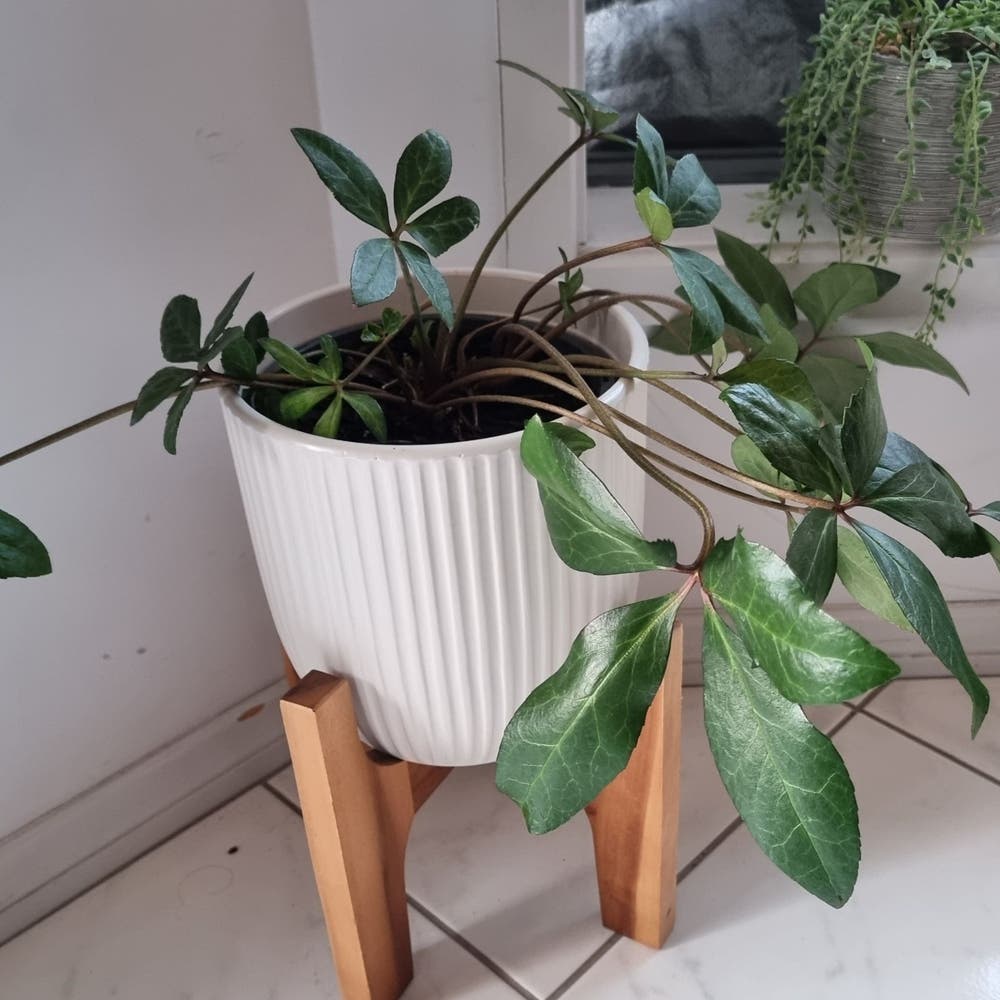
🌸 How to Fix Leaves Falling Over on Your Purple Hellebore
Helleborus orientalis
By the Greg Editorial Team
Oct 19, 2024•5 min read
This article was created with the help of AI so we can cover more plants for you. May contain errors. See one? Report it here.
Restore your drooping purple hellebore leaves 🌿 with essential care tips for vibrant, healthy growth!
- 🌧️ Leaf drooping in purple hellebores often results from overwatering or underwatering.
- 🐛 Pest infestations like aphids can damage leaves; early detection is essential.
- 🌱 Improve drainage and establish a consistent watering schedule for optimal hellebore health.
Causes of Leaf Drooping
Understanding why your purple hellebore's leaves are drooping is crucial for restoring their health. Several factors can contribute to this issue, including overwatering, underwatering, pest infestations, and fungal diseases.
💧 Overwatering
Excess moisture can suffocate the roots, leading to drooping leaves. If your hellebore is sitting in soggy soil, it’s time to reassess your watering habits.
🚰 Underwatering
On the flip side, insufficient moisture can cause the leaves to wilt and droop. If the soil feels dry and your plant looks thirsty, it’s a clear sign that it needs more water.
🐛 Pest Infestations
Common pests like aphids and slugs can wreak havoc on hellebore leaves. Keep an eye out for signs of infestation, such as distorted leaves or visible pests.
🍄 Fungal Diseases
Fungal issues, particularly root rot, can severely impact leaf health. If your plant is wilting despite regular watering, it may be suffering from root rot due to poor drainage or overwatering.
By identifying these causes, you can take the necessary steps to revive your drooping hellebore leaves. Next, let’s dive into how to diagnose the specific problem affecting your plant.
Diagnosing the Problem
💧 Overwatering and Its Effects
Overwatering is a common issue that can lead to wilting, yellowing leaves, and even root rot. Hellebores thrive in well-drained soil, so ensuring proper moisture levels is crucial.
To diagnose overwatering, use a moisture meter to check the soil. If the soil feels soggy, it’s a clear sign that your plant is getting too much water.
🌵 Underwatering and Its Effects
On the flip side, underwatering can cause dry, crispy leaves and drooping. Hellebores need consistent moisture, so understanding their hydration needs is essential for healthy growth.
Assess the soil's dryness by feeling it with your fingers. If it’s bone dry several inches down, your plant likely needs a drink.
🐛 Pest Infestations
Common Pests
Aphids are notorious for infesting Hellebores, leaving behind sticky residue and distorted leaves. Slugs can also wreak havoc, munching on the foliage and leaving unsightly holes.
Keep an eye out for these pests to prevent damage. Early detection is key to maintaining your plant's health.
Control Measures
For pest control, consider organic options like neem oil or insecticidal soap. These methods are effective and safer for the environment.
Regular inspections can help catch infestations before they escalate. Encourage beneficial insects to keep pests at bay naturally.
🍄 Fungal Diseases
Root Rot
Root rot is a serious concern that often manifests as wilting, even when the plant is adequately watered. This condition usually arises from overwatering and poor drainage.
Recognizing root rot early can save your plant. Check the roots for mushiness and the soil for excessive moisture.
Diagnosis and Treatment
To diagnose root rot, inspect the root health and soil conditions. If you find blackened, mushy roots, it’s time to act.
Treatment options include applying fungicides and improving drainage. Adjusting your watering practices can also help prevent future issues.
By understanding these common problems, you can take proactive steps to keep your purple hellebore thriving. Next, let’s explore effective solutions for leaf drooping.
Solutions for Leaf Drooping
🌊 Adjusting Watering Practices
Establishing a consistent watering schedule is crucial for your purple hellebore. Tailor the frequency based on seasonal needs to keep the plant thriving.
Using a moisture meter can help you ensure optimal soil moisture levels. This tool takes the guesswork out of watering, allowing you to maintain healthy leaf appearance and growth.
🕳️ Improving Soil Drainage
Soil amendments can significantly enhance drainage. Incorporating perlite or sand into your soil mix will help prevent waterlogging.
When choosing containers, opt for pots with drainage holes. This simple feature can make a world of difference in avoiding low-lying areas that are prone to water accumulation.
🐞 Implementing Pest Control Measures
Regular inspections of your plants are essential for catching pest infestations early. Look for any unusual signs that could indicate a problem.
For treatment, consider using organic pesticides and traps. These methods are effective and safer for your garden's ecosystem.
Encouraging beneficial insects can also serve as a preventative measure. These natural allies help keep harmful pests at bay.
🍄 Treating Fungal Infections
Identifying symptoms of fungal issues early is key to effective treatment. Look for signs like wilting or discoloration that could indicate a problem.
Applying fungicides and adjusting your watering practices can help combat these infections. Additionally, ensuring proper drainage and aeration in the soil will create a less hospitable environment for fungi.
With these solutions in hand, you can effectively support your purple hellebore and keep its leaves healthy and vibrant. Next, let’s explore how to provide physical support for drooping leaves.
Supporting Drooping Leaves
🌿 Using Stakes or Supports
When your purple hellebore's leaves start drooping, using stakes or supports can make a significant difference. Bamboo stakes and plant ties are excellent options to provide the necessary support.
Proper installation is crucial. Place the stakes carefully to avoid damaging the roots, ensuring they stabilize the plant without causing stress. This simple step can help maintain the leaf structure and overall health of your hellebore.
✂️ Pruning Techniques for Healthier Growth
Timing is everything when it comes to pruning your hellebore. The best times to prune are in early spring or after flowering, allowing the plant to recover and thrive.
When pruning, use sharp, clean tools to make precise cuts. This minimizes stress on the plant and encourages bushier growth, which can help reduce drooping leaves.
By implementing these supportive measures, you can enhance your hellebore's resilience and beauty. Next, let’s explore how to adjust watering practices for optimal growth.
⚠️ Safety First
This content is for general information and may contain errors, omissions, or outdated details. It is not medical, veterinary advice, or an endorsement of therapeutic claims.
Always consult a qualified healthcare professional before using any plant as food, medicine, or supplement.
Never eat any plant (or feed one to pets) without confirming its identity with at least two trusted sources.
If you suspect poisoning, call Poison Control (800) 222-1222, the Pet Poison Helpline (800) 213-6680, or your local emergency service immediately.
Spotted an error? Please report it here.
Keep your purple hellebore thriving 🌿 by using Greg's tailored watering reminders and pest alerts to ensure it gets the care it needs to flourish!