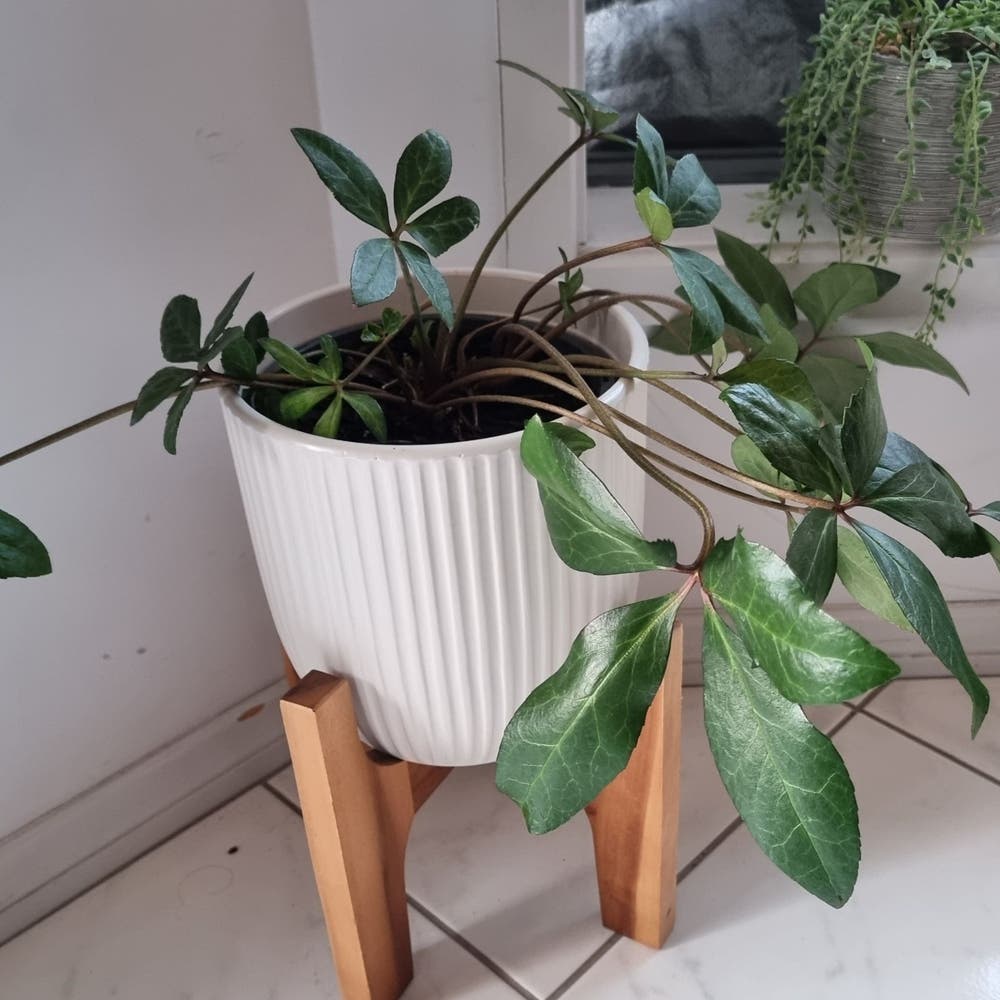
❄️ 9 Winter Threats to Your Purple Hellebore
Helleborus orientalis
By the Greg Editorial Team
Oct 19, 2024•5 min read
This article was created with the help of AI so we can cover more plants for you. May contain errors. See one? Report it here.
Ensure your purple hellebore thrives this winter 🌨️ for a stunning spring bloom with these essential care tips!
- ❄️ Water less in winter to prevent root rot; every 2-3 weeks is ideal.
- 🌱 Limit fertilization during winter to protect against frost damage; use low-nitrogen options.
- 🌿 Mulch helps insulate roots and retain moisture, crucial for winter survival.
Winter Care Requirements
Adjusting Watering Schedules During Winter 🌨️
During winter, your purple hellebore needs less water than in the growing season. Aim to water once every 2-3 weeks, adjusting based on the moisture levels in the soil.
Overwatering can lead to yellowing leaves and root rot, so keep an eye out for these signs. A careful balance is essential to keep your plants healthy through the colder months.
Fertilizing Considerations for Winter ❄️
As winter approaches, it's crucial to reduce fertilization. This helps prevent new growth that could be damaged by frost before spring arrives.
If you must fertilize, opt for low-nitrogen options. The last application should be in early fall, allowing your hellebore to enter dormancy without stress.
Importance of Mulching for Frost Protection 🧤
Mulching is a simple yet effective way to protect your hellebore from frost. It insulates the roots and helps retain moisture, ensuring your plant stays healthy.
Use organic materials like shredded bark or straw, applying a thickness of 2-4 inches around the base. This layer acts as a protective barrier against the harsh winter elements.
Transitioning to the next section, understanding how to protect your hellebore from frost and cold is vital for its survival. Let's explore effective techniques for frost protection.
Protection from Frost and Cold
🌨️ Techniques for Frost Protection
When winter hits, your purple hellebore needs extra care to survive the cold. Covering your plants with frost cloths or burlap can provide essential protection against harsh temperatures.
Creating barriers using stakes to hold the coverings above the foliage is also effective. This technique allows for air circulation while shielding your plants from frost.
❄️ Identifying Signs of Frost Damage
Keep an eye out for signs of frost damage, as early detection is key. Symptoms include wilting leaves, discoloration, and a mushy texture, which indicate your plant is struggling.
Long-term effects of frost damage can be serious, leading to stunted growth and reduced blooming in the spring. Addressing these issues promptly can help your hellebore bounce back.
🧣 Best Practices for Covering Plants
Choosing the right materials is crucial for effective frost protection. Lightweight, breathable fabrics are ideal, as they allow moisture to escape while keeping your plants warm.
When securing coverings, ensure they don’t touch the foliage directly to prevent heat buildup. Additionally, remember to remove the coverings during warmer days to let sunlight in and promote healthy growth.
By following these tips, you can help your purple hellebore thrive through the winter months. Next, let’s explore how to care for your plants indoors during extreme cold.
Indoor Winter Care
When to Bring Indoors 🌨️
As winter approaches, it's crucial to monitor your purple hellebore for signs that it needs indoor care. Persistent frost warnings and extreme cold are clear indicators that it's time to bring your plant inside, typically before the first hard frost hits.
Ideal Indoor Conditions 🏡
Once indoors, aim for a temperature range of 60°F to 70°F (15°C to 21°C) to keep your hellebore happy. Ensure it receives bright, indirect sunlight, and maintain moderate humidity levels; misting can help achieve this.
Transitioning Back to Outdoor Conditions in Spring 🌱
After the last frost date, it's time to reintroduce your hellebore to the great outdoors. Gradually expose it to outdoor conditions over 1-2 weeks to help it acclimatize.
Monitoring for Stress 👀
Keep a close eye on your plant during this transition. Watch for signs of shock or damage, such as wilting or discoloration, to ensure a smooth return to its outdoor home.
With proper indoor care, your purple hellebore will thrive through winter, setting the stage for a vibrant spring. Next, let’s explore how to prepare for spring growth and recover from any winter damage.
Spring Preparation and Recovery
Assessing Winter Damage in Spring 🌨️
As spring arrives, it's crucial to assess any winter damage to your purple hellebore. Look for signs like brown, mushy leaves and a noticeable lack of new growth.
Evaluating root health is equally important. Check for rot or disease by gently digging around the roots to ensure they're still firm and healthy.
Steps for Rejuvenating Damaged Plants 🌱
Pruning Damaged Foliage: Start by cutting back any damaged leaves to healthy tissue. This helps the plant focus its energy on new growth.
Fertilizing: Apply a balanced fertilizer to encourage recovery. This will provide the nutrients your hellebore needs to bounce back.
Watering: As temperatures rise, increase your watering frequency. This ensures the plant stays hydrated and supports its rejuvenation.
Preparing the Garden for Spring Growth 🌼
Cleaning up debris is the first step in preparing your garden. Remove dead leaves and any leftover mulch to create a tidy environment for new growth.
Next, check soil conditions. Ensure proper drainage and aeration to promote healthy root development.
Finally, plan for future care. Set reminders for watering and fertilizing schedules using the Greg plant care app. This proactive approach will keep your hellebore thriving throughout the growing season.
With these steps, your purple hellebore will be ready to flourish as spring unfolds. Transitioning to the next section, let's explore how to protect your plants from frost and cold.
⚠️ Safety First
This content is for general information and may contain errors, omissions, or outdated details. It is not medical, veterinary advice, or an endorsement of therapeutic claims.
Always consult a qualified healthcare professional before using any plant as food, medicine, or supplement.
Never eat any plant (or feed one to pets) without confirming its identity with at least two trusted sources.
If you suspect poisoning, call Poison Control (800) 222-1222, the Pet Poison Helpline (800) 213-6680, or your local emergency service immediately.
Spotted an error? Please report it here.
Keep your purple hellebore thriving this winter 🌿 by adjusting your care routine and letting Greg send you personalized reminders for watering and fertilization to ensure a stunning spring bloom!