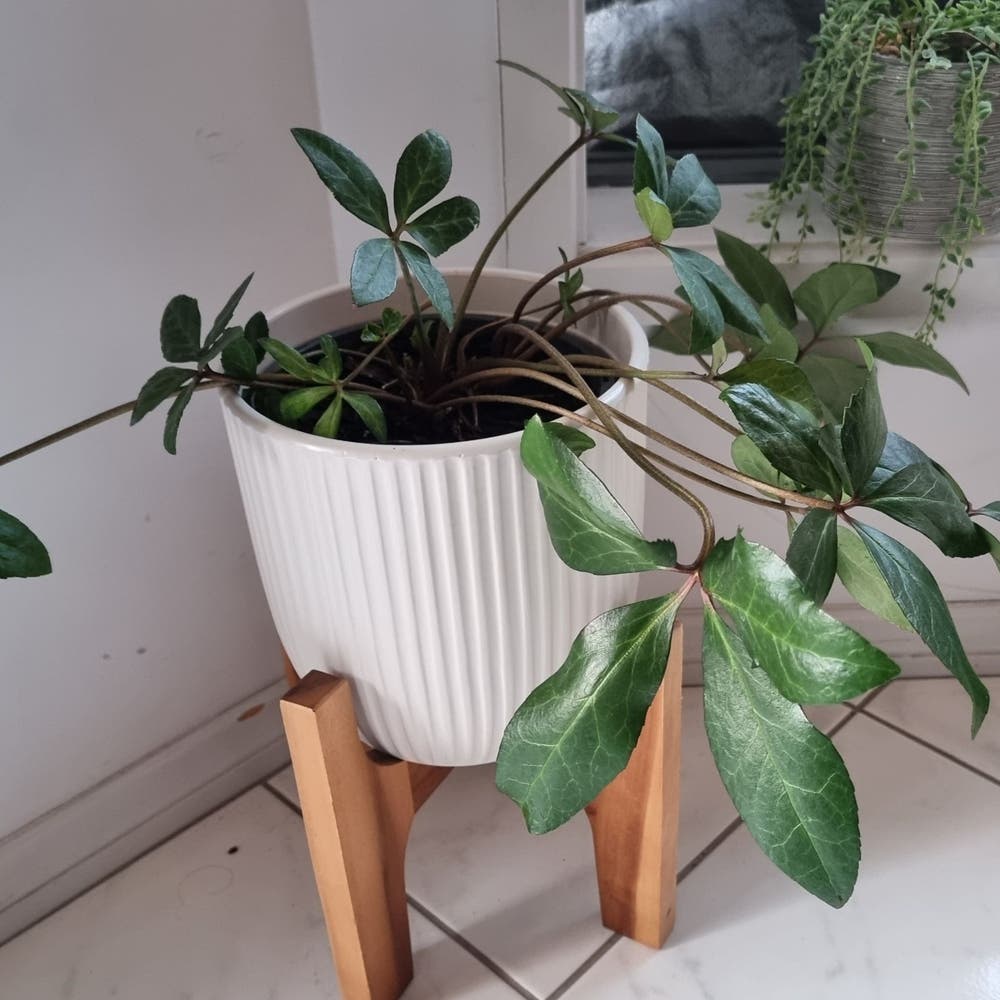
🦋 What to Do About Yellow Leaves on Your Purple Hellebore
Helleborus orientalis
By the Greg Editorial Team
Oct 19, 2024•6 min read
This article was created with the help of AI so we can cover more plants for you. May contain errors. See one? Report it here.
Revive your purple hellebore by mastering the causes of yellow leaves! 🌱✨
- 🌱 Yellow leaves indicate issues like nutrient deficiencies, overwatering, or pests.
- 💧 Adjust watering practices to prevent yellowing; let soil dry before rewatering.
- 🐛 Monitor for pests like aphids; use insecticidal soap for effective control.
Causes of Yellow Leaves
🌱 Nutrient Deficiencies
Nitrogen Deficiency
Pale yellow leaves, especially on older foliage, are a telltale sign of nitrogen deficiency. This nutrient is vital for leaf growth and overall plant vigor, making it essential for your purple hellebore's health.
Magnesium Deficiency
If you notice yellowing between leaf veins, known as interveinal chlorosis, magnesium deficiency might be the culprit. Magnesium plays a crucial role in chlorophyll production and photosynthesis, impacting the plant's ability to thrive.
💧 Overwatering and Poor Drainage
Yellowing leaves accompanied by wilting and root rot often indicate overwatering. Waterlogged soil suffocates roots and can lead to fungal infections, emphasizing the need for well-drained, rich soil for healthy growth.
🌵 Underwatering and Drought Stress
On the flip side, yellowing leaves with crispy edges and drooping can signal underwatering. Insufficient moisture stresses the plant and hampers nutrient uptake, so maintaining consistent moisture is key, especially during dry spells.
🍄 Fungal Infections
Root Rot
Yellowing leaves, mushy roots, and stunted growth are classic symptoms of root rot. This condition thrives in overwatered, poorly drained soil, making early detection crucial to prevent plant loss.
🐜 Pest Infestations
Aphids
If you see yellowing leaves, curled foliage, and sticky residue, aphids may be at work. These pests weaken plants by sucking sap and can even transmit diseases, posing a significant threat to your hellebore.
Spider Mites
Yellowing leaves with fine webbing indicate a spider mite infestation. These pests thrive in dry conditions and can cause substantial damage, so vigilance is essential to protect your plant.
Understanding these causes is the first step in addressing yellow leaves on your purple hellebore. Next, we'll explore how to diagnose these issues effectively.
Diagnosing Yellow Leaves
👀 Visual Symptoms to Look For
Identifying yellow leaves on your purple hellebore starts with observing color changes. Pay attention to whether older or newer leaves are yellowing, as this can indicate different issues.
Next, examine the leaf texture. Look for signs of wilting, curling, or any unusual spots that could signal stress or disease.
💧 Soil and Water Testing
Soil moisture is crucial for plant health. Use a moisture meter or simply stick your finger into the soil to check if it’s damp enough.
Additionally, conducting a soil test can reveal nutrient deficiencies. This step is essential for understanding what your plant might be lacking.
🌤️ Assessing Environmental Conditions
Light exposure plays a significant role in your plant's health. Ensure your hellebore receives adequate sunlight without being overwhelmed by excessive rays.
Temperature is another factor to monitor. Extreme fluctuations can stress your plant, leading to yellowing leaves and other issues.
By carefully diagnosing these symptoms and conditions, you can take the right steps to restore your purple hellebore's health. Next, let’s explore effective treatment solutions to address these yellowing leaves.
Treatment Solutions
🌊 Adjusting Watering Practices
Overwatering can be a sneaky culprit behind yellow leaves. To combat this, allow the top inch of soil to dry out before watering again.
On the flip side, underwatering can also stress your hellebore. Increase watering frequency during dry spells to ensure consistent moisture.
🌱 Fertilization Techniques
Organic vs. Synthetic
When it comes to fertilization, you have options. Organic choices like compost or well-rotted manure provide slow-release nutrients that benefit your plant over time.
If you prefer a quicker solution, synthetic fertilizers can do the trick. Apply a balanced NPK fertilizer according to package instructions for optimal results.
🏞️ Soil Amendments for Drainage
Good drainage is essential for healthy roots. Incorporate perlite or sand into your soil to enhance drainage capabilities.
Additionally, ensure your planting area has an adequate slope to prevent water pooling, which can lead to root rot.
🐞 Pesticide Options for Pest Control
If pests are plaguing your hellebore, consider using insecticidal soap. It’s effective against common offenders like aphids and spider mites.
Another option is neem oil, a natural pesticide that disrupts pest life cycles without harming your plant.
🍄 Fungal Treatment Methods
Fungicides
For severe fungal infections, broad-spectrum fungicides can be a lifesaver. Just be sure to follow application instructions carefully to avoid stressing your plant further.
Natural Remedies
If you're dealing with mild fungal issues, natural remedies like cinnamon or baking soda solutions can be quite effective. They offer a gentle approach to combatting unwanted fungi.
With these treatment solutions in hand, you can take proactive steps to restore your purple hellebore's health. Next, let’s explore some preventative measures to keep your plant thriving long-term.
Preventative Measures
Best Practices for Watering 🌊
Watering your purple hellebore effectively is crucial for its health. Aim to water deeply but infrequently, which encourages the roots to grow deeper and become more resilient.
Using mulch can also be a game-changer. It helps retain soil moisture and regulates temperature, creating a stable environment for your plant.
Soil Preparation and Maintenance 🏗️
Before planting, amend the soil with organic matter. This enriches the soil and provides essential nutrients for your hellebore.
Regularly check the drainage of your planting area. Adjustments may be necessary to ensure water flows freely and doesn’t pool around the roots.
Seasonal Care Tips 🌱
During the growing season, keep an eye out for pests and diseases. Early detection can save your plant from significant damage.
Pruning dead or yellowing leaves is another smart move. It promotes airflow and reduces the risk of disease, keeping your hellebore thriving.
Choosing Resistant Varieties 🦠
When selecting hellebore varieties, do your homework. Research options known for their resilience against common diseases and pests, ensuring a healthier garden.
By implementing these preventative measures, you can significantly reduce the chances of encountering yellow leaves on your purple hellebore. This proactive approach not only enhances the plant's health but also enriches your gardening experience.
Next, let’s explore how to monitor recovery after treatment to ensure your hellebore bounces back beautifully.
Post-Treatment Care
Monitoring Recovery 🌱
After treatment, keep a close eye on your purple hellebore. Look for signs of improvement, such as new growth and a return of vibrant color.
Adjust your care practices based on how the plant responds. If you notice positive changes, continue with your current regimen; if not, reassess your approach.
Signs of Improvement 🌿
One of the first signs that your plant is recovering is the emergence of new leaves. This indicates that your treatment was successful and the plant is on the mend.
Additionally, watch for color restoration. Leaves regaining their lush green hue is a clear signal that your hellebore is thriving again.
Long-term Care Strategies 🛠️
To ensure ongoing health, maintain consistent watering and fertilization schedules. Regular care helps prevent future issues and keeps your plant robust.
Don’t forget to inspect for pests and diseases regularly. This proactive approach will help you catch any problems early, ensuring your hellebore remains healthy and vibrant.
As you nurture your plant back to health, you’ll not only enjoy its beauty but also gain valuable gardening experience. This journey of care and observation can deepen your connection to your garden, making each bloom even more rewarding.
⚠️ Safety First
This content is for general information and may contain errors, omissions, or outdated details. It is not medical, veterinary advice, or an endorsement of therapeutic claims.
Always consult a qualified healthcare professional before using any plant as food, medicine, or supplement.
Never eat any plant (or feed one to pets) without confirming its identity with at least two trusted sources.
If you suspect poisoning, call Poison Control (800) 222-1222, the Pet Poison Helpline (800) 213-6680, or your local emergency service immediately.
Spotted an error? Please report it here.
Keep your purple hellebore vibrant and healthy 🌿 by using Greg to track watering and nutrient needs, ensuring those yellow leaves stay away!