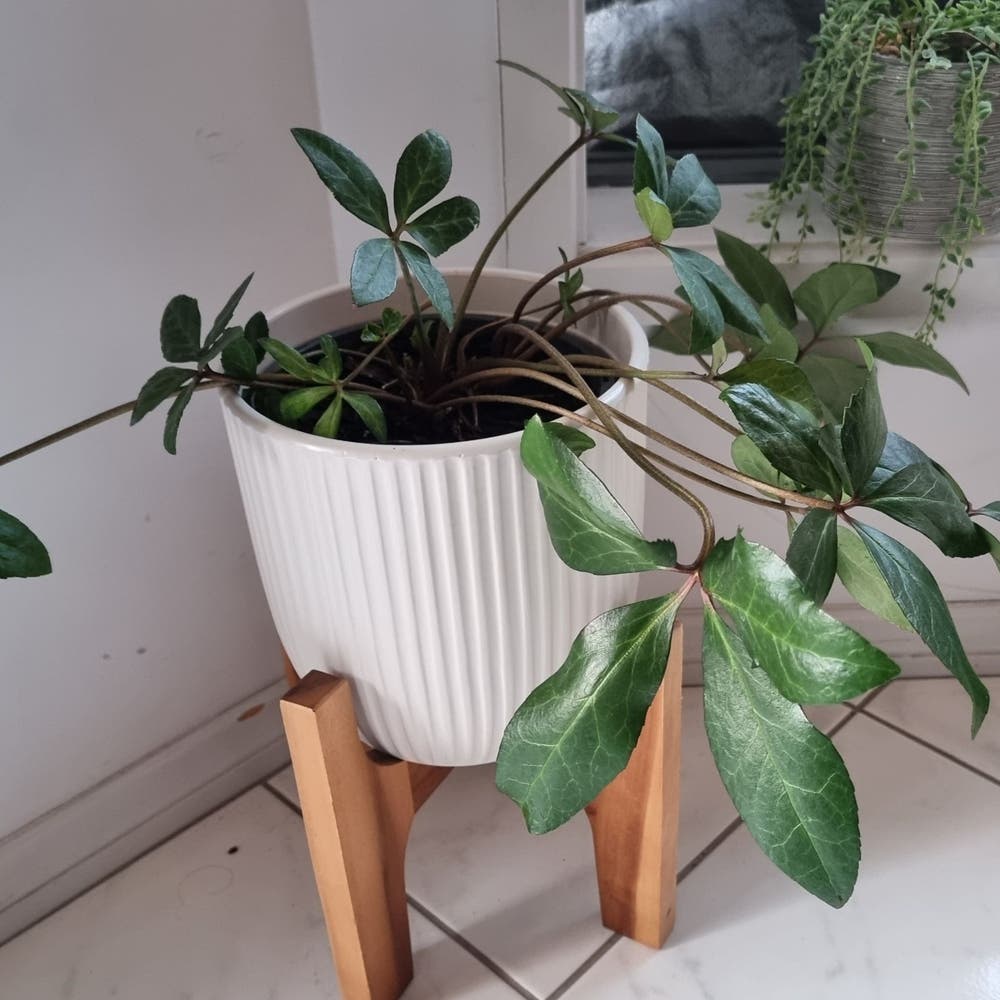
🌸 Optimal Hardiness Zones for Purple Hellebore: 4a-9b
Helleborus orientalis
By the Greg Editorial Team
Oct 19, 2024•4 min read
This article was created with the help of AI so we can cover more plants for you. May contain errors. See one? Report it here.
Master the art of growing Purple Hellebore 🌸 by understanding its temperature tolerance and ideal conditions for success!
- 🌱 Purple Hellebore thrives in USDA zones 4a-9b, suitable for diverse climates.
- ❄️🌡️ Tolerates temperatures from -30°F to 85°F, but avoid prolonged cold or excessive heat.
- 🌼 Blooms early in spring, adding vibrant color before the last frost.
Temperature Tolerance of Purple Hellebore
❄️ Cold Tolerance Specifics
Purple Hellebore thrives in cold climates, with an ideal temperature range that can dip down to -30°F (-34°C) in zone 4a. This hardy plant is frost-tolerant, often blooming before the last frost, adding early color to your garden.
☀️ Heat Tolerance Specifics
On the warmer side, Purple Hellebore can handle temperatures up to 85°F (29°C). However, in hotter climates, providing shade is crucial to prevent heat stress and ensure healthy growth.
🌡️ Impact of Temperature Extremes on Growth
Prolonged cold snaps can negatively affect the health of Purple Hellebore, leading to stunted growth or even plant loss. Conversely, excessive heat can disrupt blooming and damage foliage, making it essential to monitor temperature extremes closely.
Understanding these temperature tolerances will help you create the perfect environment for your Purple Hellebore, ensuring it flourishes in your garden. Next, we’ll explore the ideal regions for growing this beautiful plant.
Ideal Regions for Growing Purple Hellebore
🌍 Examples of US States in Suitable Zones (4a-9b)
Purple Hellebore thrives in several states across the U.S. Ideal locations include New York, Pennsylvania, Ohio, Oregon, and coastal areas of California.
Conversely, states like Florida, Texas, and Arizona are unsuitable due to their excessive heat, which can hinder the plant's growth and blooming.
🌱 Factors Contributing to Ideal Growing Conditions
For optimal growth, Purple Hellebore prefers shaded or partially shaded areas. These conditions help protect the plant from harsh sunlight, especially in warmer zones.
Additionally, the soil plays a crucial role. Well-drained, rich, and moist soils are essential for the health and vitality of Purple Hellebore.
🏞️ Comparison of Different Regions
Growing conditions can vary significantly across regions within the suitable zones. Factors such as local climate, elevation, and even microclimates can influence how well Purple Hellebore flourishes.
For instance, a higher elevation might provide cooler temperatures, while coastal areas may benefit from moderated climates. Understanding these nuances can help gardeners choose the best location for their Purple Hellebore.
As you explore the ideal regions for this beautiful plant, consider how local conditions can impact your gardening success. Next, we’ll delve into the fascinating world of microclimates and their effects on growing zones.
Microclimates and Their Effects
🌱 How Microclimates Can Extend Growing Zones
Microclimates can significantly enhance the growing potential of plants like purple hellebore, allowing them to thrive outside their typical hardiness zones. These localized climate variations can create conditions that are more favorable for growth, even in areas that might otherwise be unsuitable.
Several factors influence the creation of microclimates. Proximity to water bodies can moderate temperatures, while buildings can provide shelter from harsh winds. Additionally, surrounding vegetation can offer shade, creating a cooler environment that benefits plant health.
🌍 Examples of Microclimates that Benefit Purple Hellebore
Urban settings often create unique microclimates due to heat retention from buildings and pavement. This warmth can extend the growing season, making it easier for purple hellebore to flourish.
Natural windbreaks, such as trees or hills, can also create ideal conditions. These features shield plants from cold winds and provide shaded spots that help maintain moisture levels, crucial for the health of purple hellebore.
Understanding microclimates is essential for gardeners looking to optimize their growing conditions. By recognizing and utilizing these localized variations, you can successfully cultivate purple hellebore even in less-than-ideal climates.
As we explore the state-level suitability analysis next, we’ll dive deeper into which regions are best suited for this beautiful plant.
State-Level Suitability Analysis
🌱 List of US States Suitable for Purple Hellebore
Purple hellebore thrives in hardiness zones 4a to 9b. Here’s a list of states where you can cultivate this beautiful plant:
- New York
- Pennsylvania
- Ohio
- Oregon
- California (coastal areas)
These states provide the ideal temperature ranges and conditions for healthy growth.
🚫 List of US States Unsuitable for Purple Hellebore
Conversely, some states are not suitable for growing purple hellebore due to their climate. Here’s a rundown of those states:
- Florida
- Texas
- Arizona
These regions experience excessive heat, making it challenging for purple hellebore to thrive.
🌡️ Reasons for Suitability or Unsuitability Based on Climate Factors
Understanding why certain states are suitable or unsuitable involves analyzing several climate factors.
- Temperature Extremes: States within the suitable range experience milder winters and moderate summers.
- Frost Dates: Areas with shorter frost periods allow for longer growing seasons.
- Soil Conditions: Well-drained, rich, and moist soils are essential for optimal growth.
Local climate variations and gardening practices also play a significant role. For instance, shaded areas can mitigate heat stress, making even slightly warmer regions more hospitable for purple hellebore.
In summary, knowing the right states and conditions can significantly enhance your gardening success with purple hellebore. Next, we’ll explore how microclimates can further extend growing zones for this resilient plant.
⚠️ Safety First
This content is for general information and may contain errors, omissions, or outdated details. It is not medical, veterinary advice, or an endorsement of therapeutic claims.
Always consult a qualified healthcare professional before using any plant as food, medicine, or supplement.
Never eat any plant (or feed one to pets) without confirming its identity with at least two trusted sources.
If you suspect poisoning, call Poison Control (800) 222-1222, the Pet Poison Helpline (800) 213-6680, or your local emergency service immediately.
Spotted an error? Please report it here.
Transform your garden with vibrant Purple Hellebore blooms 🌼 by using Greg's tailored care reminders to navigate your local climate and ensure optimal growing conditions!