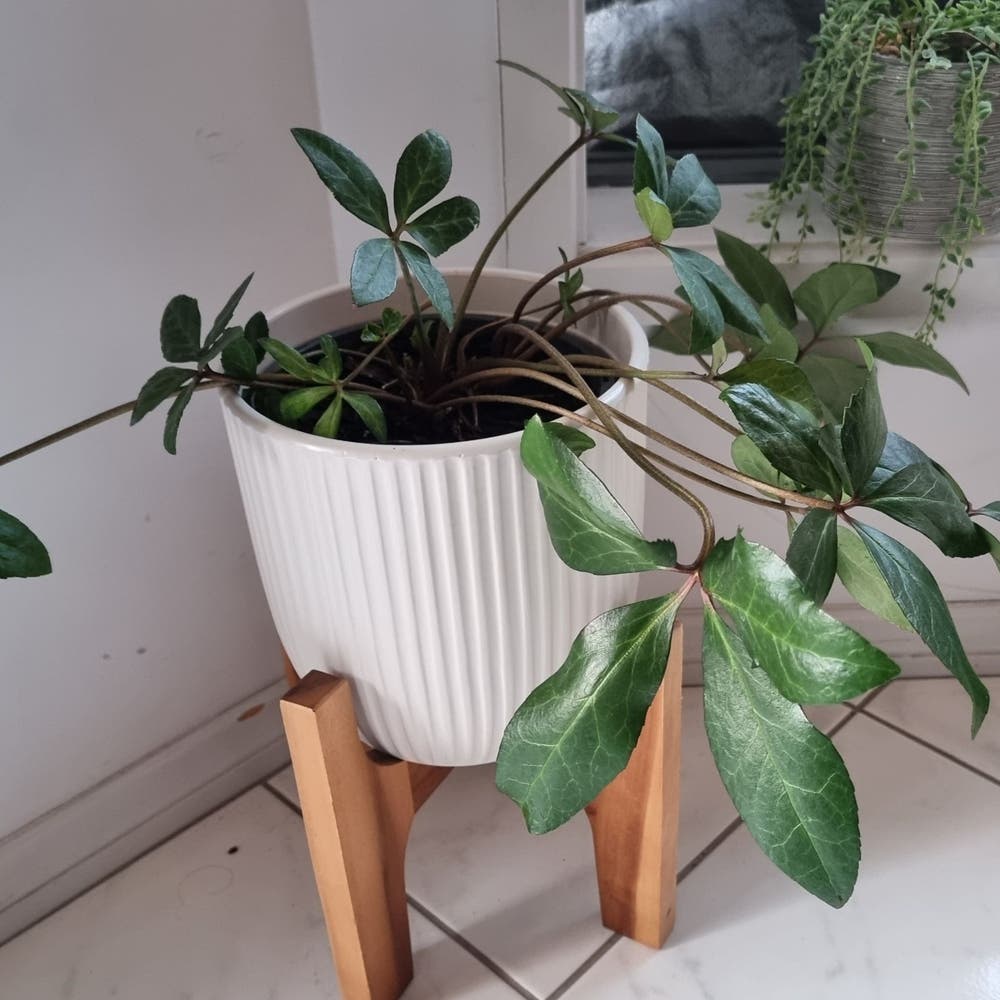
🌸 5 Tips for Healthy Purple Hellebore Roots
Helleborus orientalis
By the Greg Editorial Team
Oct 19, 2024•6 min read
This article was created with the help of AI so we can cover more plants for you. May contain errors. See one? Report it here.
Master purple hellebore root care 🌱 for vibrant blooms and robust growth in your garden!
- 🌱 Healthy purple hellebore roots grow 12-18 inches deep for moisture and nutrients.
- 💧 Prevent root rot by ensuring well-drained soil and watering only when dry.
- 🌿 Fertilize with 10-10-10 NPK in spring and summer for optimal root health.
Root Depth and Spread
Typical Root Depth 🌱
Purple hellebore roots typically reach an average depth of 12 to 18 inches. This depth is crucial for accessing moisture and nutrients, ensuring the plant thrives in various conditions.
Root Spread Patterns 🌍
These roots can spread horizontally up to 24 inches. Understanding this spread is vital for proper spacing in garden beds, as it helps prevent competition among plants.
Growth Patterns 📈
Roots of purple hellebores exhibit seasonal growth, particularly in spring and fall. Environmental conditions, such as temperature and moisture, significantly influence how well these roots develop during these key growth periods.
Watering and Fertilizing Techniques
🌱 How the Root System Affects Watering Needs
Understanding the root system of purple hellebores is crucial for effective watering. With roots typically reaching depths of 12-18 inches, these plants require consistent moisture but not waterlogged conditions.
Watering frequency should align with the root depth and spread, which can extend up to 24 inches horizontally. This means you might need to water more often during dry spells, ensuring the soil remains moist but well-drained to prevent root rot.
🌿 Fertilizing Techniques Tailored to Root Health
Fertilizing your hellebores is essential for promoting robust root health. Recommended fertilizers include balanced options like a 10-10-10 NPK mix, applied at a rate of about 1 pound per 100 square feet.
Timing is everything. Fertilize in early spring as new growth emerges and again in mid-summer to support ongoing development. Incorporating organic matter, such as compost, into the soil enhances nutrient availability and improves overall soil structure, benefiting the roots.
By focusing on these watering and fertilizing techniques, you can ensure your purple hellebores thrive, setting the stage for vibrant blooms and healthy foliage. Next, let’s explore common root-related issues that can affect these beautiful plants.
Common Root-Related Issues
Identifying Common Root Problems 🌱
Root rot is a significant concern for purple hellebore plants. Symptoms include yellowing leaves, wilting, and a foul odor emanating from the soil. This condition often arises from overwatering or poorly drained soil, leading to fungal infections that attack the roots.
Pests can also wreak havoc on root systems. Common culprits include root aphids and nematodes, which can stunt growth and cause overall plant decline. Recognizing these pests early can save your plants from severe damage.
Prevention and Solutions for Root Issues 🛠️
To prevent root rot, adopt best practices for watering. Ensure the soil is well-drained and only water when the top inch feels dry. This approach helps maintain optimal moisture levels without waterlogging the roots.
Soil management is equally crucial. Incorporating organic matter, like compost, improves drainage and aeration. This creates a healthier environment for your hellebore roots.
For pest control, consider organic methods. Introducing beneficial nematodes can help combat root pests without harming your plants. Regularly inspecting your plants and maintaining healthy soil conditions will also deter infestations.
By staying vigilant and proactive, you can keep your purple hellebore roots thriving and healthy. Next, let’s explore how to assess root health through visual cues and other indicators.
Indicators of Root Health
🌱 Visual Cues for Healthy vs. Unhealthy Roots
Healthy roots are typically vibrant and firm, showcasing a creamy white or light tan color. They should feel smooth to the touch and exhibit a robust growth pattern, indicating they are thriving.
In contrast, unhealthy roots often display signs of decay, such as a dark, mushy texture or discoloration. Stunted growth is another red flag, suggesting that the plant is struggling to absorb nutrients effectively.
🔍 Other Indicators of Root Health
The overall vigor of your Hellebore plant is a direct reflection of its root health. Lush foliage and abundant flowering signal that the roots are doing their job well.
Soil moisture levels also play a crucial role in root health. Regular monitoring ensures that roots remain hydrated without becoming waterlogged, which can lead to serious issues down the line.
Understanding these indicators will empower you to maintain healthy roots and, by extension, a thriving plant. Now, let’s explore how to address rootbound conditions to further enhance your Hellebore’s growth.
Rootbound Plants
Definition and Recognition of Rootbound Conditions 🌱
A plant is considered rootbound when its roots have filled the pot and begin to circle around the edges. This condition can lead to stunted growth and poor drainage, making it crucial to recognize early signs.
Common indicators of rootbound plants include:
- Root Circling: Roots wrap around the pot, restricting growth.
- Stunted Growth: The plant fails to thrive, showing little new growth.
- Poor Drainage: Water pools on the surface instead of soaking in.
When and How to Address Rootbound Issues ⏰
Timing is key when it comes to repotting or dividing rootbound plants. Early spring or fall is ideal, as plants are more resilient during these periods.
Step-by-Step Instructions for Addressing Rootbound Conditions 🛠️
- Assessing Rootbound Status: Check for circling roots and overall plant health.
- Preparing a New Pot: Choose a pot that’s one size larger and fill it with well-draining soil.
- Gently Loosening Roots: Carefully untangle the roots before replanting to encourage new growth.
By addressing rootbound conditions promptly, you can rejuvenate your Hellebore and promote healthier growth. This proactive approach not only enhances the plant's vitality but also enriches your gardening experience.
Next, we’ll explore the importance of propagation and division, ensuring your plants continue to thrive and multiply.
Importance of Propagation and Division
🌱 Importance of Root Health in Propagation
Healthy roots are the backbone of successful propagation. They ensure that new plants can absorb nutrients and water effectively, leading to robust growth.
Timing is crucial when propagating Hellebore. The best practices suggest dividing these plants in early spring or fall, aligning with their natural growth cycles.
✂️ Techniques for Dividing and Propagating
To divide established Hellebore plants, follow these steps:
- Selecting the Right Time: Aim for early spring or fall when the plant is not under stress.
- Tools Needed: Use a clean, sharp spade or knife to minimize damage.
- Method for Dividing: Carefully dig around the plant, ensuring each division has healthy roots attached.
After dividing, transplanting divisions is essential for maintaining root health. Choose a well-drained soil mix and water thoroughly to help the new plants establish quickly.
By following these techniques, you can ensure that your Hellebore thrives and continues to beautify your garden. Next, let’s explore how to identify and address root-related issues to keep your plants healthy.
⚠️ Safety First
This content is for general information and may contain errors, omissions, or outdated details. It is not medical, veterinary advice, or an endorsement of therapeutic claims.
Always consult a qualified healthcare professional before using any plant as food, medicine, or supplement.
Never eat any plant (or feed one to pets) without confirming its identity with at least two trusted sources.
If you suspect poisoning, call Poison Control (800) 222-1222, the Pet Poison Helpline (800) 213-6680, or your local emergency service immediately.
Spotted an error? Please report it here.
Nurture your purple hellebore roots for a thriving garden 🌼 by using Greg's tailored watering reminders and expert care tips to keep them flourishing!