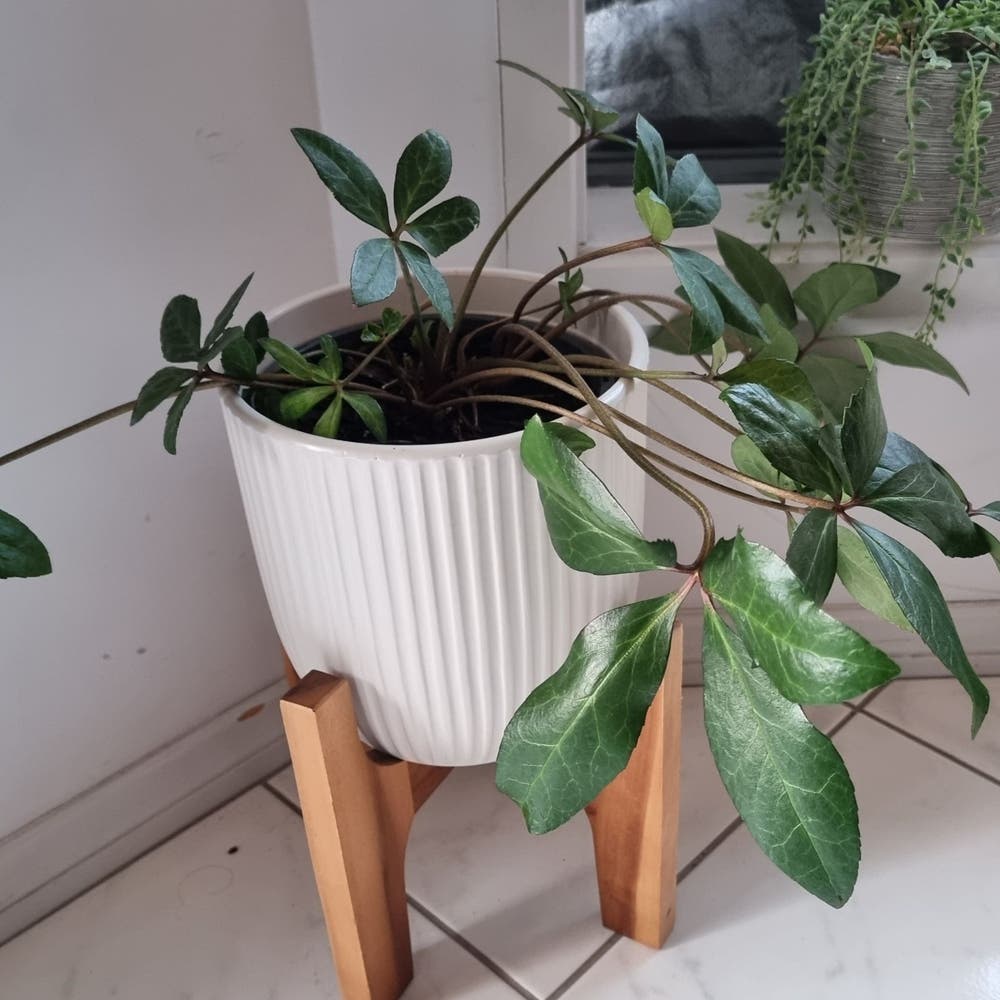
💧 Ultimate Guide to Watering Your Purple Hellebore
Helleborus orientalis
By the Greg Editorial Team
Oct 19, 2024•4 min read
This article was created with the help of AI so we can cover more plants for you. May contain errors. See one? Report it here.
Unlock vibrant growth for your purple hellebore 🌿 with essential watering tips to thrive year-round!
- 💧 Water every 1-2 weeks, adjusting for seasonal changes and environmental conditions.
- 🌱 Signs of over-watering include yellow leaves; under-watering shows drooping and crispy edges.
- 📱 Use apps or moisture meters to track watering and maintain optimal hydration.
Ideal Watering Frequency
💧 General Watering Guidelines
Water your purple hellebore every 1-2 weeks during the growing season. Keep an eye on environmental conditions; hot, dry weather may require more frequent watering, while cooler, damp conditions can reduce the need.
🌦️ Seasonal Variations
In spring, increase watering as the plant wakes from dormancy. During summer, maintain consistent moisture and monitor closely during heatwaves to prevent stress.
As temperatures drop in fall, gradually reduce watering. In winter, limit watering to ensure the soil doesn’t freeze solid, allowing your hellebore to rest.
Understanding these watering frequencies will help your purple hellebore thrive throughout the year. Next, let’s explore how to recognize watering issues to keep your plant healthy.
Recognizing Watering Issues
🚰 Signs of Over-Watering
Over-watering can be a sneaky problem for your purple hellebore. Look out for yellowing leaves, which often signal excess moisture.
If you notice wilting despite wet soil, your plant's roots may be suffocating. Additionally, inspect the roots; dark, mushy roots are a clear sign of root rot.
💧 Signs of Under-Watering
On the flip side, under-watering can also harm your plant. Drooping leaves are a clear sign of dehydration.
Crispy leaf edges indicate a prolonged lack of moisture. You might also see the soil pulling away from the pot edges, suggesting dry conditions.
🔧 Correcting Watering Issues
Over-Watering
If you suspect over-watering, take immediate action. First, stop watering right away.
Next, allow the soil to dry out completely. If root rot is present, consider repotting in fresh, well-draining soil.
Under-Watering
For under-watering, start by watering thoroughly until moisture drains from the bottom.
Gradually increase your watering frequency to ensure your plant gets enough hydration. Keep a close eye on soil moisture levels to prevent this issue from recurring.
With these tips, you can keep your purple hellebore thriving and avoid common watering pitfalls. Now, let’s explore effective watering techniques to ensure your plant gets just the right amount of moisture.
Measuring Soil Moisture
🔧 Tools for Measuring Moisture Levels
To ensure your purple hellebore thrives, accurate moisture measurement is key. A soil moisture meter provides precise readings, helping you avoid guesswork.
Alternatively, the finger test is a simple, effective method. Just insert your finger 1-2 inches into the soil to check for dampness.
📋 Step-by-Step Guide to Checking Soil Moisture
- Start by using a moisture meter or performing the finger test.
- Assess the moisture level:
- If it feels moist, there's no need to water.
- If it's dry, it's time to give your plant a drink.
- Repeat this process every few days during the growing season to keep tabs on moisture levels.
🚨 Indicators That Suggest Watering is Needed
Watch for signs that your hellebore needs water. If the soil feels dry to the touch, it's a clear indicator.
Other signs include drooping or curling leaves, which signal dehydration. Additionally, if the soil appears cracked or is pulling away from the pot, it's time to water.
By regularly checking moisture levels and observing your plant, you can maintain the perfect balance for your purple hellebore. This proactive approach will set you up for success as you move on to watering reminders and scheduling.
Watering Reminders and Scheduling
📱 Using the Greg Plant Care App
The Greg Plant Care App is a handy tool for keeping your watering routine on track. Set reminders based on your established schedule and receive notifications to check soil moisture.
📅 Setting Up a Watering Schedule
Creating a watering schedule tailored to seasonal needs is essential. Aim for weekly watering in spring and summer, bi-weekly in fall, and monthly in winter.
🔄 Adjusting the Schedule
Flexibility is key when it comes to plant care. Monitor weather conditions closely; increase watering frequency during hot, dry spells, and adjust based on your plant's response to ensure it thrives.
By staying organized and attentive, you can keep your purple hellebore healthy and vibrant throughout the year. Next, let’s explore effective watering techniques to enhance your plant care routine.
⚠️ Safety First
This content is for general information and may contain errors, omissions, or outdated details. It is not medical, veterinary advice, or an endorsement of therapeutic claims.
Always consult a qualified healthcare professional before using any plant as food, medicine, or supplement.
Never eat any plant (or feed one to pets) without confirming its identity with at least two trusted sources.
If you suspect poisoning, call Poison Control (800) 222-1222, the Pet Poison Helpline (800) 213-6680, or your local emergency service immediately.
Spotted an error? Please report it here.
Keep your purple hellebore thriving year-round 🌱 by using Greg's tailored watering reminders and moisture tracking to ensure it gets just the right amount of hydration!