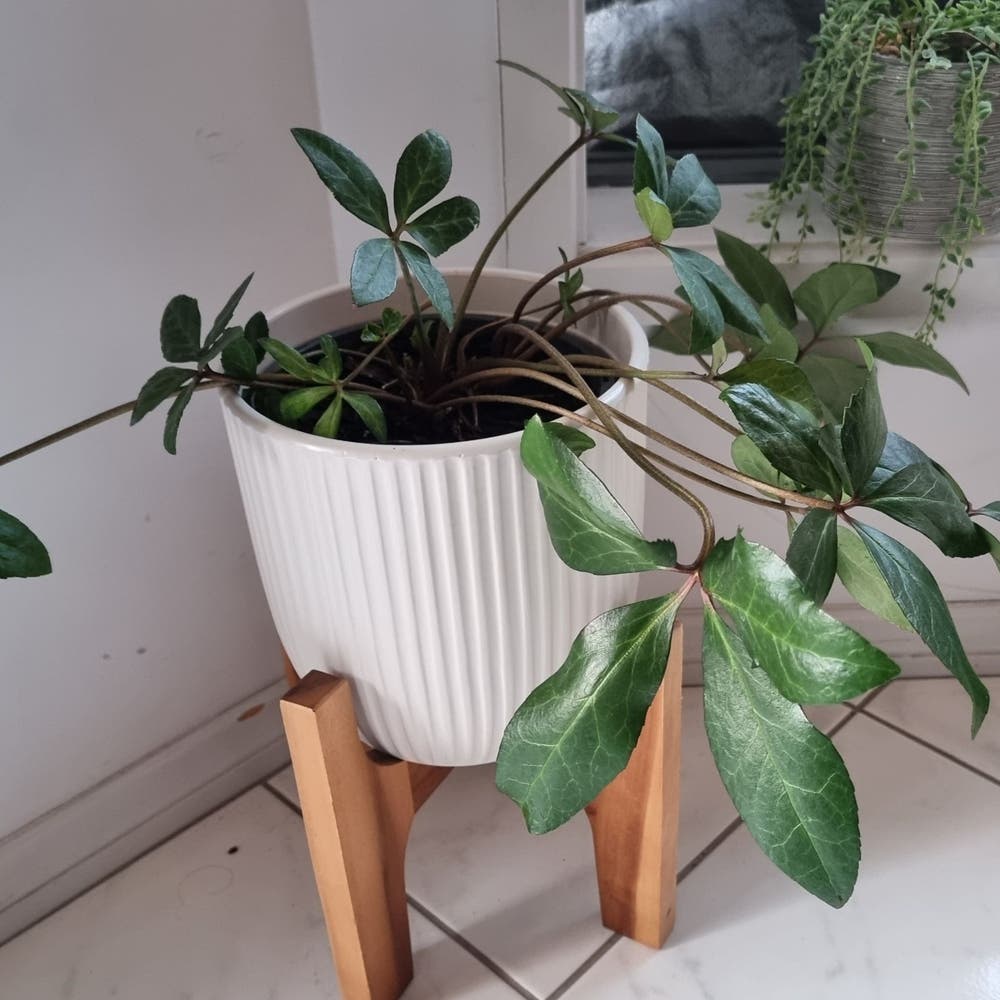
🌸 Why Purple Hellebore Is A Perennial Plant
Helleborus orientalis
By the Greg Editorial Team
Oct 19, 2024•5 min read
This article was created with the help of AI so we can cover more plants for you. May contain errors. See one? Report it here.
Unlock the secret to a vibrant garden 🌸 with Purple Hellebore, a low-maintenance perennial that blooms for years!
- 🌼 Purple Hellebore blooms early, bringing vibrant flowers before most plants awaken.
- 🌱 This perennial thrives in various soils and shaded areas, ensuring versatility in gardens.
- 🛡️ Low maintenance and drought-resistant, it offers long-lasting beauty with minimal effort.
Characteristics of Purple Hellebore as a Perennial
Multi-Year Lifecycle 🌱
Purple Hellebore is a remarkable perennial plant with a multi-year lifecycle. Unlike annuals that complete their life cycle in one season or biennials that take two, Purple Hellebore thrives for several years, typically living between 5 to 10 years, and some varieties can last even longer.
This longevity makes it a favorite among gardeners looking for low-maintenance options. Its ability to return year after year provides a reliable splash of color in the garden.
Growth Patterns and Regrowth from Roots 🌿
One of the standout features of Purple Hellebore is its robust regrowth from established root systems each year. This perennial plant boasts evergreen foliage, meaning it retains its leaves throughout winter, adding a touch of green even in the cold months.
In addition to its evergreen nature, Purple Hellebore is known for its early flowering. It often blooms in late winter to early spring, sometimes even before other plants have awakened from their winter slumber. This early display of flowers is not just beautiful; it signals the arrival of spring.
Purple Hellebore also adapts well to various soil types, thriving in well-drained, rich soil. This adaptability makes it a versatile choice for many garden settings, ensuring it can flourish in different environments.
As you consider adding Purple Hellebore to your garden, keep in mind its unique characteristics that make it a perennial favorite. Next, we’ll explore how seasonal changes affect its growth and flowering, further enhancing its appeal.
Seasonal Changes and Dormancy
🌱 Dormancy Periods
Purple Hellebore experiences dormancy primarily during the hottest summer months. During this time, you might notice yellowing leaves and a significant reduction in growth.
🌦️ Seasonal Changes Affecting Growth and Flowering
Seasonal changes play a crucial role in the flowering cycle of Purple Hellebore.
🌸 Early Blooms
These plants typically bloom in late winter, often surprising gardeners with their vibrant flowers when most other plants are still dormant. The right conditions, such as mild temperatures and adequate moisture, can trigger this early display.
🌿 Growth Resumption
As spring approaches, growth resumes, bringing fresh foliage and continued flowering. This rejuvenation is vital for maintaining the plant's health and vibrancy.
🌍 Impact of Climate Zones
Climate zones significantly influence how Purple Hellebore behaves seasonally. In temperate regions, the plant thrives, showcasing its resilience and beauty. However, extreme temperatures and moisture levels can affect its growth and flowering patterns, making it essential to understand your local climate for optimal care.
With a grasp of how seasonal changes affect Purple Hellebore, you can better plan for its care and enjoy its stunning blooms. Next, let’s explore the advantages this perennial plant offers to gardeners.
Advantages for Gardeners
🌱 Benefits of Reduced Replanting
One of the standout features of Purple Hellebore is its perennial nature, which significantly reduces the need for replanting. This means once you establish these beautiful plants in your garden, they can thrive for years, saving you both time and effort.
Not only does this minimize labor, but it also translates to cost savings. Fewer trips to the garden center mean more money in your pocket, allowing you to invest in other gardening projects or plants.
🌳 Importance of Established Root Systems
Established root systems are a game-changer for Purple Hellebore. These robust roots provide improved drought resistance, ensuring your plants can withstand dry spells without wilting.
Additionally, well-developed roots enhance nutrient uptake. This means your plants are better nourished, leading to vibrant blooms and healthy foliage.
Lastly, established roots contribute to greater resilience against pests and diseases. With a strong foundation, your Purple Hellebore can fend off threats more effectively, allowing you to enjoy a thriving garden with less worry.
As you consider the benefits of Purple Hellebore, think about how these advantages can simplify your gardening experience. Next, let’s explore the lifespan and longevity factors that contribute to the enduring appeal of this perennial plant.
Lifespan and Longevity Factors
Expected Lifespan 🌱
Purple Hellebore typically enjoys a lifespan of 5 to 10 years. Under optimal conditions, some varieties can thrive even longer, making them a reliable choice for gardeners.
Several factors influence this longevity.
- Soil Quality and Drainage: Well-drained, rich soil is crucial for healthy growth.
- Light Exposure: These plants prefer shaded or partially shaded areas, which can enhance their lifespan.
- Climate Zone Adaptability: The ability to thrive in various climates also plays a significant role in their longevity.
Variations Across Climate Zones 🌍
The growth and lifespan of Purple Hellebore can vary significantly across different climate zones.
In temperate regions, conditions are often optimal for longevity, allowing these plants to flourish.
However, extreme temperatures and moisture levels can negatively impact their health.
Understanding these variations helps gardeners make informed decisions about planting and care, ensuring their Purple Hellebore thrives for years to come.
With this knowledge, you can better appreciate the resilience of this beautiful perennial and its adaptability to your garden's unique environment.
Next, let’s explore how to maximize the benefits of growing Purple Hellebore in your garden.
Maximizing Perennial Benefits
🌱 Tips for Garden Planning
When planning your garden, consider placing Purple Hellebore in shaded or partially shaded areas. This strategic placement helps the plant thrive, as it prefers cooler conditions.
Companion planting can also enhance growth and flowering. Pairing Hellebore with other shade-loving plants can create a vibrant, diverse garden ecosystem.
⏳ Long-Term Cultivation Strategies
To ensure the longevity of your Purple Hellebore, focus on soil enrichment and proper drainage management. Healthy soil is key to supporting robust growth over the years.
Regular monitoring for pests and diseases is essential. Catching issues early can save your plants and maintain their beauty.
Seasonal care plays a crucial role in maximizing flowering and growth potential. Adjust your maintenance practices according to the changing seasons to keep your Hellebore flourishing.
By implementing these strategies, you can enjoy the enduring beauty of Purple Hellebore in your garden for years to come. Next, let’s explore the expected lifespan and factors that influence it.
⚠️ Safety First
This content is for general information and may contain errors, omissions, or outdated details. It is not medical, veterinary advice, or an endorsement of therapeutic claims.
Always consult a qualified healthcare professional before using any plant as food, medicine, or supplement.
Never eat any plant (or feed one to pets) without confirming its identity with at least two trusted sources.
If you suspect poisoning, call Poison Control (800) 222-1222, the Pet Poison Helpline (800) 213-6680, or your local emergency service immediately.
Spotted an error? Please report it here.
Cultivate the stunning Purple Hellebore 🌸 with Greg's tailored care reminders, ensuring your garden bursts with vibrant blooms year after year!