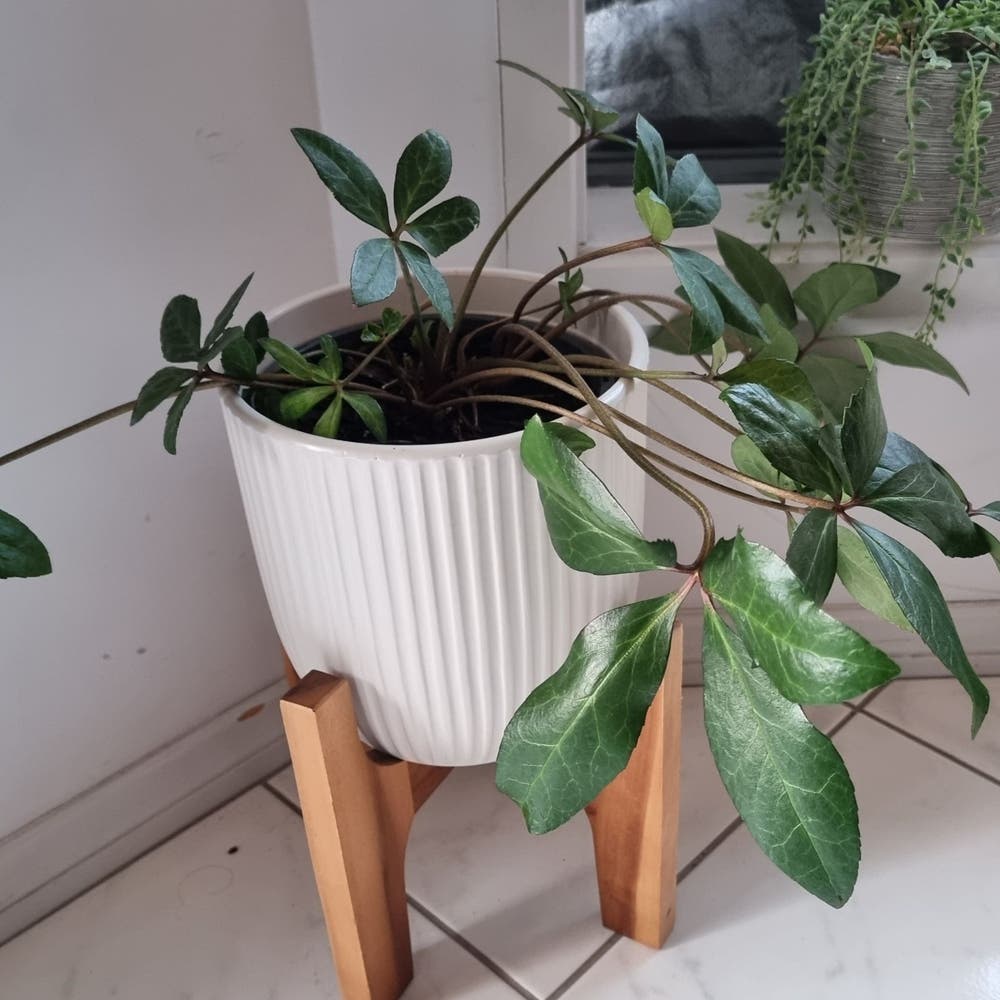
🌸 3 Outdoor Care Hacks for Purple Hellebore
Helleborus orientalis
By the Greg Editorial Team
Oct 19, 2024•6 min read
This article was created with the help of AI so we can cover more plants for you. May contain errors. See one? Report it here.
Transform your garden with vibrant purple hellebores 🌸 by mastering their sunlight, watering, and soil needs!
- 🌞 Purple hellebore thrives in partial shade, needing 4-6 hours of indirect sunlight.
- 💧 Consistent moisture is key; water weekly to prevent wilting or yellowing leaves.
- 🌱 Fertilize in spring with balanced nutrients for optimal growth and blooming.
Sunlight Needs and Ideal Locations
🌤️ Sunlight Requirements
Purple hellebore thrives in partial to full shade, ideally receiving 4-6 hours of indirect sunlight daily. Look for spots under trees or areas with filtered sunlight to keep these beauties happy.
🌱 Impact of Sunlight on Growth
Too much direct sunlight can scorch the leaves and hinder blooming, leaving your hellebore looking sad. Conversely, insufficient light can lead to leggy growth and fewer flowers, robbing you of their stunning display.
Finding the right balance is crucial for vibrant blooms and healthy foliage. With the right sunlight conditions, your purple hellebore will flourish beautifully.
Next, let’s dive into the watering requirements to keep your plants hydrated and thriving.
Watering Requirements and Frequency
🌊 General Watering Guidelines
Purple hellebore thrives in consistently moist soil, but be careful not to waterlog it. Aim to water once a week, increasing frequency during those scorching summer days.
🚰 Signs of Underwatering or Overwatering
Watch for signs of distress in your plants. If you notice wilting leaves or dry soil, it’s a clear indication of underwatering. Conversely, yellowing leaves and root rot signal that you might be overwatering.
Understanding these watering requirements is crucial for keeping your hellebore healthy and vibrant. With the right care, you’ll enjoy beautiful blooms year after year.
Next, let’s dive into the soil preferences that will help your hellebore flourish.
Soil Preferences and Amendments
Ideal Soil Composition 🌱
Purple hellebore thrives in well-drained, rich soil. Aim for a slightly acidic to neutral pH, ideally between 6.0 and 7.0, to keep your plants healthy and vibrant.
Soil Amendments 🧑🌾
To boost soil fertility and drainage, incorporate organic matter like compost or well-rotted manure. This not only enriches the soil but also enhances its structure.
Mulching with organic materials is another great strategy. It helps retain moisture and suppress weeds, creating a more favorable environment for your hellebores to flourish.
By focusing on these soil preferences and amendments, you set the stage for robust growth and stunning blooms. Next, let’s explore the fertilization schedule and types of fertilizers that will further support your hellebore garden.
Fertilization Schedule and Types of Fertilizers
🌱 Fertilization Timing
To keep your purple hellebore thriving, fertilize in early spring as new growth begins. This timing ensures your plants receive the nutrients they need right when they start to wake up from dormancy.
🥇 Recommended Fertilizers
Opt for a balanced, slow-release fertilizer, like a 10-10-10 NPK blend. This type provides a steady supply of nutrients over time, promoting healthy growth.
For those who prefer organic options, consider using fish emulsion or compost tea. These natural fertilizers not only boost nutrients but also enhance soil health, making them excellent choices for eco-conscious gardeners.
💧 Application Tips
When applying fertilizer, follow the manufacturer's instructions for dosage. Over-fertilizing can harm your plants, so it's better to err on the side of caution.
Additionally, water your hellebores after fertilizing to help the nutrients penetrate the soil. This step ensures that your plants can absorb the goodness effectively.
🏁 Conclusion
By adhering to a proper fertilization schedule and choosing the right types of fertilizers, you can significantly enhance the health and beauty of your purple hellebore. Next, let's explore how to protect these stunning plants from extreme weather conditions and pests.
Weather Protection and Pest Management
❄️ Strategies for Protecting from Extreme Cold
To keep your purple hellebore thriving during winter, mulch around the base to insulate the roots. This simple step helps retain warmth and moisture.
During severe cold snaps, cover your plants with frost cloth. This extra layer can shield them from harsh temperatures and prevent damage.
☀️ Methods for Shielding from Excessive Heat
In the heat of summer, providing shade is crucial. Use shade cloth or plant your hellebores near taller plants to offer afternoon relief from direct sunlight.
Consistent watering is essential during heatwaves. Ensure your hellebores receive adequate moisture to prevent stress and maintain their vibrant blooms.
🐞 Common Outdoor Pests Affecting Hellebore
Aphids can be a nuisance for hellebores. Look for curled leaves and sticky residue, which are telltale signs of these pests.
Slugs and snails also pose a threat. Check for holes in leaves and slimy trails, indicating their presence.
🦠 Signs of Disease and How to Treat Them
Leaf spot is a common issue, characterized by brown or black spots on leaves. Treat this condition promptly with fungicides to prevent further spread.
Root rot can be detrimental, showing symptoms like wilting and yellowing. To combat this, improve drainage and reduce watering to keep your hellebores healthy.
With these strategies in place, your purple hellebore will be well-equipped to handle the challenges of weather and pests. Next, let’s explore seasonal care and climate zone considerations to ensure your plants thrive year-round.
Seasonal Care and Climate Zone Considerations
Spring Care Tips 🌸
Spring is the perfect time to give your purple hellebore a fresh start. Begin by removing dead leaves and debris to enhance airflow around the plant.
Fertilizing as new growth appears will provide the nutrients needed for a vibrant season ahead. A balanced approach here sets the stage for healthy blooms.
Summer Maintenance and Watering Adjustments ☀️
As temperatures rise, it's crucial to adjust your watering routine. Increase the frequency during hot, dry spells to keep the soil consistently moist.
Keep an eye out for pests and diseases, as summer can bring unwelcome visitors. Regular checks will help you catch any issues early.
Fall Preparation for Winter Dormancy 🍂
As fall approaches, it's time to prepare your hellebore for winter. Cut back spent flowers and foliage to prevent disease and promote a healthier plant come spring.
Applying mulch around the base will protect the roots from freezing temperatures. This simple step can make a significant difference in winter survival.
Best Climate Zones for Growing 🌍
Purple hellebore thrives in USDA zones 4-9, making it adaptable to a variety of climates. This versatility allows gardeners in different regions to enjoy its beauty.
Adjustments for Different Climate Conditions 🌡️
In warmer zones, providing more shade and moisture is essential. This helps prevent stress on the plant during the hottest months.
Conversely, in colder zones, ensure adequate winter protection. Simple measures like mulching can safeguard your hellebore from harsh conditions.
With these seasonal care tips, your purple hellebore will flourish throughout the year. Next, let's explore the best practices for fertilization to keep your plants thriving.
⚠️ Safety First
This content is for general information and may contain errors, omissions, or outdated details. It is not medical, veterinary advice, or an endorsement of therapeutic claims.
Always consult a qualified healthcare professional before using any plant as food, medicine, or supplement.
Never eat any plant (or feed one to pets) without confirming its identity with at least two trusted sources.
If you suspect poisoning, call Poison Control (800) 222-1222, the Pet Poison Helpline (800) 213-6680, or your local emergency service immediately.
Spotted an error? Please report it here.
Unlock the secret to vibrant blooms 🌸 for your purple hellebore with Greg's tailored watering reminders and expert care tips that ensure your plants thrive all season long!