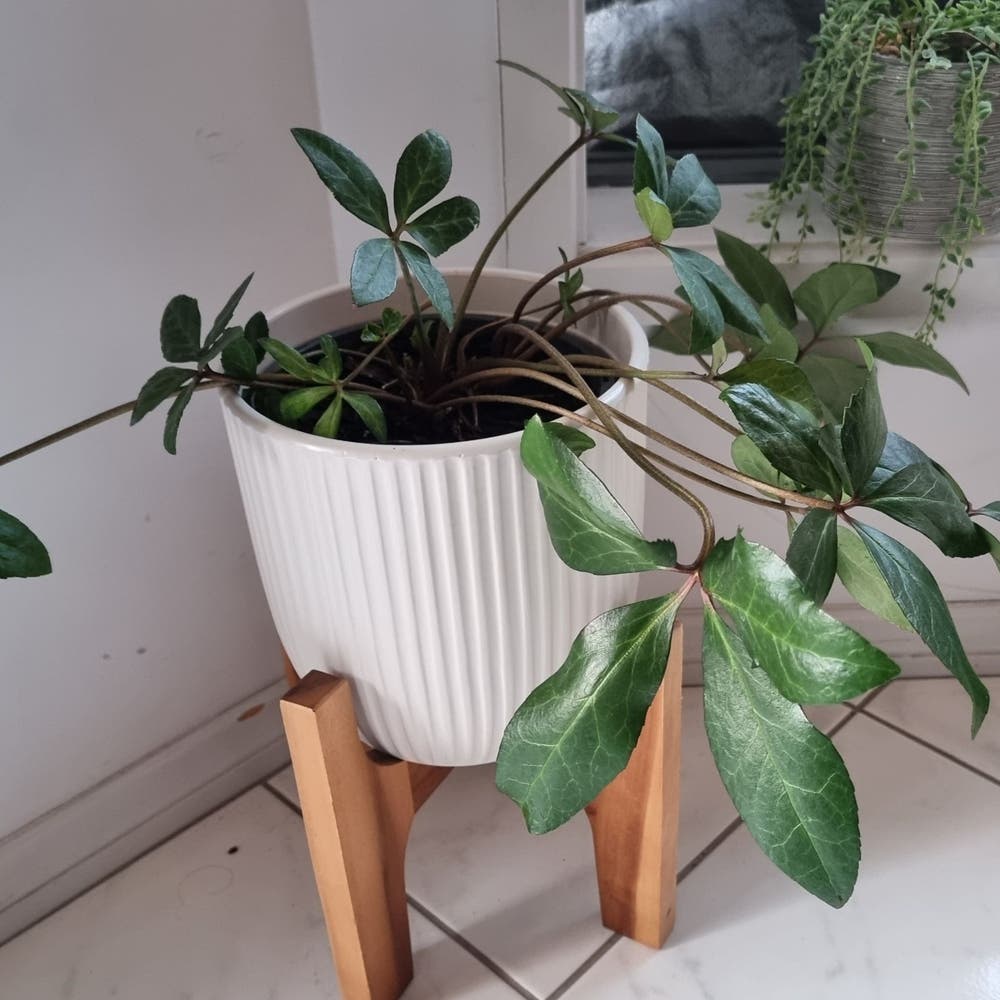
💧 Ultimate Guide to Humidity for Purple Hellebore
Helleborus orientalis
By the Greg Editorial Team
Oct 19, 2024•7 min read
This article was created with the help of AI so we can cover more plants for you. May contain errors. See one? Report it here.
Unlock vibrant blooms and robust growth for your Purple Hellebore by mastering humidity management! 🌱
- 🌧️ Purple Hellebore thrives at 40%-70% humidity, mimicking its natural habitat.
- 🌼 Optimal humidity boosts blooms and leaf health, enhancing overall plant vigor.
- ⚠️ Low humidity causes leaf curling and stunted growth; monitor levels closely.
Ideal Humidity Levels
🌧️ Humidity Requirements
For Purple Hellebore, the ideal relative humidity range is between 40% and 70%. This range is crucial because Helleborus orientalis thrives in environments that mimic its native habitat, where moisture levels are balanced.
Maintaining this humidity level directly influences the plant's growth and flowering. Higher humidity can enhance bloom quality, leading to more vibrant flowers, while also promoting healthy leaf development and overall plant vigor.
🌸 Impact of Humidity on Growth and Flowering
Humidity plays a significant role in the blooming process of Purple Hellebore. When humidity levels are optimal, you can expect lush, abundant flowers that truly showcase the plant's beauty.
Conversely, inadequate humidity can lead to poor flowering and lackluster leaf health. Ensuring your Hellebore has the right moisture levels will keep it robust and flourishing throughout its growing season.
Understanding these humidity requirements is essential for any gardener looking to cultivate healthy and vibrant Purple Hellebore. With the right conditions, your plants will not only survive but thrive, bringing joy and color to your garden.
Next, we’ll explore the effects of both low and high humidity on your Hellebore, so you can better manage its environment.
Effects of Low and High Humidity
🌵 Low Humidity Effects
Low humidity can be a silent killer for your Purple Hellebore. Symptoms often start with leaf curling and browning, signaling that your plant is stressed.
When humidity levels dip, you may also notice reduced flowering and poor bloom quality. This can be disheartening, especially if you’re eager to see those beautiful blooms.
Long-term exposure to low humidity can lead to serious consequences. Your plant becomes more susceptible to pests and diseases, which can wreak havoc on its health.
Additionally, sustained low humidity can stunt growth and lead to potential plant decline. It’s crucial to keep an eye on those humidity levels to ensure your Hellebore thrives.
🌧️ High Humidity Effects
On the flip side, excessive humidity can create its own set of problems. Symptoms include fungal issues like powdery mildew, which can spread quickly if not addressed.
Root rot is another concern, often resulting from poor drainage in overly humid conditions. This can be detrimental to the plant’s overall health.
Long-term high humidity can weaken the plant structure, reducing its resilience. You might notice a decline in flowering and overall vigor, which can be frustrating for any gardener.
Balancing humidity is key to keeping your Purple Hellebore healthy and vibrant. Understanding these effects can help you take proactive steps to maintain the ideal environment for your plants.
Local Humidity Considerations
🌧️ Assessing Local Humidity
Understanding the humidity levels in your area is crucial for the health of your Purple Hellebore. The right tools can help you measure and monitor these levels effectively.
Tools for Measuring Humidity
Hygrometers are your best friends when it comes to measuring humidity. There are various types, including analog and digital models, each offering unique features.
- Analog Hygrometers: These use a dial and needle to indicate humidity levels. They are simple and often more affordable.
- Digital Hygrometers: These provide precise readings and may include additional features like temperature readings and memory functions.
To use a hygrometer, simply place it in the vicinity of your plants and check the readings regularly. This will help you maintain the optimal humidity range for your Hellebore.
Understanding Local Climate Conditions
Gathering data on your local climate can provide valuable insights into humidity trends. Start by checking online weather services or local agricultural extensions for average humidity levels.
- Local Weather Stations: These often provide real-time data and historical averages.
- Climate Apps: Many smartphone apps can track humidity and other weather conditions in your area.
By understanding your local humidity patterns, you can better anticipate the needs of your Purple Hellebore and make informed adjustments to its care.
🌱 Transitioning to Humidity Management
Once you have a grasp on local humidity, you can implement strategies to manage it effectively. This will ensure your Hellebore thrives in its environment, setting the stage for vibrant blooms and healthy growth.
Strategies for Managing Humidity
🌧️ Boosting Humidity
Using Humidity Trays
Humidity trays are a simple yet effective way to increase moisture around your Purple Hellebore. To create one, gather shallow trays, pebbles, and water; fill the tray with pebbles and add water until it just touches the pebbles.
Place the tray near your plant, ensuring it’s not sitting directly in the water. This setup allows evaporation to raise humidity levels around the plant, creating a more favorable environment.
Grouping Plants Together
Another effective strategy is to group your plants together. This creates a microenvironment where humidity levels can rise due to the collective transpiration of the plants.
When plants are close, they share moisture, which can significantly benefit your Hellebore. Plus, it adds a lush aesthetic to your space!
Misting Techniques
Misting can also help boost humidity, but it’s essential to do it right. Use a fine mist spray bottle and lightly mist the leaves of your Purple Hellebore in the morning.
This practice helps maintain moisture without saturating the soil. Just be cautious not to overdo it, as excessive moisture on leaves can lead to fungal issues.
Humidifiers and Their Effectiveness
For a more consistent humidity boost, consider using a humidifier. There are various types available, including cool mist and ultrasonic humidifiers, both of which work well for indoor plants.
Choose a model that suits your space and needs. A humidifier can be particularly beneficial during dry winter months, ensuring your Hellebore thrives year-round.
🌬️ Reducing Humidity
Air Circulation Methods
Managing humidity isn’t just about adding moisture; sometimes, you need to reduce it. Good air circulation is crucial for preventing excess humidity buildup.
Use fans to promote airflow around your plants. This helps evaporate excess moisture and reduces the risk of fungal diseases.
Choosing the Right Potting Mix
Selecting the right potting mix can also help manage humidity levels. Look for well-draining potting mixes that allow excess moisture to escape.
A mix that retains some moisture while draining well will keep your Hellebore healthy without creating a soggy environment.
Avoiding Overwatering
Lastly, be mindful of your watering habits. Overwatering is a common mistake that can lead to high humidity levels and root rot.
Watch for signs of overwatering, such as yellowing leaves or a soggy pot. Adjust your watering schedule accordingly to maintain optimal humidity levels.
By implementing these strategies, you can create a balanced environment for your Purple Hellebore, ensuring it flourishes beautifully. Next, let’s explore common humidity-related problems and how to tackle them effectively.
Common Humidity-Related Problems
Signs of Humidity Stress 🌧️
Humidity stress can manifest in several noticeable ways. Look out for leaf discoloration, which may appear as yellowing or browning edges.
Wilting is another clear indicator, signaling that your Purple Hellebore is struggling. Additionally, keep an eye out for fungal growth, such as powdery mildew, which thrives in improper humidity conditions.
Solutions for Humidity Issues 💧
When you notice signs of humidity stress, immediate action is crucial. Start by adjusting your watering practices; ensure the soil is neither too dry nor overly saturated.
Next, consider modifying the humidity levels around your plant. For long-term success, establish a routine for monitoring humidity and make adjustments as needed. This proactive approach will help maintain an optimal environment for your Purple Hellebore.
By staying vigilant and responsive to these signs, you can foster a healthier, more vibrant plant. Now, let’s explore some common myths and misconceptions surrounding humidity needs.
Myths and Misconceptions
🧐 Common Myths
When it comes to humidity needs for Purple Hellebore, many gardeners hold onto misconceptions. One prevalent myth is that these plants can simply "tolerate" low humidity levels.
In reality, while Helleborus orientalis may survive in drier conditions, it won't thrive. Low humidity can lead to stress, impacting growth and flowering quality.
🤔 Clarifying Misconceptions
Another common misconception is that indoor humidity doesn't significantly affect plant health. However, humidity plays a crucial role in overall plant vitality.
Proper humidity levels help maintain leaf health and encourage robust blooms. Understanding this connection can transform your gardening approach, ensuring your Purple Hellebore flourishes.
By debunking these myths, you can create a more supportive environment for your plants. This knowledge empowers you to make informed decisions about humidity management, leading to healthier, happier blooms.
⚠️ Safety First
This content is for general information and may contain errors, omissions, or outdated details. It is not medical, veterinary advice, or an endorsement of therapeutic claims.
Always consult a qualified healthcare professional before using any plant as food, medicine, or supplement.
Never eat any plant (or feed one to pets) without confirming its identity with at least two trusted sources.
If you suspect poisoning, call Poison Control (800) 222-1222, the Pet Poison Helpline (800) 213-6680, or your local emergency service immediately.
Spotted an error? Please report it here.
Keep your Purple Hellebore thriving with perfect humidity levels 🌧️ by using Greg's tailored reminders and tips to create an ideal environment for stunning blooms!