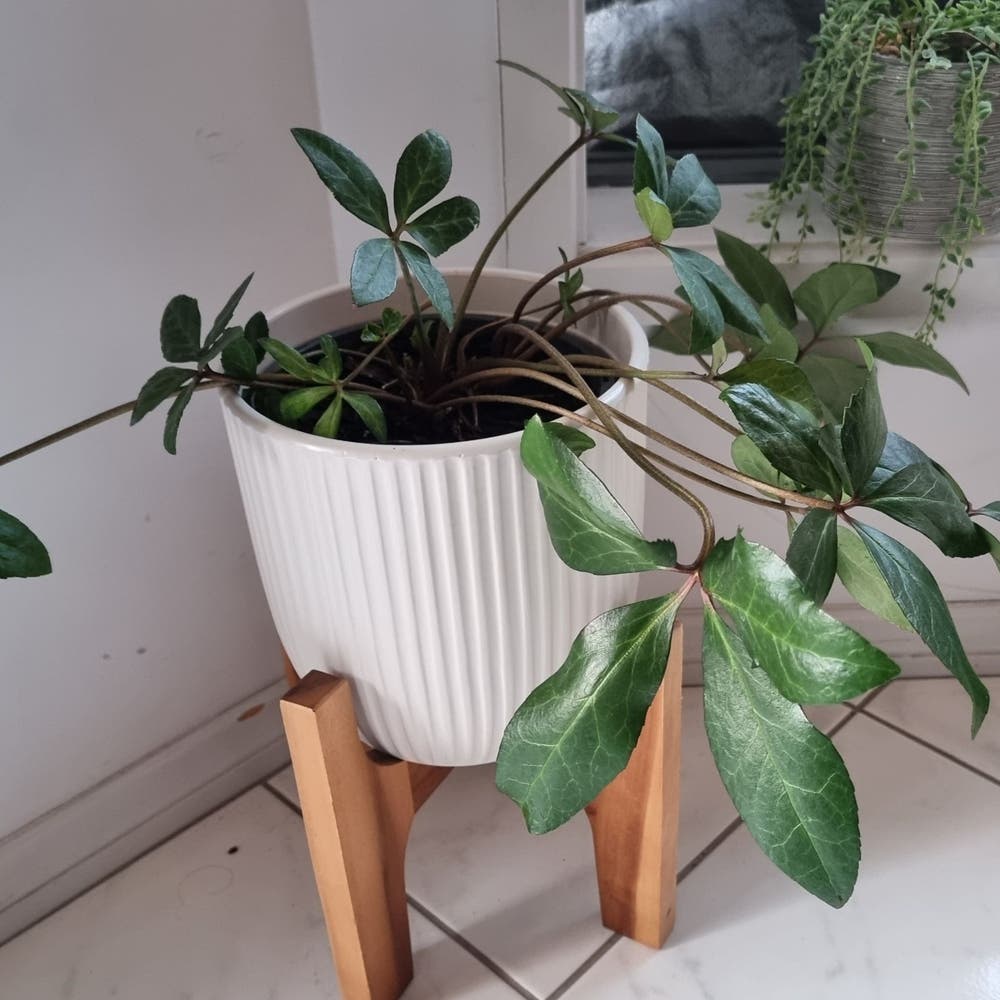
🌸 Step-by-Step Guide to Purple Hellebore Flowers
Helleborus orientalis
By the Greg Editorial Team
Oct 19, 2024•4 min read
This article was created with the help of AI so we can cover more plants for you. May contain errors. See one? Report it here.
Unlock vibrant Purple Hellebore blooms 🌸 that brighten your garden from winter's end to spring's arrival!
- 🌸 Purple Hellebores bloom from late winter to early spring, adding vibrant color to gardens.
- 🌿 These perennials thrive in partial shade and require consistent moisture for optimal growth.
- 🌼 Proper soil and fertilization are essential for encouraging long-lasting blooms each season.
Flowering Status of Purple Hellebore
🌸 Does Purple Hellebore Produce Flowers?
Yes, Purple Hellebore definitely produces flowers. These stunning blooms typically grace gardens from late winter to early spring, adding a splash of color when many other plants are still dormant.
The flowers emerge as a delightful surprise, often peeking through the last remnants of snow. Their early appearance makes them a favorite among gardeners eager for the first signs of spring.
Flower Characteristics
Description of Colors and Structure 🌈
Purple Hellebore flowers are a stunning sight, showcasing various shades of purple that can range from deep violet to soft lavender. Many blooms feature marbled patterns, adding an artistic flair to their appearance.
The flowers are cup-shaped, typically consisting of five to seven petals. Each petal can measure up to 3 inches across, creating a bold display that captures attention in any garden.
Self-Pollination vs. External Pollination 🐝
Purple Hellebore is primarily known for its ability to self-pollinate, which means it can produce seeds without needing pollen from another flower. However, it can also benefit from external pollination, often facilitated by insects like bees.
Understanding these pollination methods is crucial for gardeners. Successful pollination enhances flower production and ensures a vibrant display year after year.
Blooming Process
🌸 Blooming Stages
The blooming process of Purple Hellebore is a fascinating journey. It begins with bud formation, where tightly closed buds emerge, signaling the plant's readiness to bloom.
As winter wanes, these buds gradually open, revealing stunning flowers. Typically, this blooming occurs from late winter to early spring, bringing vibrant life to the garden.
⏳ Time from Bud Formation to Full Bloom
Once the buds form, they usually take about 2 to 4 weeks to reach full bloom. This timeframe can vary based on several factors, including temperature and moisture levels.
Warmer conditions may accelerate blooming, while cooler temperatures can slow it down. Understanding these influences can help you anticipate when your Hellebores will shine.
🌼 Duration of Flower Lifespan
Once fully bloomed, Purple Hellebore flowers typically last for 2 to 3 months. This longevity allows you to enjoy their beauty for an extended period.
However, factors like weather conditions and plant health can affect how long the flowers remain vibrant. Keeping an eye on these elements can help you maximize your blooms' lifespan.
As you nurture your Purple Hellebore, you'll find that understanding its blooming process enhances your gardening experience. Next, let's explore how to encourage those beautiful blooms to flourish even more.
Encouraging Blooms
Tips on How to Encourage Blooms 🌸
To get your Purple Hellebore flowers thriving, start with proper soil preparation. Aim for well-draining soil enriched with organic matter; this will provide the nutrients they crave.
Fertilization is key. Use a balanced fertilizer in early spring to kickstart growth. Remember, these plants prefer a gentle touch, so avoid over-fertilizing.
Light exposure plays a crucial role in blooming. Purple Hellebores thrive in partial shade, but they can also tolerate full shade. Just ensure they receive some light to encourage those vibrant blooms.
Factors Influencing Flowering 🌼
Several environmental factors can impact the flowering of Purple Hellebores. Temperature is vital; they prefer cooler conditions, which can promote better blooms.
Moisture levels are equally important. Keep the soil consistently moist but not soggy. This balance helps the plant stay healthy and encourages flowering.
Soil conditions also matter. Well-aerated, nutrient-rich soil supports robust growth. Seasonal changes can influence bloom timing, so be mindful of your local climate.
In summary, understanding these factors can significantly enhance your chances of a stunning bloom season. With the right care, your Purple Hellebores will reward you with beautiful flowers year after year.
Next, let’s explore what happens after the flowering period and how to maintain your plant’s health.
Post-Flowering Care
What Happens After the Flowering Period 🌱
After the vibrant blooms of Purple Hellebore fade, the plant enters a new phase. You'll notice that the foliage remains lush and green, continuing to photosynthesize and support the plant's health.
Maintaining this foliage is crucial for the plant's growth. It helps store energy for the next blooming season, ensuring your hellebore thrives year after year.
Does Purple Hellebore Die After Flowering? 🌼
Rest assured, Purple Hellebore is a perennial, meaning it won't die after flowering. Instead, it will continue to grow and flourish, often becoming a staple in your garden.
Understanding its life cycle is key to appreciating its longevity. With proper care, your hellebore can thrive for many seasons, bringing beauty to your garden long after its flowers have faded.
As you care for your hellebore post-bloom, remember that nurturing its foliage is just as important as enjoying its flowers. This will set the stage for a stunning display in the next blooming season.
⚠️ Safety First
This content is for general information and may contain errors, omissions, or outdated details. It is not medical, veterinary advice, or an endorsement of therapeutic claims.
Always consult a qualified healthcare professional before using any plant as food, medicine, or supplement.
Never eat any plant (or feed one to pets) without confirming its identity with at least two trusted sources.
If you suspect poisoning, call Poison Control (800) 222-1222, the Pet Poison Helpline (800) 213-6680, or your local emergency service immediately.
Spotted an error? Please report it here.
Transform your garden with stunning Purple Hellebores 🌸 by using Greg's tailored watering reminders and expert care tips to ensure vibrant blooms year after year!