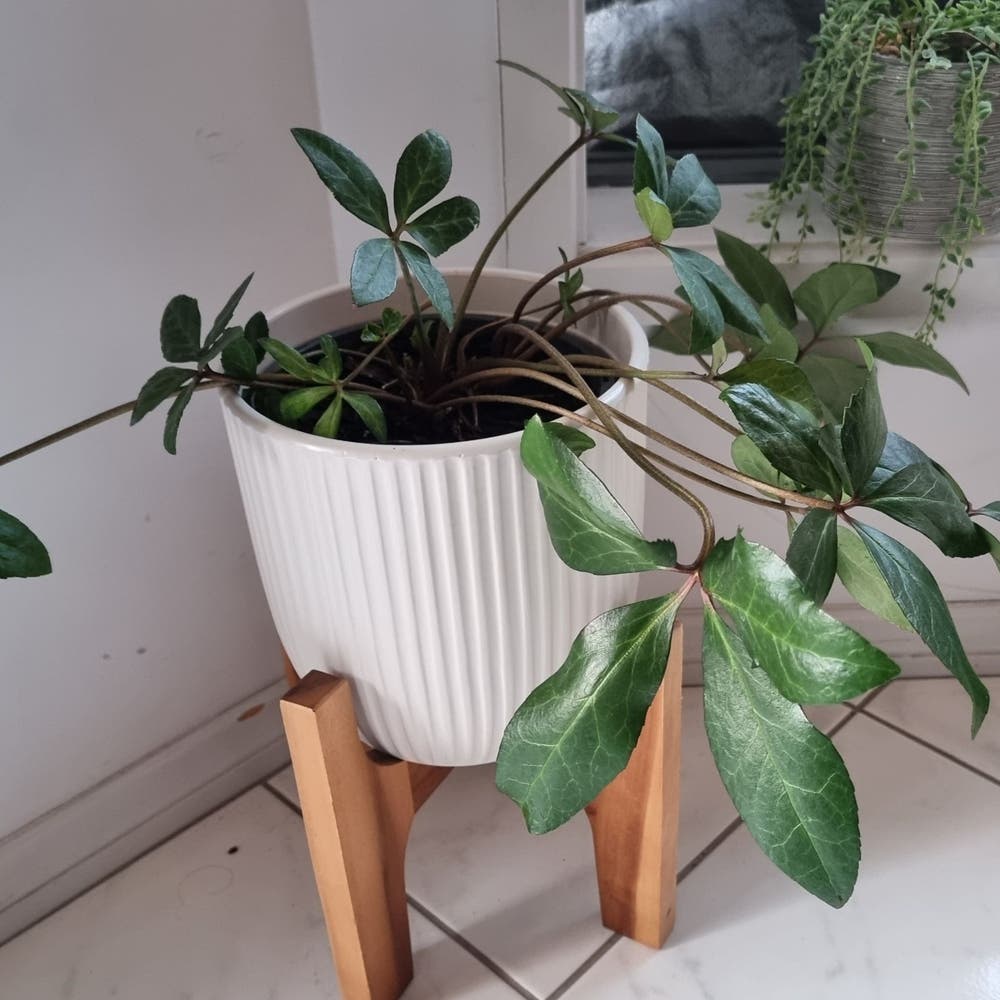
💜 Purple Hellebore: Not an Annual
Helleborus orientalis
By the Greg Editorial Team
Oct 19, 2024•2 min read
This article was created with the help of AI so we can cover more plants for you. May contain errors. See one? Report it here.
Elevate your garden with the enduring charm of Purple Hellebore 🌿, a perennial that thrives for decades!
- 🌼 Purple Hellebore is a hardy perennial, thriving for decades with minimal care.
- 🌱 Early blooms attract pollinators, enhancing garden biodiversity and visual interest.
- 🌍 Misconceptions about it being annual stem from environmental stress or poor care.
Purple Hellebore as a Perennial
🌱 Genetic Characteristics
Purple Hellebore is celebrated for its adaptability and hardiness. This species thrives in various environments, showcasing a remarkable ability to survive cold climates and regenerate from its root systems.
🌿 Physiological Traits Supporting Perennial Growth
The root system of Purple Hellebore is both robust and deep, allowing it to store nutrients and resist drought. Its evergreen foliage photosynthesizes early in the season, giving it a head start in growth.
📈 Long-Term Lifecycle and Growth Patterns
This perennial forms clumps that expand over time, creating a dense ground cover. Under optimal conditions, Purple Hellebore can thrive for decades, providing lasting beauty in any garden.
🐝 Reproductive Strategies
Purple Hellebore is capable of producing seeds that can germinate in subsequent seasons. It also attracts early pollinators, enhancing its reproductive success and ensuring a vibrant garden.
🗓️ Implications of Lifecycle on Garden Planning
When planning a garden, consider the seasonal advantages of early blooms. Investing in Purple Hellebore means securing a long-term source of beauty and structure in your landscape.
❓ Misconceptions and Exceptions
Sometimes, environmental stress or improper care can lead to misconceptions about Purple Hellebore being an annual. Additionally, regional variations can affect its classification, influenced by local climate and gardening practices.
🏡 Garden Design and Planning
Incorporating Purple Hellebore into perennial gardens offers numerous advantages, including early blooms and low maintenance. For optimal integration, consider ideal planting locations and companion planting strategies.
⏳ Maximizing Longevity
To ensure the longevity of your Purple Hellebore, focus on best management practices, including proper soil requirements and watering needs. Enhance growth and flowering through effective fertilization and pruning techniques.
⚠️ Common Challenges and Solutions
Be aware of potential challenges such as pest management and disease prevention. Addressing these issues proactively will help maintain the health and vibrancy of your Purple Hellebore.
As you explore the benefits of Purple Hellebore, consider how its unique traits can enhance your garden design. The next section will delve into the implications of its lifecycle on garden planning, ensuring you make the most of this stunning perennial.
⚠️ Safety First
This content is for general information and may contain errors, omissions, or outdated details. It is not medical, veterinary advice, or an endorsement of therapeutic claims.
Always consult a qualified healthcare professional before using any plant as food, medicine, or supplement.
Never eat any plant (or feed one to pets) without confirming its identity with at least two trusted sources.
If you suspect poisoning, call Poison Control (800) 222-1222, the Pet Poison Helpline (800) 213-6680, or your local emergency service immediately.
Spotted an error? Please report it here.
Discover the timeless beauty of Purple Hellebore 🌼 and let Greg provide tailored care reminders to help your garden thrive year after year!