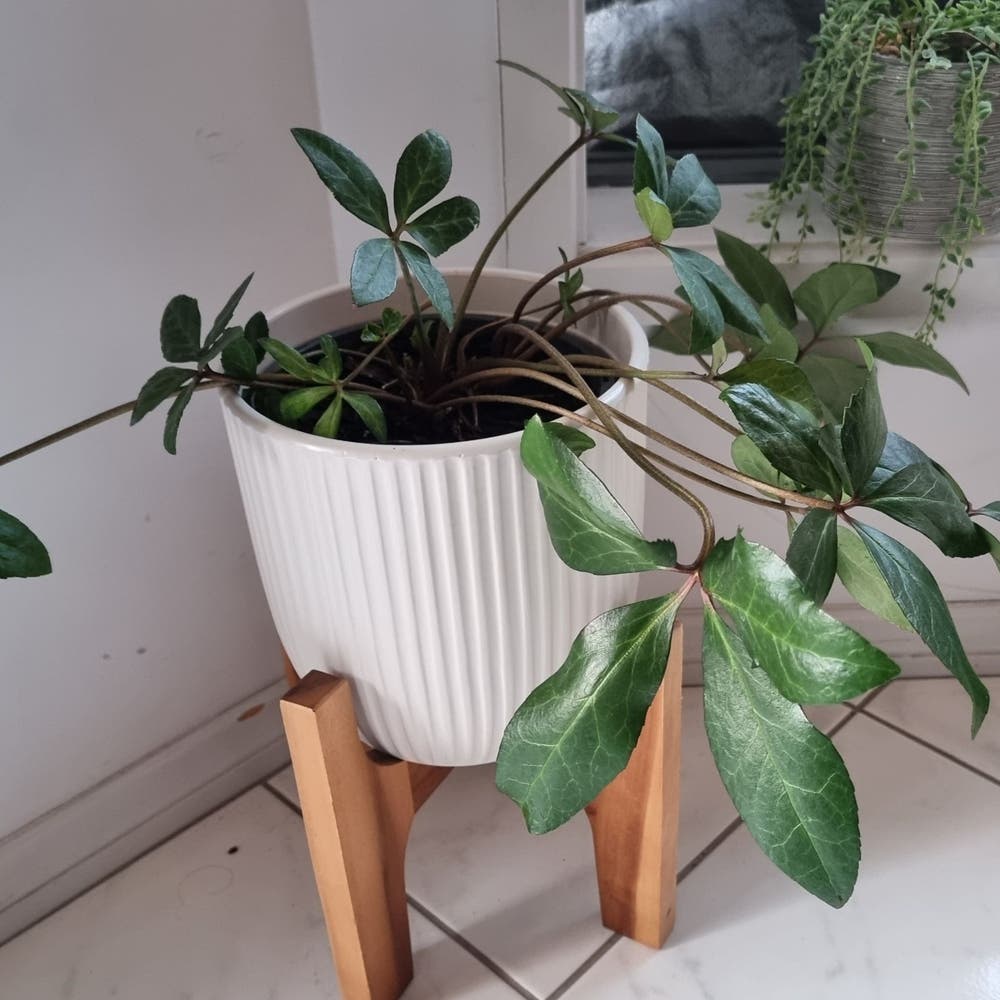
Best Potting Soil Mix for Purple Hellebore 🌸
Helleborus orientalis
By the Greg Editorial Team
Oct 19, 2024•5 min read
This article was created with the help of AI so we can cover more plants for you. May contain errors. See one? Report it here.
Revitalize your purple hellebore 🌱 with essential soil care tips for vibrant blooms and robust growth!
- 🌱 Healthy soil is vital; watch for mold, compaction, and waterlogging signs.
- 🧪 Conduct texture tests to assess soil health and prevent root rot.
- 🏡 Create a mix of potting soil, compost, perlite, and peat moss for optimal growth.
Identifying Unhealthy Soil
🚩 Signs of Unhealthy Soil
Recognizing unhealthy soil is crucial for the well-being of your purple hellebore. Look out for moldy soil, which appears as white or gray patches on the surface.
Another indicator is compaction, where the soil feels hard and dense, restricting root growth. Lastly, waterlogging can be a problem; if you notice puddles forming after watering, it’s a sign that drainage is inadequate.
🔬 How to Test Soil Health
Testing your soil health is straightforward and can save your plants. Start with a visual inspection for any mold or pests lurking in the soil.
Next, perform a soil texture test: grab a handful of soil and squeeze it. It should crumble easily, indicating good structure. Finally, conduct a moisture test to check for excessive dampness or dryness, which can affect plant health.
🌱 Common Soil Problems Specific to Hellebore
Purple hellebore can face specific soil challenges that hinder their growth. Root rot is a common issue, often caused by poor drainage that keeps roots sitting in water.
Additionally, nutrient deficiencies can lead to yellowing leaves, signaling that your plant isn’t getting what it needs. Lastly, soil compaction can restrict root expansion, making it harder for your hellebore to thrive.
Understanding these signs and tests will help you maintain healthy soil, ensuring your purple hellebore flourishes. Next, let’s explore how to create a homemade soil mix tailored for these beautiful plants.
Creating a Homemade Soil Mix
Step-by-Step Guide to Making Potting Soil 🌱
Creating the perfect potting soil mix for your purple hellebore is straightforward. Start by gathering your ingredients: potting soil, compost, perlite, and peat moss.
Next, mix these components in a large container. Combine the potting soil and compost first, ensuring they blend well. Gradually add perlite and peat moss to enhance drainage and moisture retention.
Finally, check the texture of your mix. It should be crumbly and loose, allowing for optimal root growth.
Recommended Ingredients for Hellebore Soil Mix 🥬
Choosing the right ingredients is crucial for your hellebore's health. Start with high-quality potting soil, which provides a solid nutrient base.
Add compost to enhance organic content and nutrients. Incorporate perlite or coarse sand to improve drainage, and include peat moss to retain moisture without causing waterlogging.
Adjusting Soil pH and Texture ⚖️
Soil pH can significantly impact plant health. If your soil is too alkaline, use sulfur to lower the pH. Conversely, add lime to raise the pH if it’s too acidic.
To improve texture, incorporate more organic matter. This will create a balanced environment for your hellebore, promoting healthy growth.
With your homemade soil mix ready, you’re well on your way to nurturing vibrant purple hellebores. Next, let’s explore soil amendments and enhancements to further boost your plants’ vitality.
Soil Amendments and Enhancements
🌱 Organic Amendments for Improving Soil Quality
To boost your soil's health, consider adding organic amendments.
- Compost is a powerhouse, enriching the soil with nutrients and improving its structure.
- Leaf mold is another excellent choice, enhancing moisture retention and aeration.
These amendments not only nourish your plants but also create a thriving ecosystem in your garden.
🥦 Nutrient Requirements for Hellebore
Purple hellebore thrives on a balanced diet of essential nutrients.
Key nutrients include nitrogen, phosphorus, and potassium.
When these are lacking, you might notice signs like stunted growth or poor flowering.
Regularly checking nutrient levels can help keep your hellebore vibrant and healthy.
🌊 How to Enhance Drainage and Aeration
Good drainage and aeration are crucial for hellebore health.
Incorporate coarse materials like perlite or gravel to improve soil structure.
These additions help prevent waterlogging, which can lead to root rot.
Additionally, make it a habit to aerate your soil by turning it over during the growing season.
This practice promotes root expansion and overall plant vitality.
With these soil enhancements, your purple hellebore will flourish, setting the stage for vibrant blooms.
Next, let’s explore seasonal soil considerations to keep your plants thriving year-round.
Seasonal Soil Considerations
🌱 Seasonal Adjustments to Soil Mix
As the seasons change, so should your approach to potting soil for purple hellebore. In the fall, adding organic matter is crucial to prepare your plants for winter's chill.
In spring, it's time to refresh your soil mix. Incorporate compost and nutrients to give your hellebores a vibrant start as they wake from dormancy.
❄️ Preparing Soil for Winter Dormancy
Mulching with organic materials is a smart move to protect your hellebore roots during winter. This layer acts as insulation, keeping the soil temperature stable.
Additionally, ensure your soil is well-drained. Preventing water from pooling is essential to avoid freezing damage that can harm your plants.
🌼 Spring Soil Refresh for Hellebore
When spring arrives, top-dressing with compost is a fantastic way to replenish nutrients. This simple step can make a significant difference in your plants' health.
Don't forget to check soil moisture levels as the weather warms up. Adjust your watering routine accordingly to keep your hellebores thriving.
With these seasonal considerations, your hellebores will be well-prepared to flourish throughout the year. Next, let's explore soil amendments and enhancements to further boost your plants' growth.
⚠️ Safety First
This content is for general information and may contain errors, omissions, or outdated details. It is not medical, veterinary advice, or an endorsement of therapeutic claims.
Always consult a qualified healthcare professional before using any plant as food, medicine, or supplement.
Never eat any plant (or feed one to pets) without confirming its identity with at least two trusted sources.
If you suspect poisoning, call Poison Control (800) 222-1222, the Pet Poison Helpline (800) 213-6680, or your local emergency service immediately.
Spotted an error? Please report it here.
Nurture your purple hellebores to bloom beautifully 🌸 by using Greg's tailored soil care tips and reminders to create the perfect potting mix for thriving plants!