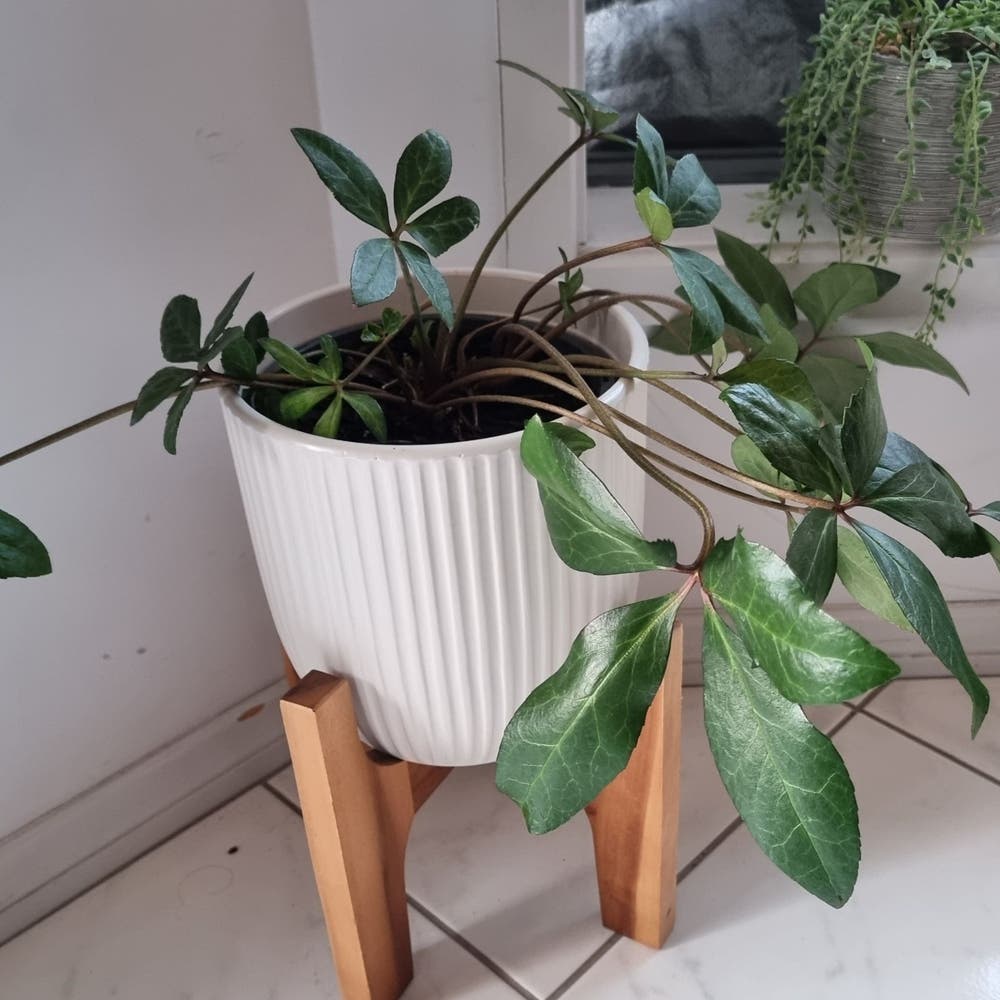
Should I Repot My Lenten Rose?
Helleborus orientalis
By the Greg Editorial Team
Jun 18, 2024•3 min read
This article was created with the help of AI so we can cover more plants for you. May contain errors. See one? Report it here.
Revitalize your Lenten Rose's blooms 🌸 by learning the timely art of repotting!
- Root-bound or decreased blooms? Time to repot your Lenten Rose.
- Repot after flowering in early spring for minimal disruption.
- Choose terracotta pots for breathability; avoid metal and glass.
Spot the Tell-Tale Signs It's Time for a New Home
🌱 Root Tango in a Tiny Pot
Roots circling the pot or poking through drainage holes are red flags; your Lenten Rose is root-bound. It's not trying to explore; it's suffocating. If you see roots escaping, it's time for a repotting mission.
🌸 Blooms on Strike
When your Lenten Rose's blooms are MIA, it's not just shy—it's a distress signal. Decreased flowering is a plant's way of saying, "I need more space, pronto!"
💧 Water, Water Everywhere, But Not a Drop to Drink
If watering your plant feels like a pointless endeavor and the soil dries out faster than a witty comeback, it's a sign. Poor drainage means the roots are too cramped, and it's time for a change of residence.

Timing is Everything: When to Give Your Lenten Rose a Fresh Start
🌸 Post-Flower Power Move
Your Lenten Rose has just finished its show-stopping bloom. Now's the time to repot. Post-bloom repotting avoids interrupting the plant's flowering cycle, ensuring it focuses on establishing roots rather than pushing out petals.
🌱 Spring into Action
Early spring is like a green light for repotting. Growth is kicking in, and the weather is mild. This timing gives your Lenten Rose the whole season to settle into its new digs before the stress of summer heat or winter chill.

The Nitty-Gritty of Repotting Your Lenten Rose
🌱 Choosing the Right Soil Mix
Your Lenten Rose is a bit of a diva when it comes to soil. Well-draining and fertile is the name of the game. Think of it as the plant equivalent of a high-thread-count sheet; comfort is key. Mix in some compost or manure tea for that extra nutrient kick. Remember, a happy Lenten Rose is all about that posh, enriched soil life.
👩🌾 Step-by-Step: The Great Escape and Rehome
Alright, let's get our hands dirty – literally. First, gently coax your Lenten Rose out of its current pot; no yanking allowed. If it's playing hard to get, use a sterilized knife to help it along. Now, let's move it to its swanky new abode. Ensure the pot is a step up in size – think cozy, not cavernous. 12 inches wide and deep should do the trick. Finally, settle your plant into a well-moistened mix, tuck it in snugly, and give it a light watering. Voilà, you've mastered the art of the Lenten Rose shuffle.

Picking the Perfect Pot: Material Matters
🏺 Terracotta vs. Plastic: The Breathability Battle
Terracotta pots are the lunges of the plant world, letting roots breathe and preventing water from overstaying its welcome. Weight is their downside, making them less ideal for those who like to shuffle their plants around. Plastic pots, meanwhile, are the lightweight champions, but they tend to hog water, which can lead to root parties nobody wants to attend—overwatering issues.
🚫 The Downside of Chic: When Trendy Materials Fail
Metal and glass pots might win Instagram, but they're not doing any favors for your Lenten Rose. Metal can rust like an old bike left in the rain, potentially harming your plant, while glass is about as breathable as a spacesuit, often lacking the crucial drainage your plant needs to avoid root rot.
⚠️ Safety First
This content is for general information and may contain errors, omissions, or outdated details. It is not medical, veterinary advice, or an endorsement of therapeutic claims.
Always consult a qualified healthcare professional before using any plant as food, medicine, or supplement.
Never eat any plant (or feed one to pets) without confirming its identity with at least two trusted sources.
If you suspect poisoning, call Poison Control (800) 222-1222, the Pet Poison Helpline (800) 213-6680, or your local emergency service immediately.
Spotted an error? Please report it here.
Repot your Lenten Rose at just the right moment and ensure it's happily settled 🌱 with Greg's timely reminders and care tips from this guide.