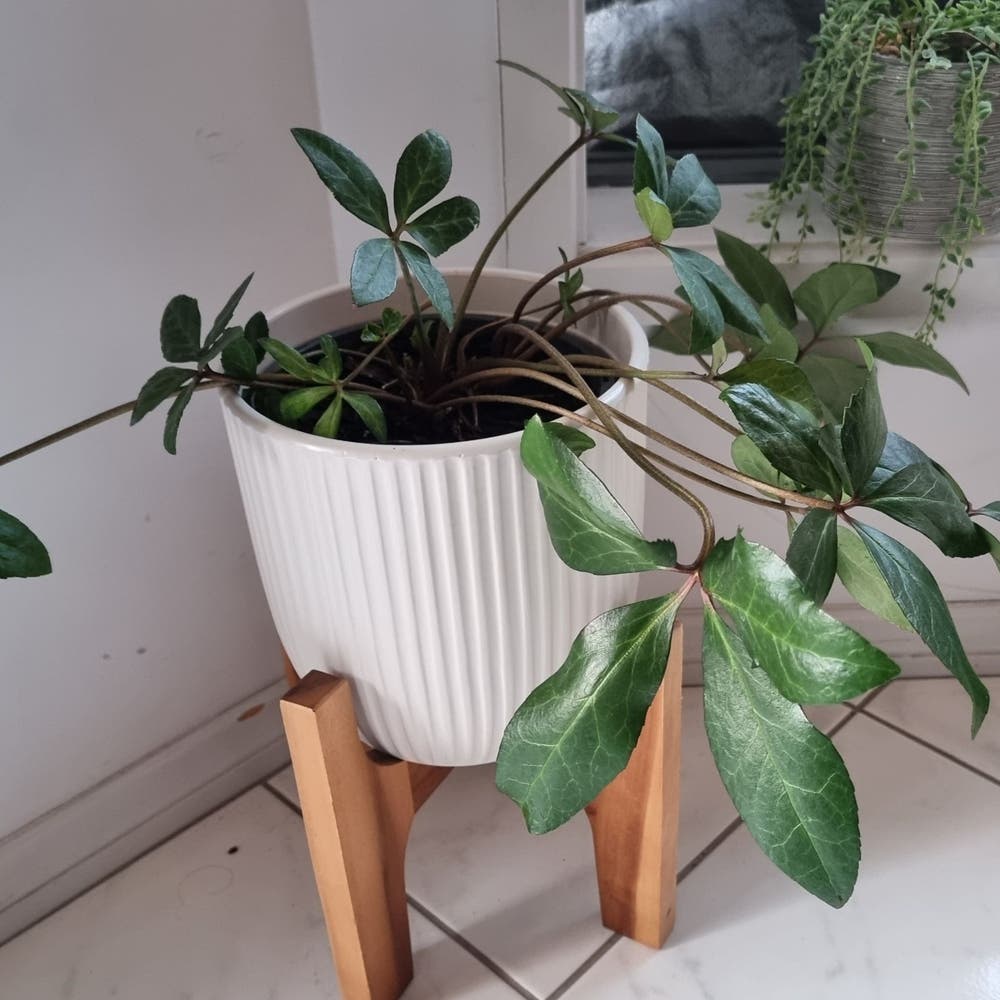
How Do I Fix Lenten Rose Root Rot?
Helleborus orientalis
By the Greg Editorial Team
Jun 18, 2024•3 min read
This article was created with the help of AI so we can cover more plants for you. May contain errors. See one? Report it here.
Rescue your Lenten Rose from root rot's clutches 🌿 with this empowering guide to spotting and solving the issue!
- Yellow leaves and wilting signal potential root rot in Lenten Rose.
- Prune infected roots with sterilized tools and adjust watering habits.
- Repot in well-draining soil and consider disease-resistant varieties.
Spotting the Red Flags: Symptoms of Root Rot in Lenten Rose
🚩 Visual Distress Signals
Yellowing leaves on your Lenten Rose aren't a fashion statement; they're a cry for help. Wilting and stunted growth are the plant's version of a white flag, signaling a potential root rot issue beneath the soil.
🕳️ Going Underground
Discoloration and mushiness of roots are the underground evidence of distress. If the roots of your Lenten Rose feel like they've lost their firmness, it's time to take action. A bad smell emanating from the soil is the olfactory red flag that should prompt immediate intervention.

The Rescue Mission: Treating Root Rot in Lenten Rose
🏥 First Aid for Roots
Root rot in your Lenten Rose requires immediate intervention. Begin by gently removing the plant from its pot and shaking off excess soil. Inspect the roots: healthy ones are firm and white, while infected ones are brown and mushy. With sterilized scissors, snip away the rotten parts. It's plant surgery, and every cut counts.
🌱 Soil and Water Overhaul
Once the roots are pruned, focus on the environment. Overwatering is a common culprit, so let's dial that back. Ensure the soil is moist but not soggy, and allow it to dry between waterings. Repot your Lenten Rose in fresh, well-draining soil—think of it as a new bed for your recovering plant.
🦠 Fungal Foes: Choosing Your Weapons
If the root rot is severe, a fungicide might be your ally. After pruning and before repotting, consider dipping the healthy roots in a fungicide solution. This acts as a shield against lingering pathogens. Remember, cleanliness is paramount—sterilize your tools before and after use to prevent spreading any infections.

Building Defenses: Preventing Future Root Rot
💧 Water Wisdom
Watering is a delicate dance, and getting it right is crucial for Lenten Rose health. In the quest for the perfect moisture balance, consider the plant's seasonal needs. During the summer, your Lenten Rose might be as thirsty as a marathon runner, while in winter, it's more like a hibernating bear, barely sipping at all. Stick your finger into the soil; if the top inch is dry, it's time to water. If it's damp, give it a break. Overwatering is the fast lane to root rot city.
🏡 The Right Home for Your Roots
Selecting the right pot and soil is like choosing a well-constructed house for your plant. Ensure your pot has drainage holes; they're non-negotiable. A layer of pebbles at the bottom isn't just for show—it's the unsung hero that keeps water from overstaying its welcome. Pair this with a well-draining soil mix, think a trio of peat, perlite, and vermiculite, and you've got an environment where root rot dares not tread.
🛡️ Keeping the Enemy at Bay
To keep root rot in the history books, vigilance is your watchword. Embrace disease-resistant Lenten Rose varieties—they're like having a built-in immune system. Keep a close eye on your plant's health; regular check-ups are better than an apple a day. And remember, environmental control is key. Aim for that Goldilocks zone of humidity—not too much, not too little. If you tend to overwater, it's time to practice restraint. Let the soil dry out a touch between waterings, and you'll be the proud owner of a robust Lenten Rose.

⚠️ Safety First
This content is for general information and may contain errors, omissions, or outdated details. It is not medical, veterinary advice, or an endorsement of therapeutic claims.
Always consult a qualified healthcare professional before using any plant as food, medicine, or supplement.
Never eat any plant (or feed one to pets) without confirming its identity with at least two trusted sources.
If you suspect poisoning, call Poison Control (800) 222-1222, the Pet Poison Helpline (800) 213-6680, or your local emergency service immediately.
Spotted an error? Please report it here.
Combat Lenten Rose root rot by spotting early warnings and pruning with care; Greg's reminders 🚿 will help ensure your watering habits are spot-on to prevent future issues.