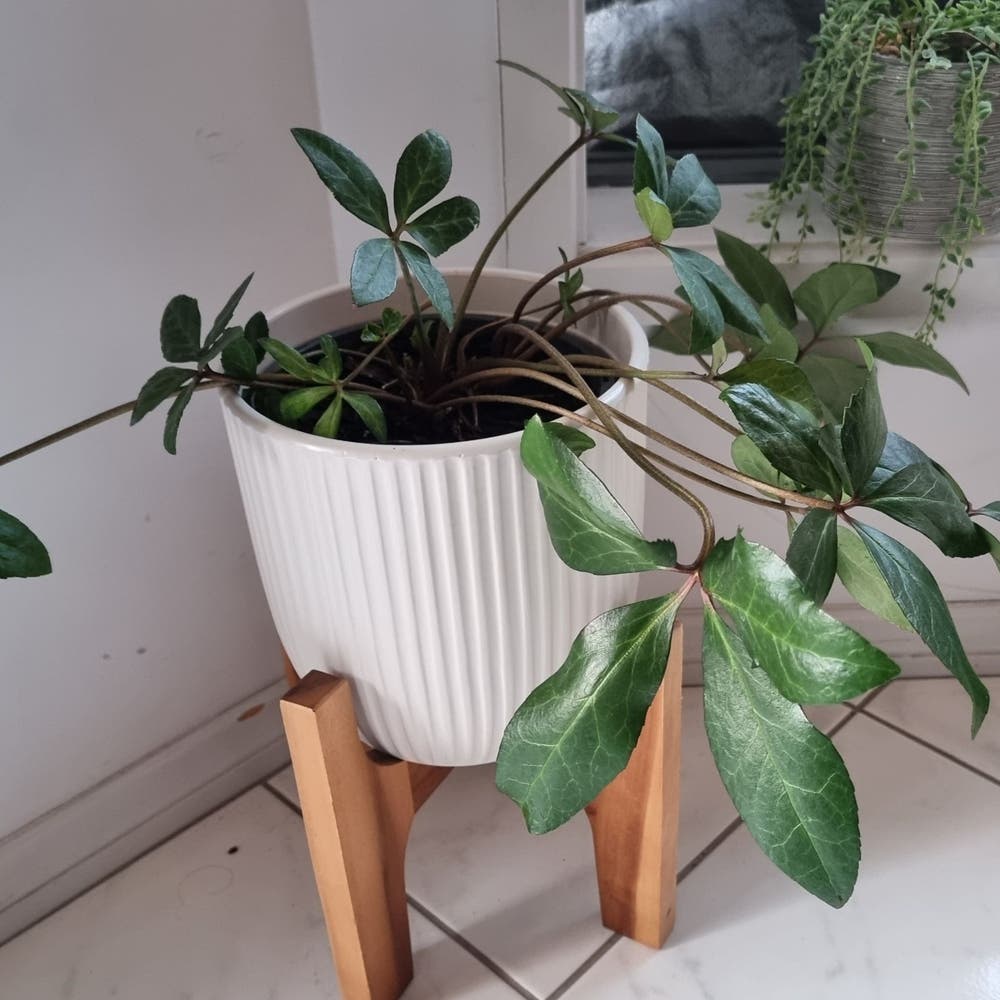
Why Are My Lenten Rose Leaves Droopy?
Helleborus orientalis
By the Greg Editorial Team
Jun 18, 2024•4 min read
This article was created with the help of AI so we can cover more plants for you. May contain errors. See one? Report it here.
Perk up your Lenten Rose 🌹 with the right fixes for droopy leaves and ensure its lasting beauty.
- Droopy leaves signal distress; look for limpness, yellowing, and black marks.
- Water carefully: Soggy soil and wilting indicate over/underwatering issues.
- Maintain ideal conditions: Proper drainage, temperature, and light are crucial.
Spotting the Trouble: Signs Your Lenten Rose is Unhappy
🌿 Normal vs. Unhealthy Droopiness
Lenten Roses naturally have a relaxed posture, but excessive droopiness can signal distress. When leaves sag more than usual and lose their usual resilience, it's time to pay attention.
🔍 Visual Cues of Distress
Look for leaves that are limp or yellowing, a stark contrast to the plant's typical deep green. Unhealthy droopiness often comes with other symptoms like diminished blooms or black marks on foliage, hinting at potential disease.
🌱 Beyond the Leaves
Don't just stop at leaf inspection. Check for crispy edges or curling that suggests a cry for help in the humidity department. Sticky residue or a reduction in flowering can also be subtle signs of an unhappy Lenten Rose.
🚨 Immediate Action Required
When these visual cues pop up, swift response is crucial. Adjusting care routines promptly can prevent further decline and set your Lenten Rose on the path to recovery.

Water Woes: Finding the Balance for Your Lenten Rose
💦 Overwatering: The Soggy Culprit
Soggy soil and yellowing leaves are tell-tale signs of an overwatered Lenten Rose. Mushy stems are a red flag; they indicate that your plant is more waterlogged than a sponge in a kiddie pool.
To rescue your Lenten Rose, first ease up on the watering. Check the soil: if it clings to your finger, it's too wet. Ensure proper drainage in the pot, and consider a soil mix that's less about retaining water and more about letting it flow through.
🏜️ Underwatering: When Thirst Leads to Droop
Wilting leaves that look as sad as a forgotten birthday are a sign your Lenten Rose is thirsty. Dry, crumbly soil is a dead giveaway that your plant's been left high and dry.
To quench its thirst, water slowly and thoroughly. Let the water reach the roots without drowning them in a tsunami. If the soil dries out faster than your phone battery, it might be time to repot into a container that's less like a desert and more like a well-balanced habitat. Remember, room temperature water is your plant's best friend—cold water is as shocking to them as a snowball to the face.

Soil and Roots: The Foundation of Upright Leaves
🌱 Improving Soil Drainage
Poor drainage is a silent killer. If your Lenten Rose is sitting in waterlogged soil, it's screaming for help. Yellowing leaves and a general look of despair are tell-tale signs. To fix this, think of your soil as a custom suit—it needs to fit your plant perfectly. Mix in organic matter like compost or leaf mold to increase aeration. A dash of perlite or sand can also improve texture, creating a five-star environment for those roots.
🕵️♂️ Root Health Check
Roots should be the color of a healthy smile—white and firm, not brown and mushy. If they're not, it's time for a rescue mission. Gently remove your Lenten Rose from its pot and inspect the damage. Trim away any rotten parts with a sterilized knife. Then, repot with the upgraded soil mix and ensure your pot has drainage holes. Remember, roots are like introverts—they need space to thrive, so don't suffocate them with soggy soil.

Shielding from Stress: Creating a Cozy Home for Lenten Rose
🌡️ Battling Temperature Extremes
Lenten Roses don't appreciate the thrill of temperature roller coasters. Scorched leaves in winter's deep freeze or summer's intense heat are distress signals. To prevent this, provide winter protection and summer shade, especially in zones with harsh climates.
💡 Tips for Maintaining the Ideal Temperature Range
Keep your Lenten Rose in a steady temperature range, ideally between 65°F to 80°F. Use mulch for insulation and position the plant in a location that avoids drafts and direct heat sources. A consistent environment equals a happier plant.
🌞 Light and Humidity: Striking the Right Balance
Adjusting light levels is crucial for Lenten Rose leaf health. Too much sun can lead to scorched leaves, while too little can weaken the plant. Aim for bright, indirect light, and consider using a shade cloth during peak sun hours.
🏜️ Managing Humidity to Prevent Droopy Leaves
Lenten Roses thrive in humid conditions, but balance is key. Avoid placing your plant near air vents or in dry rooms. If necessary, use a humidifier or mist the leaves to maintain a comfortable humidity level, preventing droopiness.
⚠️ Safety First
This content is for general information and may contain errors, omissions, or outdated details. It is not medical, veterinary advice, or an endorsement of therapeutic claims.
Always consult a qualified healthcare professional before using any plant as food, medicine, or supplement.
Never eat any plant (or feed one to pets) without confirming its identity with at least two trusted sources.
If you suspect poisoning, call Poison Control (800) 222-1222, the Pet Poison Helpline (800) 213-6680, or your local emergency service immediately.
Spotted an error? Please report it here.
Turn your Lenten Rose's frown upside down and achieve peak bloom 🌿 by using Greg to tailor your watering and care schedule for a vibrant comeback.