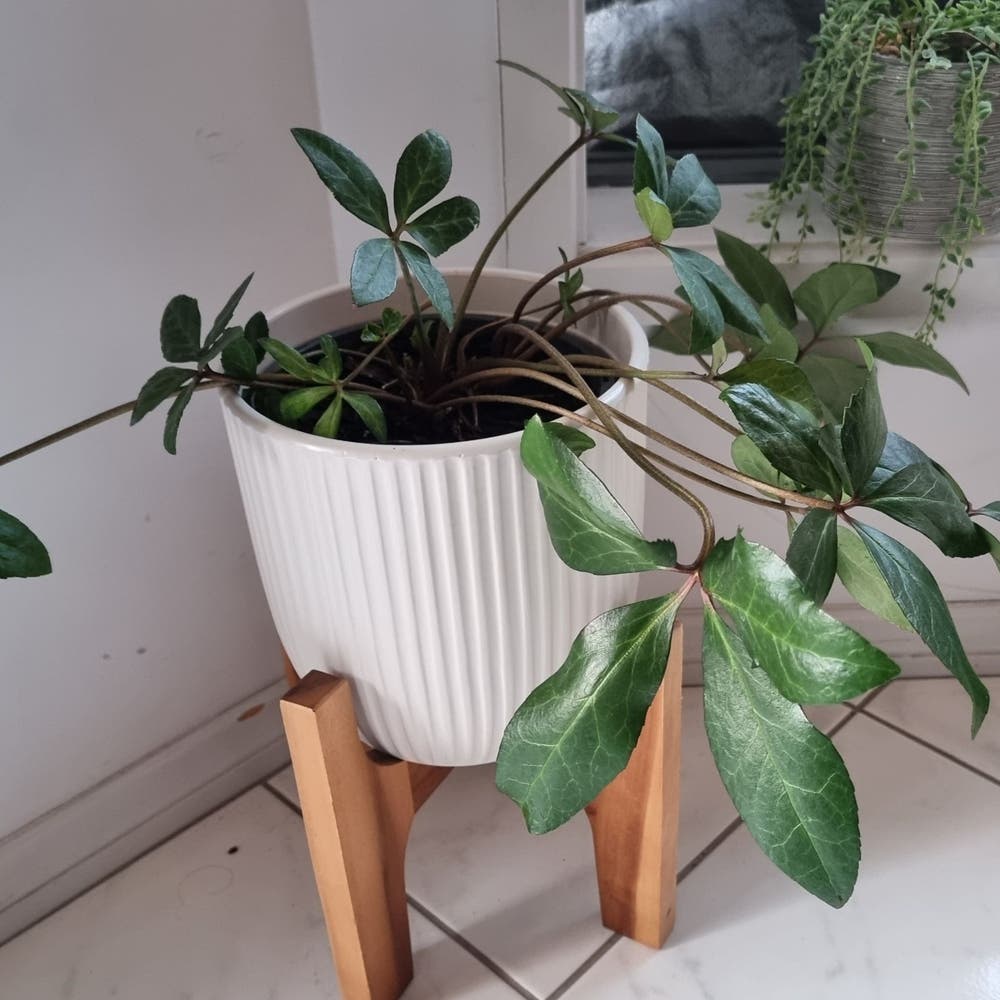
Black Spots on My Lenten Rose Leaves
Helleborus orientalis
By the Greg Editorial Team
Jun 18, 2024•2 min read
This article was created with the help of AI so we can cover more plants for you. May contain errors. See one? Report it here.
Banish black spots 🌑 on Lenten Roses with expert tips to keep your blooms thriving! 🌹
- Fungi and bacteria cause black spots; look for lesions and mildew.
- Prevent with proper care: avoid overwatering and ensure good air circulation.
- Treat organically or chemically, using neem oil or fungicides as needed.
Spotting Trouble: Recognizing and Understanding Black Spots
🚨 What Black Spots Look Like
Black spots on Lenten Rose leaves are the plant's SOS—a distress signal indicating all is not well. These spots are typically small and dark, starting as tiny specks that can grow into larger blotches if ignored. They're like the plant world's version of chickenpox: unsightly and a sign of underlying issues.
🍄 Fungal Foes and Bacterial Bullies
The most common culprits behind these blemishes are fungal infections such as Septoria leaf spot and powdery mildew. These fungi love a good sauna-like environment—warm and moist. Bacterial infections, though less common, are no less of a headache, presenting as water-soaked lesions that make leaves look as if they've been through a downpour.
🌿 Environmental Enablers
Certain conditions roll out the red carpet for these pathogens. Overwatering, poor drainage, and lack of air circulation create the perfect storm for black spots to thrive. It's like throwing a party and accidentally inviting troublemakers—without the right environment, they wouldn't be there. Keep your Lenten Roses in check by ensuring they're not sitting ducks for these environmental enablers.

Section

Combat Strategies: Treating Black Spots
🌱 Going Organic
Neem oil is your plant's best friend in the organic treatment arena. It's a natural fungicide that can turn the tide in your battle against black spots. If you're into homebrew solutions, whip up a concoction of baking soda, water, and a squirt of soap. This mixture tweaks the leaf's pH to a level that fungi find downright inhospitable. Other eco-warriors include mined sulfur and insecticidal soap, both of which can bolster your plant's defenses without harsh chemicals.
💣 Chemical Warfare
Sometimes, you've got to bring out the big guns. When organic potions just don't cut it, it's time to consider fungicides. But don't go spraying willy-nilly; read those labels like they contain the secrets to the universe. If bacteria are the bane of your Lenten Rose, targeted bactericides with copper compounds might be your Hail Mary. Use these potent potions sparingly—think sniper, not spray-and-pray. And always remember: rotating your chemical agents is like changing your passwords; it keeps the pathogens guessing and resistance low.

⚠️ Safety First
This content is for general information and may contain errors, omissions, or outdated details. It is not medical, veterinary advice, or an endorsement of therapeutic claims.
Always consult a qualified healthcare professional before using any plant as food, medicine, or supplement.
Never eat any plant (or feed one to pets) without confirming its identity with at least two trusted sources.
If you suspect poisoning, call Poison Control (800) 222-1222, the Pet Poison Helpline (800) 213-6680, or your local emergency service immediately.
Spotted an error? Please report it here.