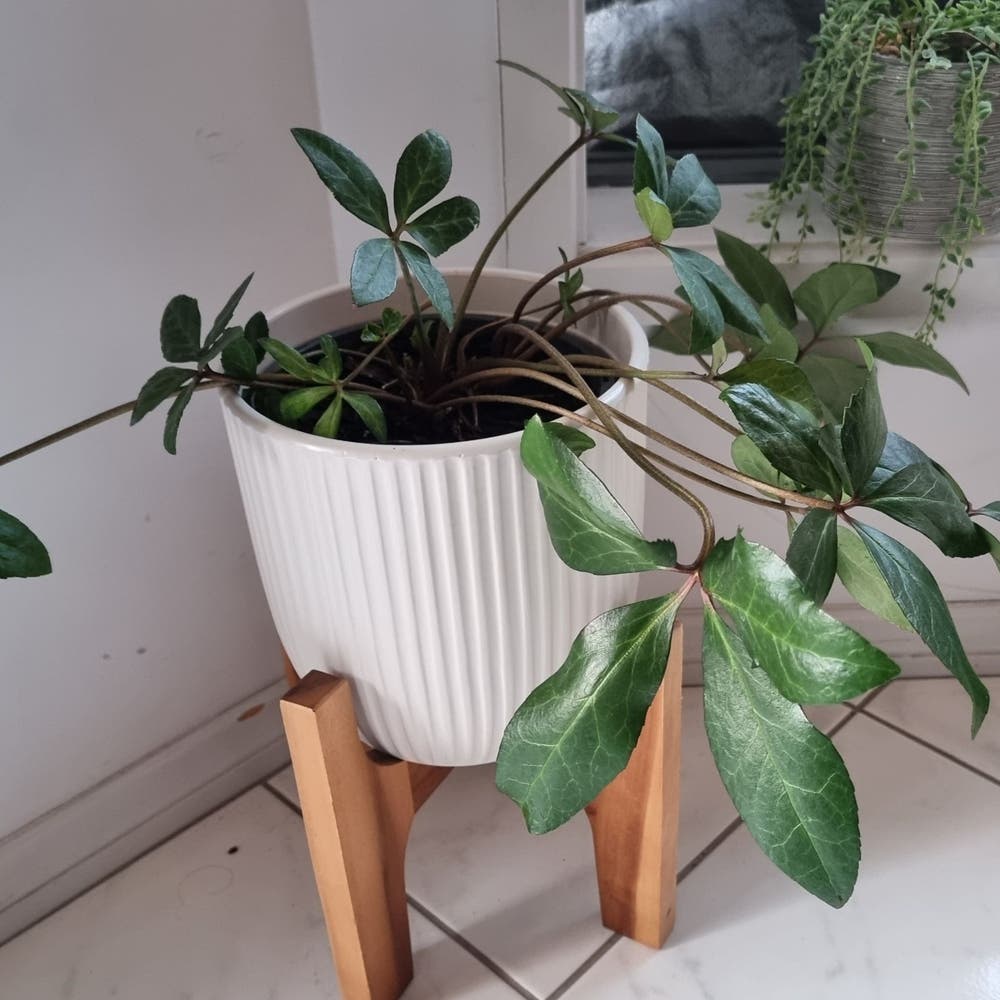
⚠️ Why Are the Leaves on My Lenten Rose Turning Yellow?
Helleborus orientalis
By the Greg Editorial Team
Jun 18, 2024•3 min read
This article was created with the help of AI so we can cover more plants for you. May contain errors. See one? Report it here.
Turn your Lenten Rose's yellow leaves to lush green with simple, effective care strategies! 🌿✨
- Nutrient deficiencies cause yellowing; soil tests guide fertilization.
- Overwatering and poor drainage can lead to yellow leaves; adjust watering and soil.
- Regular checks for pests/diseases and environmental control keep leaves green.
Pinpointing the Culprits Behind Yellow Leaves
💡 Nutrient Deficiencies and Fixes
Yellowing leaves on your Lenten Rose might be a nutrient heist in progress. Nitrogen shortages often manifest as yellowing in the lower leaves. A lack of iron might leave the veins green while the rest of the leaf turns yellow. And a magnesium shortage? Look for a yellow pattern between the veins.
To get your Lenten Rose back in the green, consider a soil test. It's like a wellness check for your garden's ground. A balanced fertilizer can address nitrogen scarcity, while chelated iron supplements tackle iron deficiencies. For a quick magnesium fix, mix in some Epsom salts.
🚰 Water Woes: Overwatering and Poor Drainage
Is your Lenten Rose drowning in love? Overwatering can lead to yellow leaves, a sign of soggy roots. Ensure the soil dries a bit between waterings. If your plant's feet are constantly wet, it's time for a soil intervention. Mix in some organic matter to improve drainage and aeration.
🐜 Unwanted Guests: Pests and Diseases
Aphids and leaf spot could be turning your Lenten Rose yellow. These uninvited guests are not just annoying—they're leaf-color thieves. Regular plant check-ups are key. Spot an aphid? Introduce some ladybugs, nature's tiny pest control agents. For leaf spot, clear away affected foliage and consider a fungicide if things get dire. Remember, cleanliness is next to pestlessness—keep your garden tools spotless to prevent the spread of disease.

Environmental Factors Affecting Leaf Color
🌞 Light: Finding the Sweet Spot
To prevent leaf discoloration, your Lenten Rose needs just the right amount of light. Too much sun can scorch leaves, leaving them yellow and crispy, while too little can stunt growth and lead to a pale, lackluster green. Strike a balance with dappled sunlight or a spot that offers morning light and afternoon shade.
🌡 Weathering the Temperature
Temperature extremes are like kryptonite to the Lenten Rose. These plants thrive in stable conditions, so shield them from the drama of sudden frosts or scorching heat waves. A consistent, moderate temperature range is the secret sauce for keeping those leaves a vibrant green.

Proactive Plant Care to Prevent Yellowing
💪 Soil Health: The Foundation of Vibrant Leaves
Enriching soil is not just about throwing in some compost and calling it a day. It's a strategic move, like upgrading your mattress for better sleep. Mix in organic matter like peat or coco coir to give your Lenten Rose the gourmet soil it deserves. Mulching is the cherry on top, maintaining moisture and temperature without suffocating the stem—think cozy blanket, not a straightjacket.
💧 Watering Wisdom: Keeping Roots Happy
Watering is an art, not a splash-and-dash job. Use water that's been sitting out to avoid chlorine mishaps, and aim at the base like a sniper, not a storm cloud. Consistency is your plant's best friend; keep the soil moist but not waterlogged. It's a fine line between a well-watered plant and a swamp.
🐜 Keeping Pests and Diseases at Bay
Routine checks for pests are like scrolling through your security cameras—vigilance is key. If you spot an aphid or the beginnings of leaf spot, show them the door with neem oil or insecticidal soap. It's about being the bouncer for your plant party, keeping the riff-raff out so the good times can roll.

⚠️ Safety First
This content is for general information and may contain errors, omissions, or outdated details. It is not medical, veterinary advice, or an endorsement of therapeutic claims.
Always consult a qualified healthcare professional before using any plant as food, medicine, or supplement.
Never eat any plant (or feed one to pets) without confirming its identity with at least two trusted sources.
If you suspect poisoning, call Poison Control (800) 222-1222, the Pet Poison Helpline (800) 213-6680, or your local emergency service immediately.
Spotted an error? Please report it here.
Revive your Lenten Rose from yellow peril 🍂 with Greg's tailored care reminders and nutrient tracking for lush, vibrant leaves.