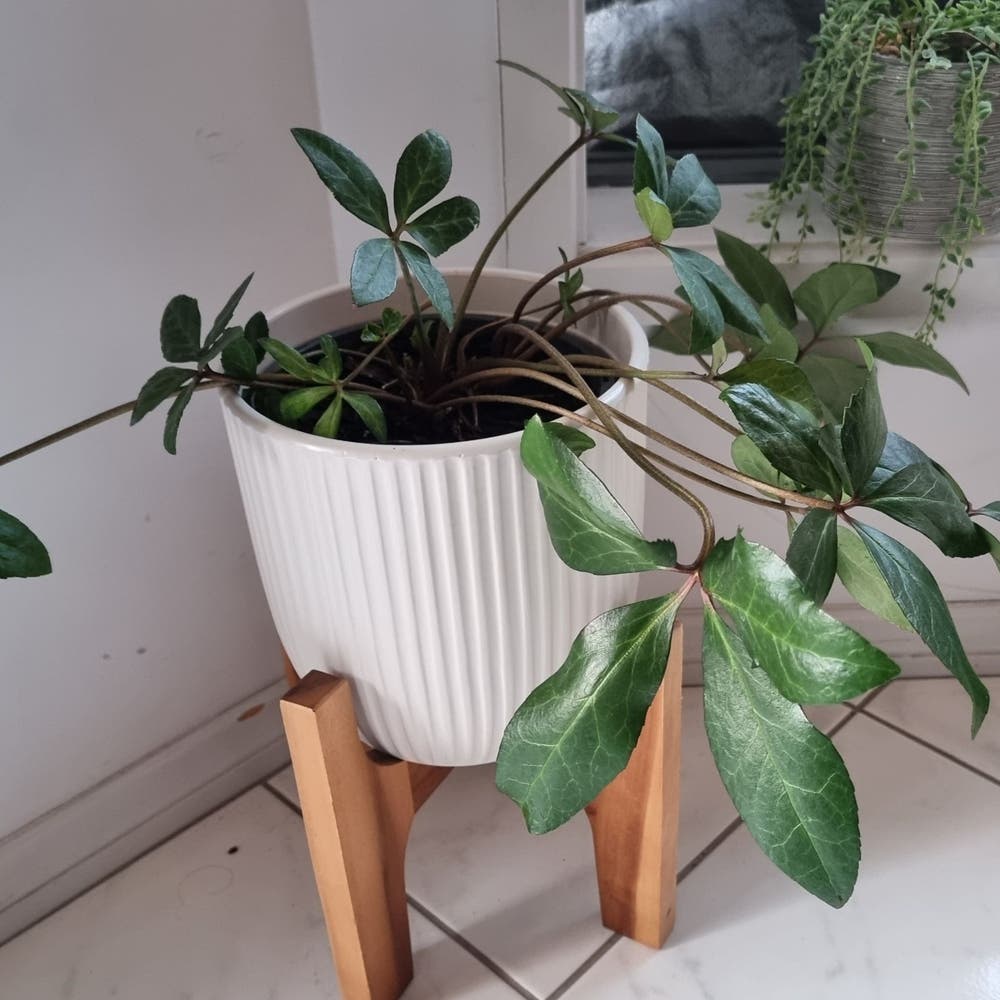
Fertilizing My Lenten Rose
Helleborus orientalis
By the Greg Editorial Team
Jun 18, 2024•4 min read
This article was created with the help of AI so we can cover more plants for you. May contain errors. See one? Report it here.
Nurture a stunning Lenten Rose display 🌹 with our tailored fertilization guide—bloom brilliance guaranteed!
- 🌱 NPK ratio matters for foliage, blooms, and overall health.
- Fertilize in early spring and late autumn for best results.
- Recognize over-fertilization to prevent damage and aid recovery.
Picking the Right Fertilizer for Your Lenten Rose
💡 Organic vs. Synthetic: Which Way to Go?
In the fertilizer face-off, organic options are the tortoises to synthetic hares. Organic fertilizers work slowly, enriching soil and fostering a gradual nutrient release. They're the eco-friendly choice, boosting your Lenten Rose's health without the environmental guilt trip. On the flip side, synthetic fertilizers offer a rapid nutrient hit, perfect for gardeners looking for quick results. But beware, they can lead to nutrient build-up and may require more frequent application.
🍽️ Understanding NPK Ratios
The NPK ratio on your fertilizer package isn't just a random string of numbers; it's the key to your Lenten Rose's happiness. Nitrogen (N) promotes lush foliage, Phosphorus (P) is all about those blooms, and Potassium (K) keeps the plant's overall functions in check. For a flowering plant like the Lenten Rose, a balanced mix or one with a higher P value can be particularly effective.
🌱 Micronutrients Matter Too
While NPK grabs the headlines, micronutrients are the unsung heroes. They're like the spices in a dish—not the main ingredient but critical for the perfect flavor. Your Lenten Rose craves these tiny titbits for optimal health. Look for a fertilizer that includes a mix of micronutrients to ensure your plant doesn't miss out on any essential elements.

Timing is Everything: When to Fertilize
🌱 Spring into Action: Early Season Feeding
Early spring fertilization is like hitting the ground running for your Lenten Rose. As the plant shakes off winter dormancy, it's hungry for nutrients to kickstart leaf and bud development. Apply a balanced, slow-release fertilizer as new growth appears, setting the stage for robust blooms.
🍂 The Autumn Encore: Preparing for Dormancy
Contrary to what you might think, a late autumn feed can prep your Lenten Rose for a stellar performance next season. It's about giving the plant a nutrient boost before it hunkers down for winter. Ease off about a month before the first frost to avoid encouraging new growth that the cold will only damage.

Fertilizing Step by Step
💡 Measuring Up: How Much to Use
Getting the quantity right when fertilizing your Lenten Rose is like hitting the bullseye – it requires precision. Overdo it, and you risk fertilizer burn; too little, and your blooms may be underwhelming. Follow the package instructions to a tee, adjusting for the size of your plant. If your green thumb is twitching with doubt, err on the side of caution and use less.
💡 Application Techniques
When applying fertilizer, think of yourself as a gourmet chef – evenly distribute the nutrients. For granular types, ensure it's worked into the top inch of soil. Liquid fertilizers should be mixed with water and applied directly to the soil, not the leaves. This prevents nutrient runoff and makes sure your Lenten Rose gets a full meal, not just a snack.
💡 The Watering Follow-Up
After feeding your Lenten Rose, water is your best friend. It's the carrier pigeon that delivers nutrients to the roots. Water thoroughly post-fertilization to help with absorption and to prevent those dreaded crispy roots. Remember, the goal is to quench the plant's thirst, not drown it – so keep the watering just right.

Recognizing and Fixing Over-Fertilization
🚩 Spotting the Telltale Signs
When your Lenten Rose sends out an SOS, it's time to decode the distress signals. Yellow or brown leaves are the plant's way of waving a red flag. If the soil's damp but the leaves droop like they've given up, that's a classic cry for help. A white, crusty layer on the soil surface? That's the plant's equivalent of a white flag—too much fertilizer. And if the roots look like they've been through a blender, it's time to act.
The Recovery Plan
Caught in a fertilizer fiasco? First, stop the fertilizer—full stop. Next, remove any visible fertilizer from the soil surface. Then, it's time for a flush. Drench the soil with water to wash away the excess nutrients; think of it as a detox for your plant's roots. Repeat this every few days until your Lenten Rose stops looking like it's on a bender.
If the damage is more than superficial, trim off the damaged leaves. For potted plants, consider a fresh start in new, nutrient-free soil. Hold off on the fertilizer for a few weeks, let your plant recover at its own pace. Remember, when it comes to fertilizer, less is often more. Keep a close eye on your plant and adjust your approach based on its response. Your Lenten Rose will thank you with a return to its former glory.
⚠️ Safety First
This content is for general information and may contain errors, omissions, or outdated details. It is not medical, veterinary advice, or an endorsement of therapeutic claims.
Always consult a qualified healthcare professional before using any plant as food, medicine, or supplement.
Never eat any plant (or feed one to pets) without confirming its identity with at least two trusted sources.
If you suspect poisoning, call Poison Control (800) 222-1222, the Pet Poison Helpline (800) 213-6680, or your local emergency service immediately.
Spotted an error? Please report it here.
Nurture your Lenten Rose to flourishing beauty 🌱 with Greg's tailored fertilizing reminders and expert tips, ensuring you hit the perfect NPK balance from this guide!