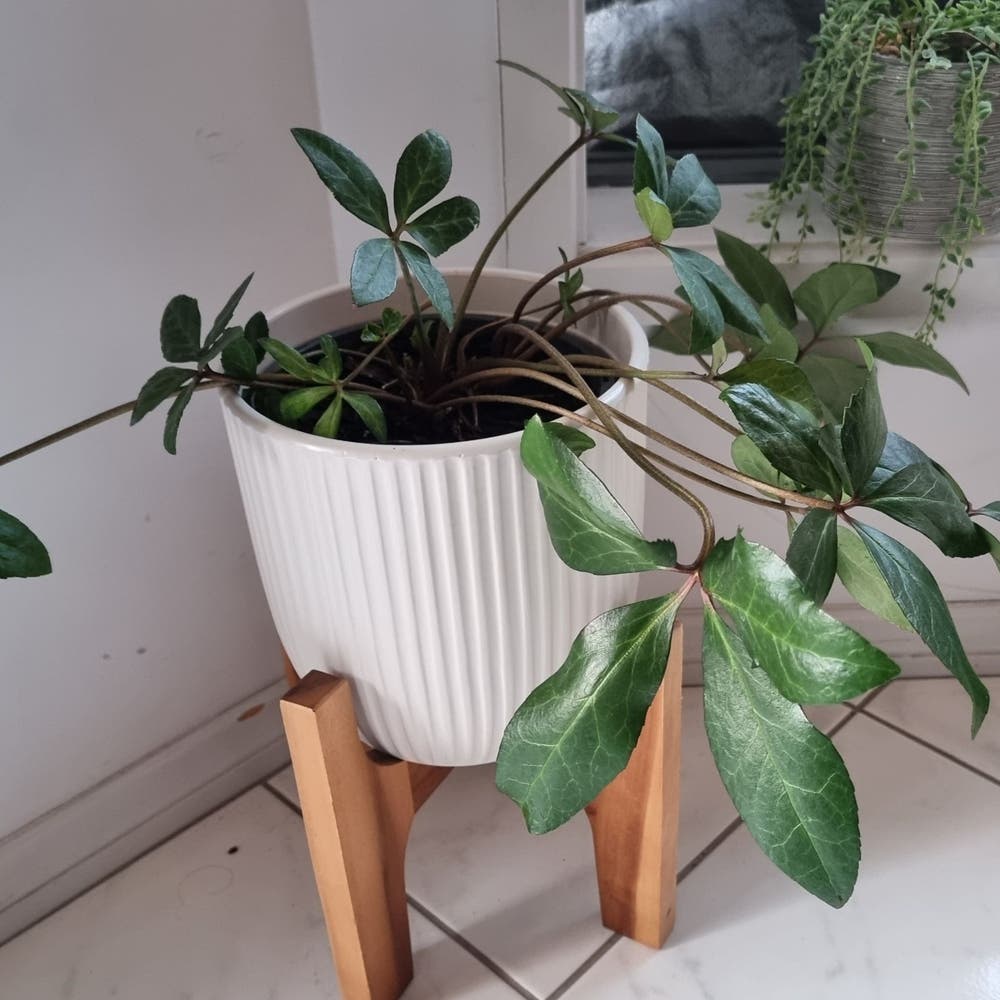
How to Propagate Your Lenten Rose
Helleborus orientalis
By the Greg Editorial Team
Jun 18, 2024•4 min read
This article was created with the help of AI so we can cover more plants for you. May contain errors. See one? Report it here.
Propagate your Lenten Roses 🌹 effortlessly and watch your garden thrive with these fail-proof techniques!
- Spring or fall division avoids disrupting bloom and ensures success.
- Patience with seeds: Germination can take weeks to months.
- Root cuttings need a moist, airy medium and a humid environment.
Dividing to Multiply: The Division Method
⏰ When to Divide Your Lenten Rose
Spring or fall, take your pick. These are your golden windows for Lenten Rose division. In spring, just as new growth peeks out, or in autumn, when the plant's energy is retreating back to its roots, you're in the clear. Timing is everything—avoid the blooming period to spare your plant the drama.
🛠️ Step-by-Step Division Guide
🚿 Pre-Division Prep
Water well a day before; it's like prepping for surgery. Ensure the new home for your divisions is ready to go—think of it as setting up a nursery.
💃 The Division Dance
- Dig up your Lenten Rose, being generous with the soil around the roots to avoid damage.
- Shake off excess dirt gently to reveal the root structure.
- Identify natural divisions or clumps; these are your starting points.
- Separate with a clean, sharp tool. Aim for sections with at least 2-3 growth points.
- Replant promptly, tucking them into their new spots with care and watering them in.
🌱 After the Split: Caring for Divided Plants
Monitor closely—newly divided Lenten Roses are like toddlers, needing extra attention. Keep the soil consistently moist and ward off direct sun until they establish. Patience is key; expect a season or two before they're back to their full glory.

From Tiny Seeds to Blooming Beauties: Seed Propagation
🌱 Harvesting Seeds with Finesse
Harvesting Lenten Rose seeds is not a grab-and-go affair. Timing is crucial; wait until the seed pods have dried on the plant. Gently collect the seeds to avoid damaging the delicate embryos inside.
🌱 Sowing Secrets for Success
Sow your Lenten Rose seeds in a well-draining seed-starting mix. Consistent moisture and warmth are your seeds' best friends at this stage. Cover lightly with soil, as they need darkness to germinate.
🌱 The Waiting Game: Germination to Growth
Patience is a virtue, especially in the world of Lenten Roses. Germination can take several weeks, or even months. Keep the faith—your vigil will be rewarded with sprouts that will grow into the charming Lenten Roses you adore.

Rooting for Success: Root Cuttings
🌱 Preparing for the Cut: Selecting and Taking Root Cuttings
Root cuttings are like the secret agents of propagation—silent but effective. Choose healthy roots from a vigorous Lenten Rose plant; these are usually the size of a pencil in thickness. Clean cuts are crucial, so sharpen those pruners or knives to surgical precision.
🌿 Creating the Perfect Environment for Root Cuttings
Roots are not divas, but they do demand a specific environment to strut their stuff. Use a rooting medium that's the botanical equivalent of a comfy bed—airy, yet moisture-retentive. Think perlite, vermiculite, or a mix thereof. Humidity is your ally; aim for that tropical rainforest vibe without the downpour. A simple plastic cover can create this mini ecosystem.
Temperature matters. Warm feet equal happy roots, so consider a heat mat if your propagation area feels like a refrigerator. And light? Soft and gentle, like a cloudy day, to coax those roots out without a harsh glare.
Remember, roots are shy at first; they need time to acclimate. Don't rush to transplant them into the big, wide world of your garden. Give them a snug pot to call home until they're ready to face the elements.

Navigating Propagation Pitfalls
🌱 Common Hurdles in Lenten Rose Propagation
Propagation is no cakewalk, and Lenten Roses have their quirks. One major hurdle is root rot, a soggy disaster often due to overwatering. It's the equivalent of giving your plants an unwanted bath. Translucent leaves or a base that's too squishy? That's your red flag.
🛠 Overcoming Obstacles: Practical Solutions
When root rot gatecrashes your propagation party, it's time to play plant surgeon. Cut away the mush, repot in fresh soil, and water with a more conservative hand. Lighting can be another stumbling block. Too dim and your Lenten Roses sulk; too bright and they might throw a fit. Find that sweet spot where they can bask without baking.
Pests? They love a good Lenten Rose feast. Keep aphids and spider mites at bay with a spritz of insecticidal soap or a dab of neem oil. Remember, vigilance is your best ally—regular check-ups can prevent a full-blown infestation.
Lastly, don't forget the waiting game. Patience is a virtue, especially since Lenten Roses take their sweet time to bloom from seed. If you're more of the instant gratification type, division might be your go-to. Keep those divided plants cozy and monitored; they need time to settle into their new homes.
⚠️ Safety First
This content is for general information and may contain errors, omissions, or outdated details. It is not medical, veterinary advice, or an endorsement of therapeutic claims.
Always consult a qualified healthcare professional before using any plant as food, medicine, or supplement.
Never eat any plant (or feed one to pets) without confirming its identity with at least two trusted sources.
If you suspect poisoning, call Poison Control (800) 222-1222, the Pet Poison Helpline (800) 213-6680, or your local emergency service immediately.
Spotted an error? Please report it here.
Ensure your Lenten Rose cuttings thrive 🌿 with Greg's precise watering reminders tailored to your plant's needs from propagation to maturity.